
Outdoor Boots: Your Complete Guide to Hiking, Trekking & Trail Footwear
Whether you're scaling rocky summits, navigating muddy trails, or simply enjoying a weekend walk in the woods, the right pair of outdoor boots transforms your experience. This comprehensive guide covers everything you need to know before buying your next pair.
Find Your Perfect PairTypes of Outdoor Boots: Finding Your Match
Not all outdoor boots are created equal. The right choice depends on your activity, terrain, and load. Here's a breakdown of the main categories:
Hiking Boots
The classic choice for day hikes and light backpacking. Hiking boots offer a balance of ankle support, durability, and weight. They typically feature a mid-cut design, aggressive tread, and moderate waterproofing. Ideal for maintained trails and moderate terrain. For dedicated trail footwear with enhanced grip, explore our guide to hiking boots and shoes.
Trekking Boots
Built for multi-day adventures and heavier loads. Trekking boots are stiffer, more supportive, and often taller than hiking boots. They excel on rugged, unpredictable terrain where ankle stability is critical. Expect premium materials, advanced waterproof membranes, and robust construction. Pair them with waterproof trekking footwear for the ultimate protection.
Trail Running Shoes
Lightweight and agile, trail runners are designed for speed on well-groomed paths. They offer less ankle support but superior breathability and ground feel. Best for fast-paced day hikes and runners transitioning to off-road terrain. Not ideal for heavy packs or technical scrambles.
Mountaineering Boots
Extreme conditions demand extreme footwear. Mountaineering boots are rigid, insulated, and compatible with crampons. They're designed for snow, ice, and high-altitude alpine environments. These are specialist tools—not for casual trails. For more rugged options, consider climbing boots built for vertical challenges.
Backpacking Boots
When you're carrying 30+ pounds, every step counts. Backpacking boots prioritize stability, cushioning, and durability over weight. They feature stiffer shanks, deeper lugs, and reinforced ankle support. Look for models with Goodyear welt construction for resoleable longevity.
Approach Shoes
A hybrid between hiking boots and climbing shoes. Approach shoes feature sticky rubber soles for scrambling and edging, combined with the comfort of a hiking shoe. Perfect for approaches to rock climbing routes and via ferrata. For durable walking options, see our guide to durable walking boots.
Key Features to Evaluate Before Buying
Understanding these core features will help you cut through marketing hype and focus on what actually matters for your adventures.
Waterproofing & Breathability
Waterproof membranes like Gore-Tex and eVent keep water out while allowing sweat vapor to escape. For wet climates, waterproofing is essential. For dry, hot environments, breathability may matter more. Learn how to maintain waterproofing in our waterproofing guide.
Ankle Support & Height
Higher cut boots provide more ankle support—crucial for rough terrain and heavy loads. Low-cut shoes offer freedom of movement. Mid-cut boots are the versatile middle ground. Consider your terrain and pack weight when deciding.
Sole & Traction
The outsole compound and lug pattern determine grip. Vibram soles are the gold standard for traction. Deep, aggressive lugs excel in mud and loose dirt; sticky rubber compounds perform better on rock. For work environments requiring slip resistance, see our guide to non-slip footwear.
Materials & Durability
Full-grain leather offers unmatched durability and water resistance but requires break-in. Synthetic materials are lighter and dry faster. Nubuck and suede offer a balance. For long-lasting construction, look for Goodyear welted boots that can be resoled.
Weight & Comfort
Every ounce counts on the trail. Lighter boots reduce fatigue but may sacrifice support. Heavier boots offer stability for big loads. Prioritize comfort—blisters and hot spots will ruin any hike. Consider arch support inserts for customized comfort.
Toe Protection
A rubber toe cap protects against rocks and roots. For technical terrain, toe protection is non-negotiable. Some boots feature steel toe or composite toe for added safety in work environments.
Outdoor Boots Comparison: Which Type Is Right for You?
Use this table to quickly compare the main categories of outdoor footwear based on the features that matter most.
| Boot Type | Best For | Ankle Support | Weight | Waterproofing | Typical Price Range |
|---|---|---|---|---|---|
| Hiking Boots | Day hikes, light backpacking | Moderate | Moderate | Good | $120–$250 |
| Trekking Boots | Multi-day treks, heavy loads | High | Heavier | Excellent | $200–$400 |
| Trail Running Shoes | Fast day hikes, running | Low | Light | Moderate | $100–$180 |
| Mountaineering Boots | Alpine, snow, ice | Very High | Heavy | Extreme | $350–$800+ |
| Backpacking Boots | Heavy packs, rugged trails | High | Heavy | Excellent | $180–$350 |
| Approach Shoes | Scrambling, via ferrata | Low–Moderate | Light–Moderate | Moderate | $130–$220 |
Pros & Cons of Different Outdoor Boot Materials
✓ Leather Outdoor Boots
- Exceptional durability and abrasion resistance
- Naturally water-resistant (especially full-grain)
- Molds to your foot over time for custom fit
- Resoleable with proper construction
- Classic, timeless appearance
✗ Leather Outdoor Boots
- Requires break-in period
- Heavier than synthetic alternatives
- Needs regular maintenance and conditioning
- Less breathable in hot weather
- Higher initial cost
✓ Synthetic Outdoor Boots
- Lightweight and fast-drying
- Minimal break-in required
- Excellent breathability
- Lower initial cost
- Easy to clean
✗ Synthetic Outdoor Boots
- Less durable than leather
- May not hold shape as well over time
- Limited resoleability
- Less natural water resistance
- Can develop odors faster
Recommended Outdoor Boots
⚠️ AFFILIATE DISCLOSURE: This website contains affiliate links. As an affiliate Associate, we earn from qualifying purchases. If you make a purchase through these links, we may receive a small commission at no additional cost to you. Read our full affiliate policy.

Dunlop Protective Footwear, Chesapeake plain toe Black Amazon, 100% Waterproof PVC, Lightweight and Durable, 8677577.11, Size 11 US
Check price on Amazon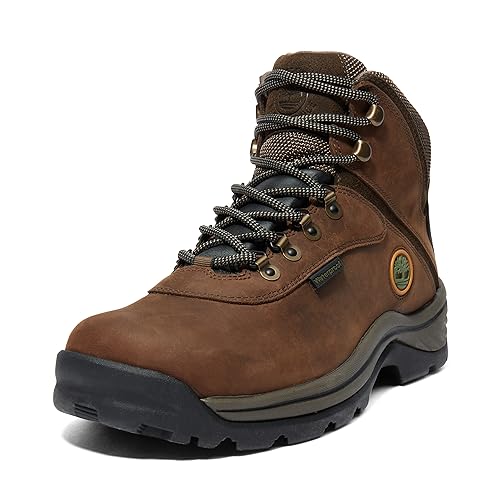
Timberland Men's White Ledge Mid Waterproof Hiking Boot, Brown-NEW 2024, 11 Medium
Check price on Amazon
CKWLXQY Men's Deck Boots, Waterproof Non-Slip Ankle Rain Boots for Fishing | Waterproof rubber ankle boots with non-slip traction for fishing, gardening, farming, boating and wet outdoor work.
Check price on Amazon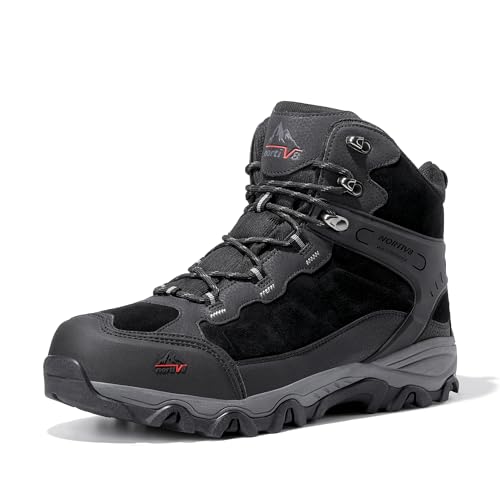
NORTIV 8 Men's Waterproof Lightweight Hiking Boots,Black,13W | Mid Top Suede Hiking Boots for Outdoor Trekking, Camping and Mountaineering Paladin
Check price on Amazon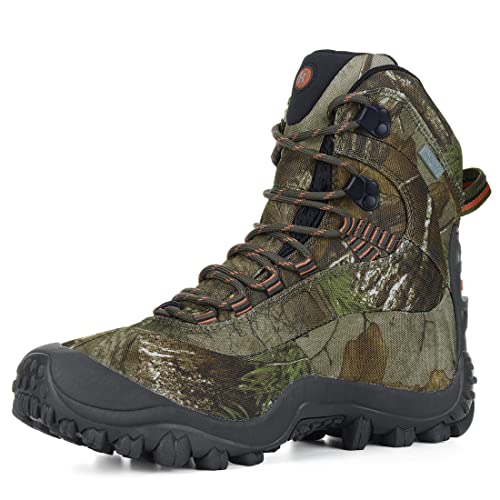
XPETI Men’s Thermator Mid-Rise Waterproof Hiking Boot Insulated Non-Slip camouflage 10.5
Check price on Amazon
NORTIV 8 Men's Ankle High Waterproof Hiking Boots,Brown/Black/Tan,10 | Outdoor Lightweight Hiking Boots for Camping, Trekking and Mountaineering Armadillo
Check price on Amazon
Kricely Mens Winter Boots Waterproof Snow Boots Insulated Hiking Shoes | Non-Slip Outdoor Duck Boots with Warm Fur for Cold Weather Activities Walking the Dog Shoveling Snow(Camouflage Brown 7.5)
Check price on Amazon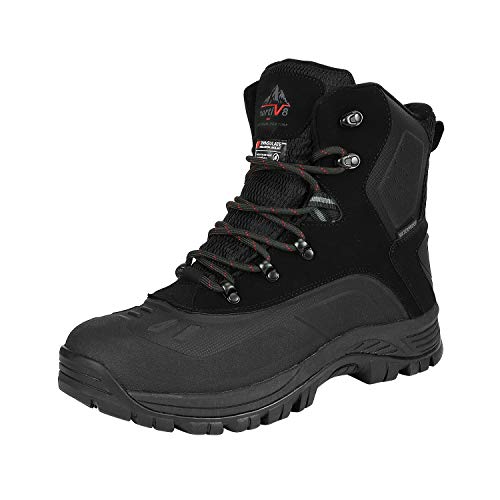
NORTIV 8 Men's Waterproof Hiking Winter Snow Boots,Black/1,9 | Insulated Construction Hunting Ski Work Boots TUNDRA
Check price on AmazonHow to Choose the Right Fit for Outdoor Boots
A perfect fit is the difference between a memorable adventure and a painful one. Follow these guidelines:
- Measure your feet: Use our fit and measurement guide to get accurate sizing. Feet swell during activity—size up if you're between sizes.
- Wear proper socks: Use boot socks made from merino wool or synthetic blends. Avoid cotton, which retains moisture and causes blisters.
- Test at the end of the day: Feet swell throughout the day. Try boots in the afternoon for the most accurate fit.
- Check toe room: You should have about a thumb's width between your longest toe and the front of the boot. This prevents toe bang on descents.
- Walk on inclines: Test how the boot feels on a slope. Your heel shouldn't slide forward excessively, and your toes shouldn't jam into the front.
- Consider custom insoles: Add arch support or heel cushions for personalized comfort and support.
Breaking In Your Outdoor Boots
New boots—especially leather ones—need a break-in period. Rushing this process leads to blisters and discomfort. Here's how to do it right:
- Start short: Wear them for 30–60 minutes around the house or on short walks for the first few days.
- Gradually increase: Slowly extend wear time and distance over 1–2 weeks.
- Use conditioner: For leather boots, apply a quality leather conditioner to soften the material and aid the break-in process. See our leather cleaning guide for tips.
- Wear them on easy trails first: Don't attempt a major trek in brand-new boots. Build up to it.
- Address hot spots immediately: If you feel a hot spot forming, stop and apply blister prevention tape or moleskin. Learn more in our blister prevention guide.
Caring for Your Outdoor Boots
Proper care extends the life of your boots and maintains their performance. Follow these essential maintenance practices:
- Clean after every use: Remove dirt and mud with a soft brush and lukewarm water. For leather, use appropriate leather cleaning products.
- Dry properly: Air dry at room temperature, away from direct heat. Use a boot dryer for faster, safer drying.
- Re-waterproof regularly: Apply waterproofing treatments as needed, especially before extended trips. See our waterproofing guide.
- Store correctly: Use boot storage covers or stuff boots with newspaper to maintain shape. Store in a cool, dry place.
- Repair promptly: Address sole separation, stitching issues, or zipper problems before they worsen. Learn about sole replacement options.
- Use a boot jack: A boot remover or boot jack prevents damage to the heel counter when removing boots.
Frequently Asked Questions About Outdoor Boots
It depends on your environment. If you hike in wet climates, traverse streams, or encounter snow, waterproof boots are absolutely worth it. They keep your feet dry, which prevents blisters and hypothermia. However, waterproof membranes reduce breathability, so in hot, dry conditions, non-waterproof boots may be more comfortable. For most three-season hikers, a waterproof boot is the safer, more versatile choice. Learn more in our waterproofing guide.
With proper care, quality leather outdoor boots can last 5–10 years or more, especially if they're resoleable. Synthetic boots typically last 2–4 years of regular use. Factors like frequency of use, terrain, maintenance, and storage all affect longevity. Investing in well-constructed boots with Goodyear welt construction ensures you can resole them rather than replace them.
Generally, size up. Your feet swell during activity, and you'll likely wear thicker socks. You want about a thumb's width of space between your longest toe and the front of the boot. This prevents toe bang on descents. Always try boots with the socks you plan to wear. Use our fit and measurement guide for detailed instructions.
It depends on your work environment. Hiking boots offer good traction and support but may lack the specific safety features required in industrial settings. For work environments requiring toe protection, look for durable work boots with steel or composite toes. For slip resistance, see our guide to non-slip footwear.
Hiking boots are designed for day hikes and light loads on maintained trails. Trekking boots are stiffer, taller, and more supportive, designed for multi-day treks with heavier packs on rugged terrain. Trekking boots typically offer better ankle support, more durable construction, and enhanced waterproofing. For dedicated trekking footwear, explore our waterproof trekking guide.
Prevention starts with proper fit and gradual break-in. Always wear moisture-wicking boot socks, never cotton. Use blister prevention techniques like moleskin or tape on known hot spots. Keep feet dry, and stop immediately if you feel rubbing. Learn more in our break-in guide.
Ready to Hit the Trail?
Now that you understand the key features, types, and fit considerations for outdoor boots, you're equipped to make an informed decision. Browse our recommended selection above and find the perfect pair for your next adventure.
Shop Outdoor BootsRelated Topics & Further Reading
Expand your knowledge with these related guides and resources:
- Climbing Boots — Specialized footwear for vertical adventures
- Hiking Boots & Shoes — Dedicated trail footwear guide
- Durable Walking Boots — Long-lasting options for everyday walks
- Ladies Trekking Boots — Women-specific trekking footwear
- Waterproof Trekking Shoes — Stay dry on wet trails
- Men's Steel Toe Shoes — Protective footwear for work and trails
- Boot Socks — Essential for blister-free comfort
- Arch Support Guide — Customize your comfort
- Boot Break-In Guide — Prepare new boots for adventure
- Blister Prevention — Keep your feet happy on the trail