
Durable Work Boots: The Ultimate Buying Guide
When your livelihood depends on your footwear, durability isn't a luxury—it's a necessity. Discover how to choose work boots that protect, perform, and last.
Key Takeaways
- Prioritize Safety Standards: Look for ASTM ratings for toe protection, puncture resistance, and electrical hazard safety.
- Material Matters: Full-grain leather and Goodyear welt construction offer unmatched durability and repairability.
- Fit is Function: A proper fit prevents blisters, improves stability, and extends the life of your boots.
- Maintenance Extends Life: Regular cleaning and conditioning can double the lifespan of durable work boots.
- Match Boot to Job: Construction, electrical work, and warehouse environments each demand specific features.
Why Durable Work Boots Are a Non-Negotiable Investment
If you spend 40, 50, or even 60 hours a week on your feet, your work boots are more than just footwear—they're essential safety equipment. The Bureau of Labor Statistics reports that foot injuries account for a significant portion of workplace accidents, many of which could have been prevented with proper safety footwear. Durable work boots are engineered to withstand the toughest conditions while protecting your most valuable assets: your feet, ankles, and knees.
But here's the challenge: the market is flooded with options claiming to be "heavy-duty" or "industrial-grade." How do you separate genuine durability from clever marketing? This guide will walk you through every critical factor—from materials and construction methods to safety certifications and fit—so you can make an informed decision and invest in boots that will serve you reliably for years.
Materials That Define Durability
The lifespan of your work boots begins with the materials used in their construction. Not all leather is created equal, and the difference between a boot that lasts six months and one that lasts six years often comes down to what's on the outside—and what's holding it together.
Full-Grain Leather: The Gold Standard
Full-grain leather is the most durable material for work boots. Unlike corrected-grain or split leather, full-grain retains the hide's natural fibers, making it incredibly resistant to abrasion, moisture, and tearing. Boots made from full-grain leather develop a patina over time and can be conditioned to remain supple for years. If you're serious about durability, this is the material to prioritize.
Nubuck and Suede: A Word of Caution
While nubuck and suede offer a softer feel and a distinct aesthetic, they are generally less durable than full-grain leather in harsh work environments. They require more frequent care and are more susceptible to water damage and staining. For light-duty work or dry environments, they can be suitable, but for heavy industrial use, full-grain is the safer bet.
Sole Materials: Where the Rubber Meets the Road
The outsole is your first line of defense against slips, punctures, and wear. Look for soles made from:
- Vibram or Similar High-Density Rubber: Known for excellent traction and abrasion resistance.
- Polyurethane (PU): Lightweight and shock-absorbing, ideal for concrete surfaces.
- Thermoplastic Polyurethane (TPU): Offers a balance of flexibility and durability.
- Nitrile Rubber: Best for environments with oils and chemicals.
For those who need extra grip on uneven terrain, consider the sole technology found in durable walking boots, which often share similar design principles.
Construction Methods: The Hidden Architecture of Durability
How a boot is put together is just as important as what it's made of. The construction method determines not only durability but also comfort, waterproofing, and repairability.
Goodyear Welt: The Benchmark for Repairability
A Goodyear welt construction involves stitching the upper to the sole through a welt, creating a highly durable and water-resistant bond. The biggest advantage? When the sole wears out, it can be replaced by a cobbler, dramatically extending the boot's life. For workers who want a lifelong investment, Goodyear welt is the gold standard.
Cement Construction: Lightweight but Limited
Cement construction uses adhesive to bond the upper to the sole. While this method is lighter and more affordable, it's generally not repairable. Once the sole wears through, the boot is done. This can be acceptable for light-duty work, but for heavy-duty applications, it's a compromise on longevity.
Stitchdown and Norwegian Welt: Extra Security
Stitchdown construction involves stitching the upper outward to the sole, creating a very strong and water-resistant bond. The Norwegian welt is a variation that adds an extra layer of stitching and a storm welt for superior water resistance. These methods are common in high-end hiking and mountaineering boots and are excellent for wet environments.
Essential Safety Features to Look For
Durability without safety is incomplete. Depending on your work environment, your boots may need to meet specific safety standards. Here are the key features to consider:
Toe Protection: Steel vs. Composite
If you work in construction, manufacturing, or any environment with heavy falling objects, toe protection is mandatory. The two main options are:
- Steel Toe: Traditional, highly protective, and affordable. However, steel conducts cold and can be heavy. You can explore options like steel boots and men's steel toe shoes.
- Composite Toe: Made from materials like Kevlar, carbon fiber, or plastic. Lighter than steel, non-conductive, and don't get as cold. Learn more about composite toe options.
Both types must meet ASTM F2413 standards for impact and compression resistance.
Puncture Resistance
If you work in environments with nails, screws, or sharp debris, a puncture-resistant plate is essential. This plate is built into the sole and protects the bottom of your foot from penetration.
Electrical Hazard (EH) Protection
For electricians and those working near live circuits, EH-rated boots are designed to provide secondary protection against electrical shock. They have non-conductive soles and heels.
Slip Resistance
Slips, trips, and falls are among the most common workplace accidents. Look for boots with slip-resistant outsoles, especially if you work in kitchens, oil rigs, or wet environments. For added safety on slick surfaces, consider features found in non-slip sneakers for work.
Metatarsal Guards
For extreme protection, some boots come with metatarsal guards that protect the top of the foot. These are common in heavy construction and foundry work.
The Importance of Fit and Comfort
A durable boot is only as good as its fit. An ill-fitting boot can cause blisters, hot spots, and even long-term foot problems. Here's how to get it right:
Measure Your Feet
Your feet can change size over time, so measure them before buying. Use a Brannock device at a shoe store, or trace your foot at home and measure the length and width. For a detailed guide, check out our fit and measurement guide.
Consider Your Socks
Always try on boots with the socks you'll wear on the job. Thick wool socks can add up to a half-size to your fit. If you need help choosing, see our boot socks guide.
Break Them In Properly
Even the best boots need a break-in period. Wear them for short periods at first, gradually increasing the time. Our break-in guide has detailed tips.
Add Arch Support if Needed
Many work boots come with basic insoles. If you have high arches or plantar fasciitis, consider upgrading to a supportive insole. Our arch support guide can help.
Maintenance: How to Make Durable Boots Last Even Longer
Even the most durable work boots will deteriorate without proper care. A little maintenance goes a long way:
Clean Regularly
Remove dirt, mud, and chemicals promptly. For leather, use a damp cloth and a gentle leather cleaner. For more detailed instructions, see our leather cleaning guide.
Condition Leather
Leather needs moisture to stay supple. Apply a quality leather conditioner every few months, or more often if your boots get wet frequently. This prevents cracking and extends the life of the leather.
Waterproofing
Apply a waterproofing spray or wax to maintain water resistance. This is especially important if you work outdoors. Our waterproofing guide has step-by-step instructions.
Rotate Your Boots
If possible, alternate between two pairs of boots. This gives each pair time to dry out completely, reducing moisture-related damage and odor.
Repair Promptly
Don't ignore small issues like a loose stitch or a worn heel. Addressing them early can prevent more significant damage. Learn about heel repair and stitching repair.
Use Boot Trees or Covers
Storing your boots with boot trees or in boot storage covers helps them maintain their shape and protects them from dust and moisture.
How to Choose the Right Durable Work Boots for Your Job
Different jobs require different features. Here's a quick breakdown:
- Construction: Steel or composite toe, puncture resistance, slip resistance, and good ankle support. Look for hiking boot-style work boots for better mobility.
- Electrical Work: EH-rated boots, non-conductive soles, and no exposed metal. Consider safety footwear specifically designed for electrical hazards.
- Warehouse/Logistics: Lightweight, comfortable, and slip-resistant. Composite toe is often preferred for its lighter weight.
- Welding: Metatarsal guards, heat-resistant soles, and quick-release closures. Men's steel toe shoes with met guards are a good starting point.
- Outdoor/Agriculture: Waterproof, puncture-resistant, and with deep treads for traction. Farm boots are designed for these conditions.
- Hiking/Field Work: Lightweight, breathable, and with good ankle support. Durable walking boots or waterproof trekking shoes might be more appropriate.
Common Mistakes to Avoid When Buying Durable Work Boots
- Buying for Style Over Substance: Fashion boots are not work boots. Prioritize function and safety.
- Ignoring Safety Certifications: Not all boots meet ASTM standards. Always check the label.
- Choosing the Wrong Size: A boot that's too small will cause pain; one that's too large will cause instability.
- Neglecting Maintenance: Even the most durable boots will fail without proper care.
- Not Breaking Them In: Wearing new boots for a full shift immediately can lead to blisters and discomfort.
- Overlooking Weight: Heavy boots can cause fatigue. Consider lighter materials if you're on your feet all day.
Top-Rated Durable Work Boots
⚠️ AFFILIATE DISCLOSURE: This website contains affiliate links. As an affiliate Associate, we earn from qualifying purchases. If you make a purchase through these links, we may receive a small commission at no additional cost to you. Read our full affiliate policy.

Timberland PRO Men's Pit Boss 6 Inch Steel Safety Toe Industrial Work Boot, Brown-2024 New, 10.5
Check price on Amazon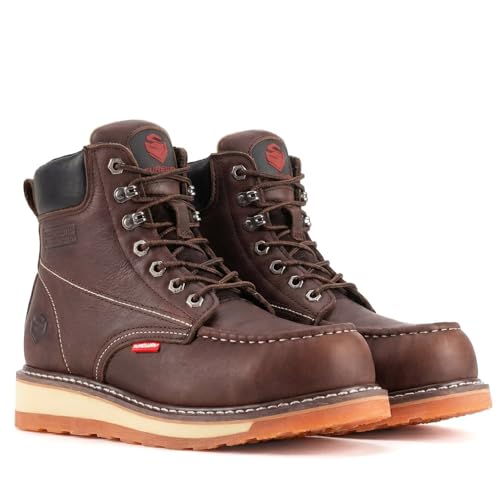
SUREWAY 6” Mens Heavy Duty Steel/Composite/Soft Toe Work Boots for Men,Goodyear Welt,Extremely Comfortable Durable Proved,Superior Oil/Slip Resistant,Thicker Leather,Wedge Sole,Moc Toe Work
Check price on Amazon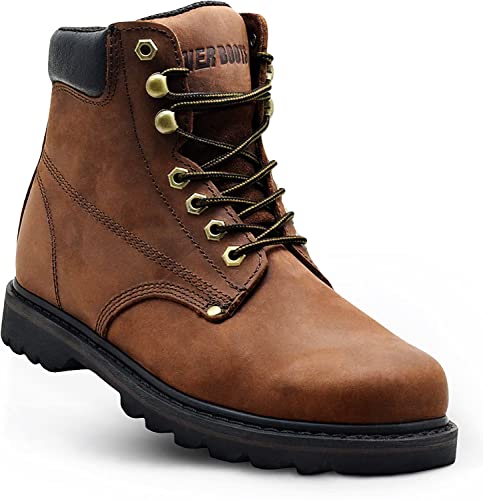
EVER BOOTS Tank Men's Soft Toe Oil Full Grain Leather Work Boots Construction Rubber Sole (10.5 D(M), Darkbrown)
Check price on Amazon
NORTIV 8 Men's Ankle High Waterproof Hiking Boots,Brown/Black/Tan,12W | Outdoor Lightweight Hiking Boots for Camping, Trekking and Mountaineering Armadillo
Check price on Amazon
NORTIV 8 Men's Military Tactical Boot Zipper Lightweight,Black,10 | Comfortable for Work All Day Motorcycle Combat Hiking Boots Metrostrike(8-9 Inches)
Check price on Amazon
Skechers Men's Respected Boswell Boot - Cdb - 10.5 Medium
Check price on Amazon
Waterproof Steel Toe Boots For Men Safty Work Shoes,Black,Size 9 | Mens 6 Inch Comfortable Construction Work Boots With Lightweight Non Slip Resistant Puncture Outsole For Industrial Sites
Check price on Amazon
Wolverine Men'sOverpass 6" Mid Composite Toe Waterproof Work Boot, Summer Brown, 12 Medium
Check price on AmazonFinal Thoughts: Investing in Your Safety and Comfort
Durable work boots are more than a purchase—they're an investment in your safety, comfort, and productivity. By understanding materials, construction methods, safety features, and proper fit, you can choose boots that will protect you for years. Remember to maintain them regularly, and don't hesitate to invest in a quality pair. Your feet will thank you.
Ready to explore more? Check out our buying guides for additional insights, or browse our boot shop for curated recommendations.