
Arch Support Guide: Best Boots for Foot Health & Comfort
Discover how the right arch support can transform your boot-wearing experience. Learn to identify your arch type, choose supportive footwear, and find relief from foot pain.
START YOUR JOURNEYWhy Arch Support Matters: Your feet are the foundation of your body, and your arches play a critical role in shock absorption, balance, and overall alignment. When you wear boots without proper arch support, you risk developing or aggravating conditions like plantar fasciitis, flat feet, and even knee or back pain.
This comprehensive guide will walk you through everything you need to know about arch support in boots. Whether you have flat feet, high arches, or are simply looking for all-day comfort, we'll help you understand your options and make an informed decision. For a broader look at foot health, explore our Foot Health & Comfort hub.
Understanding Your Arch Type
Before you can choose the right boots, you need to know what kind of arches you have. There are three main types, and each requires a different approach to arch support.
1. Normal (Neutral) Arches
If you have a normal arch, your footprint shows a moderate curve along the inner edge. Your feet are generally well-aligned, and you can wear a wide variety of boots. However, you still benefit from moderate arch support to maintain proper alignment during long periods of standing or walking.
2. Flat Feet (Pes Planus)
Flat feet occur when the arch collapses, causing the entire sole to touch the ground. This can lead to overpronation—where the foot rolls inward excessively. People with flat feet often experience fatigue, shin splints, and knee pain. If this sounds like you, our guide to orthopedic boots can provide additional insights.
3. High Arches (Pes Cavus)
High arches create a very pronounced curve in your footprint. This means your weight is concentrated on the heel and ball of your foot, which can lead to instability, ankle sprains, and metatarsalgia (pain in the ball of the foot). Proper cushioning and arch support are essential for high arches.
💡 How to Determine Your Arch Type at Home
The Wet Test: Wet the bottom of your foot and step onto a piece of cardboard or a dark surface. Look at the imprint:
• Normal Arch: You see about half of your arch.
• Flat Foot: You see almost your entire foot.
• High Arch: You see only a thin line or the heel and ball of your foot.
The Science of Arch Support in Boots
Arch support in boots is not just about a bump in the insole. It's a system of features working together to support your foot's natural structure and biomechanics.
Key Components of Arch Support
- Contoured Insole: A footbed shaped to match the natural curve of your arch. Many boots come with removable insoles, allowing you to replace them with custom orthotics.
- Shank: A rigid piece (often made of steel, fiberglass, or nylon) embedded in the sole to provide torsional stability and support the arch. For a deeper dive into boot construction, see our Boot Feature Glossary.
- Midsole Density: Firmer midsoles provide more stability, while softer midsoles offer more cushioning. The right balance depends on your arch type and activity level.
- Heel Cup: A deep, supportive heel cup helps stabilize the heel and prevent excessive pronation or supination.
- Arch Support Inserts: Additional inserts like heel cushions or full-length orthotics can be added to enhance support.
For boots designed specifically to address these concerns, explore our guides on plantar fasciitis boots and diabetic footwear.
Best Boots for Different Arch Types
Choosing the right boot for your arch type is crucial. Here's a breakdown of what to look for:
| Arch Type | What to Look For | Recommended Boot Styles |
|---|---|---|
| Normal Arches | Moderate arch support, good cushioning, neutral stability. Most boots will work well. | Hiking boots, Chelsea boots, leather boots |
| Flat Feet | Firm arch support, motion control features, deep heel cup, removable insole for custom orthotics. | Work boots, tactical boots, orthopedic boots |
| High Arches | Plush cushioning, flexible forefoot, moderate arch support, shock-absorbing soles. | Hiking boots, snow boots, memory foam boots |
For those who need extra cushioning and shock absorption, explore our guide to shock-absorbing boots. If breathability is a priority, consider breathable boots.
Key Features to Prioritize in Arch Support Boots
When shopping for boots with excellent arch support, keep these features in mind:
1. Removable Insoles
Boots with removable insoles allow you to replace them with custom orthotics or specialized inserts. This is a game-changer for anyone with specific foot health needs. If you already have orthotics, look for boots with a deep, roomy footbed.
2. Firm Heel Counter
A firm heel counter (the back part of the boot) helps stabilize your heel and prevent excessive motion. This is especially important for flat feet and overpronation.
3. Adequate Toe Box
A roomy toe box prevents compression and allows your toes to spread naturally. This is crucial for conditions like bunions and hammertoes. For more on foot health, visit our Comfort & Wellness section.
4. Cushioning and Shock Absorption
Look for boots with EVA foam, gel inserts, or memory foam in the midsole. These materials absorb impact and reduce stress on your joints. See our guide to memory foam boots for more details.
5. Proper Fit
Even the best arch support won't help if your boots don't fit properly. Make sure to measure your feet and try on boots at the end of the day when your feet are at their largest. Our Fit & Measurement Guide can help.
Common Foot Conditions and How Arch Support Helps
Plantar Fasciitis
This condition involves inflammation of the plantar fascia—the thick band of tissue that runs along the bottom of your foot. Proper arch support reduces strain on this tissue and can significantly alleviate pain. For dedicated recommendations, see our plantar fasciitis boots guide.
Flat Feet (Pes Planus)
Flat feet can cause overpronation, leading to pain in the feet, ankles, knees, and even hips. Boots with firm arch support and motion control features can help correct this. Explore orthopedic boots for more options.
High Arches (Pes Cavus)
High arches are less common but can cause just as much discomfort. The key is cushioning and shock absorption, as high arches don't absorb impact well. Look for boots with plush insoles and flexible soles.
Diabetic Foot Concerns
People with diabetes need footwear that protects against pressure points and provides ample cushioning. Our diabetic footwear guide covers this in detail.
Posture and Alignment
Your feet affect your entire posture. Poor arch support can lead to misalignment in your knees, hips, and spine. If you're concerned about posture, check out our posture-friendly boots recommendations.
Tips for Buying Arch Support Boots
1. Shop at the End of the Day: Your feet swell throughout the day, so try on boots in the afternoon or evening for the most accurate fit.
2. Bring Your Orthotics: If you wear custom orthotics, bring them with you when trying on boots to ensure they fit properly.
3. Test the Arch Support: Press your thumb into the arch area of the insole. It should feel firm but not rock-hard. Too soft means inadequate support; too hard means discomfort.
4. Walk Around: Don't just stand—walk around the store. Pay attention to how your heel feels, whether your toes have room, and if the arch support aligns with your foot's natural curve.
5. Consider Break-In Time: Some boots, especially leather ones, need time to break in. Check our Break-In Guide for tips.
For a broader set of shopping tips, visit our Boots Shopping Tips page. And if you're on a budget, our Budget-Friendly Picks might help you find affordable options without compromising on support.
Recommended Arch Support Boots
⚠️ AFFILIATE DISCLOSURE: This website contains affiliate links. As an affiliate Associate, we earn from qualifying purchases. If you make a purchase through these links, we may receive a small commission at no additional cost to you. Read our full affiliate policy.

Dr. Scholl's Plantar Fasciitis & Achy Feet Relief Arch Support Sleeve | Unisex cushioned arch supports for plantar fasciitis relief and foot support with foam pad insert, for all-day wear, 1 Pair
Check price on Amazon
HiRui Arch Support Braces (Pair) for Plantar Fasciitis Relief - Adjustable Neoprene Arch Support Wraps with Gel Pads for Flat Feet High & Fallen Arch, Wear Over or Under Socks, Fits All Shoes (Black)
Check price on Amazon
ZAIWOO Arch Support Inserts Women for Flat Feet, Reusable, 2 Height Options | Stable Arch Support for Reduced Foot Fatigue, Secure Fit in Most Shoes, Walk in Greater Comfort, Plantar Fasciitis Relief
Check price on Amazon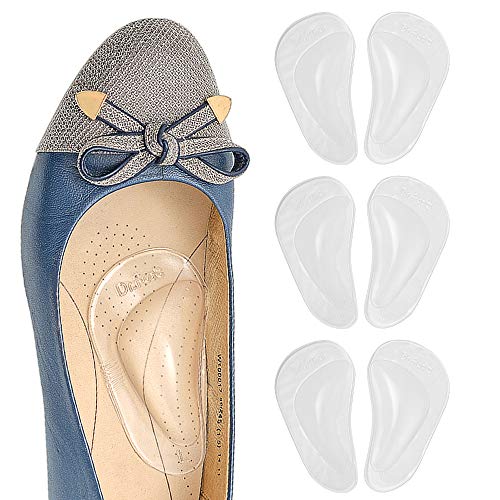
Dr. Foot's Arch Support Shoe Insoles for Flat Feet, Gel Arch Inserts for Plantar Fasciitis, Adhesive Arch Pad for Relieve Pressure and Feet Pain- 3 Pairs (Clear, 3 Count (Pack of 1))
Check price on Amazon
ZUCNANA Arch Support Inserts for Women Flat Feet Plantar Fasciitis 6 Pairs | Soft Gel Arch Support Insoles for Foot Pain Relief, Non Slip Arch Pads, Reusable Shoe Inserts, One Size Fits Any
Check price on Amazon
DR. POTTER+ Arch Support Inserts Women, Arch Support Sleeves for Men, Black | Plantar Fasciitis Relief, Arch Support for Flat Feet, High Arch, Feet Pain Relief , Two Height Options, Walking in Comfort
Check price on Amazon
Fit Geno Invisible Arch Support Brace for Plantar Fasciitis – Skin Tone, Non-Slip Arch Support Sleeve with Gel Pad, Comfortable All-Day Wear in Shoes for Flat Feet & Fallen Arches, 1 Pair
Check price on Amazon
Gel Arch Support, 3 Pairs Shoe Insoles for Flat Feet, Reusable Arch Inserts for Plantar Fasciitis, Adhesive Arch Pad for Relieve Pressure and Foot Pain(Beige)
Check price on AmazonFrequently Asked Questions About Arch Support
Can I add arch support to any boot?
Yes, in many cases you can. If the boot has a removable insole, you can replace it with an arch support insole or orthotic. If the insole is not removable, you can still add a thin arch support insert on top, but make sure it doesn't make the boot too tight. For the best results, choose boots with removable insoles.
How do I know if I need arch support?
Common signs include foot pain after standing or walking, fatigue in your feet and legs, pain in your arches, heel pain (especially in the morning), and uneven wear on your shoe soles. If you experience any of these, arch support may help. For persistent pain, consult a podiatrist.
Are expensive boots always better for arch support?
Not necessarily. While higher-priced boots often use better materials and construction, there are affordable options with excellent arch support. The key is to look for the features mentioned in this guide—removable insoles, firm heel counters, and adequate cushioning. Our Best Value Guide can help you find great options at various price points.
How often should I replace my arch support insoles?
It depends on usage, but generally every 6 to 12 months for regular wear. If you notice the support breaking down, the insole becoming compressed, or your foot pain returning, it's time for a replacement. For custom orthotics, follow your podiatrist's recommendations.
Can arch support boots help with knee and back pain?
Yes, they can. Proper arch support improves your foot alignment, which in turn affects your ankle, knee, hip, and spine alignment. Many people find that addressing their foot support reduces or eliminates knee and lower back pain. Explore our posture-friendly boots for more information.
Ready to Find Your Perfect Pair?
Now that you understand arch support, it's time to put that knowledge into action. Browse our recommended boots above or explore our other guides to make the best choice for your feet.
SHOP RECOMMENDED BOOTS