
Boot Waterproofing Guide: Protect Your Investment
Learn how to waterproof leather, suede, and nubuck boots. Discover the best sprays, waxes, and treatments to keep your feet dry in any condition.
SHOP WATERPROOF BOOTSWhy Waterproofing Matters: Water is the enemy of leather and fabric. Without proper protection, moisture leads to cracked leather, weakened stitching, and cold, uncomfortable feet. Whether you're hiking through dew-covered trails or navigating city slush, a quality waterproofing routine extends the life of your boots by years.
Understanding Boot Waterproofing: Breathability vs. Water Resistance
Before you apply any product, it's crucial to understand what waterproofing actually does. There's a common misconception that waterproofing completely seals a boot. In reality, most treatments create a hydrophobic barrier that repels water while still allowing some breathability. This distinction matters because completely sealing a boot can trap sweat inside, leading to clammy feet and accelerated breakdown of the lining.
There are three levels of water protection you should know:
- Water-Repellent: The boot resists light rain and splashes but will eventually soak through in sustained wet conditions. Most factory treatments fall into this category.
- Waterproof: The boot has a membrane (like Gore-Tex) or a seamless construction that prevents water from entering, even in heavy rain. This is common in hiking boots and work boots.
- Waterproof + Breathable: The gold standard. These boots use advanced membranes that block water from the outside while allowing moisture vapor from sweat to escape. This is essential for active use.
Your choice of waterproofing product depends on your boot's material. Leather requires conditioners and waxes, while suede and nubuck need specialized sprays that don't mat the nap. Synthetic materials often respond best to silicone-based sprays. Understanding your boot's material is the first step—our boot styles overview can help you identify what you own.
How to Waterproof Different Boot Materials
Not all boots are created equal, and neither are their care requirements. Applying the wrong product can ruin the finish or ruin the breathability. Here's a breakdown by material:
Leather Boots
Leather is naturally water-resistant to some degree, but it needs regular conditioning to maintain its suppleness and barrier. For smooth leather, use a wax-based waterproofing product or a dedicated leather conditioner. Apply in thin layers and buff after drying. For leather boots, avoid silicone-based sprays as they can clog pores and dry out the leather over time. Instead, look for beeswax or lanolin-based products.
Recommended products: Sno-Seal, Obenauf's LP, or Montana Pitch-Blend. These are available at most outdoor retailers and range from $10–$25.
Suede and Nubuck Boots
Suede and nubuck have a napped surface that is highly susceptible to water stains. Never use wax or oil on these materials—it will mat the nap and darken the color permanently. Instead, use a fluoropolymer-based spray specifically designed for suede. Apply in a well-ventilated area, holding the can 6–8 inches away, and let it dry for 24 hours. For suede boots and nubuck boots, reapply every few weeks with regular wear.
Recommended products: Kiwi Suede Protector, Tarrago Nano Protector, or Collonil Carbon Pro. Expect to pay $12–$20 per can.
Synthetic and Fabric Boots
Synthetic boots, including many tactical boots and hiking boots, often come with a factory DWR (Durable Water Repellent) finish. This wears off over time. To restore it, use a spray-on DWR product like Nikwax Tech Wash followed by Nikwax TX.Direct. These are safe for Gore-Tex and other membranes. Avoid using heat to dry synthetic boots, as it can damage adhesives.
Recommended products: Nikwax TX.Direct Spray-On, Granger's Performance Repel. Prices range from $10–$18.
Step-by-Step: How to Waterproof Your Boots
Follow this routine every few months, or before any extended exposure to wet conditions. The process takes about 30 minutes of active work, plus drying time.
- Clean Your Boots First: Dirt and mud prevent waterproofing products from bonding. Use a soft brush and warm water to remove debris. For leather, use a dedicated leather cleaning product. For suede, use a suede cleaning brush. Let them dry completely at room temperature—never use a radiator or direct sunlight.
- Check for Damage: Inspect seams, stitching, and the sole. If you find cracks or gaps, waterproofing alone won't help. You may need stitching repair or sole replacement first.
- Apply the Product: Follow the manufacturer's instructions. For sprays, hold 6–8 inches away and apply in a well-ventilated area. For waxes, use a cloth or your fingers (with gloves) to work a thin layer into the leather. Pay extra attention to seams and the tongue area.
- Let It Dry: Most products need 12–24 hours to cure. Do not wear the boots during this time. If you're using a wax, you may need to buff off excess after it dries.
- Reapply Regularly: Waterproofing is not a one-time task. Reapply every 2–3 months, or more often if you wear your boots daily in wet conditions. A good indicator is when water stops beading on the surface.
Waterproofing Products Compared
With so many options on the market, it helps to see how they stack up. Here's a quick comparison of the most popular product types:
| Product Type | Best For | Application | Drying Time | Price Range |
|---|---|---|---|---|
| Wax-Based | Leather Boots | Rub in with cloth | 12–24 hours | $10–$25 |
| Fluoropolymer Spray | Suede & Nubuck | Spray 6–8 inches away | 24 hours | $12–$20 |
| Silicone Spray | Synthetic & Fabric | Spray evenly | 2–4 hours | $8–$15 |
| DWR Wash-In | Technical Boots | Add to washing machine | Air dry | $10–$18 |
For most people, a combination approach works best: a wax for leather boots, a spray for suede, and a wash-in DWR for synthetic hiking boots. If you're unsure which type your boots need, check the manufacturer's care label or our boot feature glossary.
Common Waterproofing Mistakes to Avoid
Even experienced boot owners make these errors. Avoid them to get the most out of your waterproofing efforts:
- Applying to Dirty Boots: As mentioned, dirt prevents proper bonding. Always clean first.
- Using the Wrong Product: Wax on suede is a disaster. Silicone on leather can dry it out. Match the product to the material.
- Over-Applying: More is not better. A thick layer of wax can attract dirt and reduce breathability. Thin, even coats are key.
- Skipping the Seams: Water enters through seams. Pay extra attention to stitching and the tongue area.
- Drying with Heat: Heat cracks leather and damages adhesives. Always air dry at room temperature.
- Forgetting Maintenance: One application lasts weeks, not years. Set a reminder to reapply every few months.
If your boots are already wet, don't try to waterproof them until they're completely dry. For tips on drying, see our guide to boot dryers and proper drying techniques.
When Waterproofing Isn't Enough: Signs You Need New Boots
Waterproofing can extend the life of your boots, but it can't fix structural damage. Here are signs it's time to invest in a new pair:
- Cracks in the Leather: Deep cracks mean the leather is beyond conditioning. Water will seep through.
- Separating Soles: If the sole is detaching, waterproofing won't help. You might need sole replacement or a new pair.
- Failed Membrane: If your Gore-Tex boot starts leaking despite proper care, the membrane is likely punctured or worn out.
- Persistent Dampness: If your feet feel wet even after waterproofing, the lining may be compromised.
If you're in the market for new boots, our boot purchase guides and first boot checklist can help you make an informed decision. For those on a budget, budget-friendly picks exist that still offer decent water resistance. And if you're looking for the best of the best, explore luxury boots or premium boot guides.
Frequently Asked Questions About Boot Waterproofing
For daily wear, reapply every 2–3 months. If you wear them in wet conditions frequently, reapply monthly. A good rule of thumb: when water stops beading on the surface, it's time to reapply.
No. Sprays are generally safe for suede, nubuck, and synthetic materials, but leather benefits more from wax or conditioner. Always check the product label and your boot's care instructions.
It can, if you over-apply. A thin, even coat of a quality product will repel water while still allowing some vapor to escape. Thick layers of wax can significantly reduce breathability.
No. Waterproofing products need to bond with dry material. Applying to wet boots will trap moisture inside and prevent proper adhesion. Always let boots dry completely first.
Water-resistant boots repel light moisture but will eventually soak through. Waterproof boots have a membrane or construction that prevents water from entering entirely, even in heavy rain. For more, see our waterproof boots guide.
Best Waterproofing Products & Waterproof Boots
⚠️ AFFILIATE DISCLOSURE: This website contains affiliate links. As an affiliate Associate, we earn from qualifying purchases. If you make a purchase through these links, we may receive a small commission at no additional cost to you. Read our full affiliate policy.

STAR BRITE Waterproofing - PFAS Free Spray & Stain Protection | Waterproofer, UV Protection, for Boat Covers, Car Covers, Bimini Tops, Tents, Jackets, Backpacks, and outdoor gear.
Check price on Amazon
STAR BRITE Waterproofing - PFAS Free Spray & Stain Protection | Waterproofer, UV Protection, for Boat Covers, Car Covers, Bimini Tops, Tents, Jackets, Backpacks, and outdoor gear.
Check price on Amazon
Nikwax Hardshell Cleaning & Waterproofing Duo-Pack, 300ml | Hardshell DUO-Pack
Check price on Amazon
Nikwax TX.Direct Spray-On Waterproofing, 300ml | TX Direct Spray-On
Check price on Amazon
Scotchgard Outdoor Water Shield Spray, 10.5 oz, 2 Pack | Repels Water; Ideal for Outerwear, Tents, Backpacks; Compatible with Canvas, Polyester, and Nylon
Check price on Amazon
Nikwax TX.Direct Spray-On Waterproofing, 500ml | TX Direct Spray-On
Check price on Amazon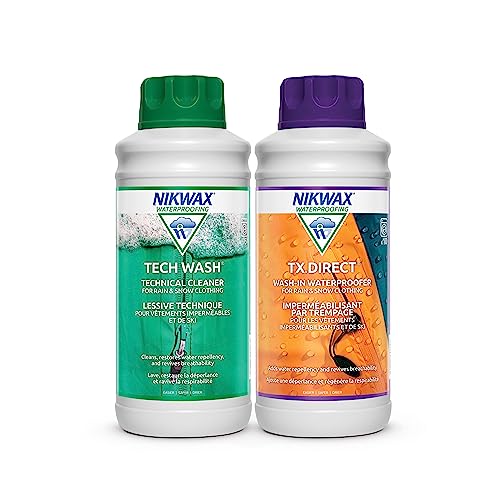
Nikwax Hardshell Cleaning & Waterproofing Duo-Pack, 1000ml, Cleans and Restores Water Repellency on Jackets, Rain, Ski, and Snow Gear, Outerwear, Safe for Gore-Tex and DWR
Check price on Amazon
Transparent Waterproof Coating, TUFINEIN 35 Oz Invisible Waterproof Agent Indoor & Outdoor Sealant Water-Based Clear Sealant Roofs, Walls, Garden, Terraces
Check price on AmazonFinal Thoughts: Invest in Protection, Reap the Rewards
Waterproofing your boots is one of the simplest yet most impactful maintenance tasks you can do. It protects your investment, keeps your feet dry, and ensures your boots last for years. Whether you're wearing work boots on a job site, hiking boots on a muddy trail, or leather boots around the city, a few minutes of care every few months pays dividends.
Remember: clean first, choose the right product for your material, apply thin coats, and let them dry properly. If you're looking for new boots that come with waterproofing built-in, explore our waterproof boots category. And for everything else—from boot socks to boot maintenance—BootsPedia has you covered.