
Plantar Fasciitis Boots: The Complete Guide to Supportive Footwear
Find relief from heel pain with boots engineered for arch support, heel cushioning, and all-day comfort. Your definitive guide to choosing footwear that works with your feet, not against them.
SEE TOP PICKSLiving with plantar fasciitis doesn't mean giving up on boots. The right pair can actually reduce pain, support your arch, and keep you comfortable from morning to night. This guide walks you through everything you need to know about choosing boots for plantar fasciitis — from key features and materials to fit tips and expert recommendations.
What Is Plantar Fasciitis and Why Does Footwear Matter?
Understanding the condition is the first step toward choosing the right boots.
Plantar fasciitis is one of the most common causes of heel pain, affecting approximately 2 million people in the United States each year. The condition occurs when the plantar fascia — a thick band of tissue running along the bottom of your foot from heel to toes — becomes inflamed or irritated. The hallmark symptom is a sharp, stabbing pain in the heel, particularly with your first steps in the morning or after prolonged sitting.
While overuse, obesity, and certain biomechanical factors contribute to plantar fasciitis, improper footwear is one of the most significant and controllable risk factors. Shoes and boots with inadequate arch support, thin soles, or excessive flexibility force the plantar fascia to overstretch with every step. Over time, this repetitive strain leads to micro-tears and inflammation.
The good news? The right plantar fasciitis boots can dramatically reduce symptoms by supporting the arch, cushioning the heel, and limiting excessive foot motion. Combined with proper stretching and rest, supportive footwear is a cornerstone of effective plantar fasciitis management.
Key Features to Look for in Plantar Fasciitis Boots
Not all boots are created equal. These features make the difference between relief and regret.
Firm Arch Support
The single most important feature. Look for boots with a contoured arch that matches your foot's natural curve. A firm (not hard) arch support prevents the plantar fascia from overstretching during weight-bearing activities. Removable insoles are a plus — they let you swap in custom orthotics if needed.
Cushioned Heel Cup
A deep, well-cushioned heel cup absorbs shock and stabilizes the heel bone. This reduces the tension on the plantar fascia attachment point. Look for boots with gel, memory foam, or EVA foam heel inserts that don't compress flat after a few wears.
Shock-Absorbing Midsole
The midsole is your first line of defense against ground impact. Boots with polyurethane (PU) or dual-density EVA midsoles provide superior shock absorption compared to basic rubber or PVC soles. This is especially important if you walk or stand on hard surfaces all day.
Roomy Toe Box
A toe box that's too narrow compresses the forefoot and alters your gait, which can worsen plantar fasciitis. Choose boots with a wide, rounded toe box that allows your toes to splay naturally. This also prevents blisters and bunions from developing.
Low Heel-to-Toe Drop
Boots with a moderate heel (1–2 inches) and a relatively flat profile reduce strain on the Achilles tendon and plantar fascia. Avoid extremely flat boots (like ballet flats) and very high heels, both of which alter your biomechanics unfavorably.
Stable Heel Counter
A firm heel counter (the back part of the boot) keeps your heel from sliding side-to-side. Excessive motion here forces the plantar fascia to work harder. Squeeze the heel counter — it should feel firm and structured, not flimsy.
Removable Insole
Many people with plantar fasciitis benefit from custom orthotics or over-the-counter inserts like Superfeet or Powerstep. Boots with removable insoles let you use your preferred orthotic without compromising fit. If the boot's stock insole is glued in, it's a red flag.
Lightweight Construction
Heavy boots tire your legs and alter your gait, which can aggravate plantar fasciitis. Modern materials like EVA, polyurethane, and composite toe caps keep boots lightweight without sacrificing protection or support.
Best Boot Types for Plantar Fasciitis
Different boots serve different purposes. Here's how the major categories stack up for plantar fasciitis sufferers.
| Boot Type | Arch Support | Cushioning | Best For | Typical Price |
|---|---|---|---|---|
| Work Boots | Excellent | Good | Industrial, construction, warehouse | $120–$280 |
| Hiking Boots | Excellent | Excellent | Trails, uneven terrain, long walks | $140–$320 |
| Orthopedic Boots | Superior | Superior | Medical-grade support, daily wear | $150–$350 |
| Chelsea Boots | Moderate | Moderate | Casual, smart-casual outfits | $100–$250 |
| Combat Boots | Good | Good | Streetwear, light outdoor use | $90–$200 |
| Ankle Boots | Varies | Varies | Fashion, everyday wear | $80–$300 |
Work boots and hiking boots generally offer the best combination of arch support, cushioning, and stability for plantar fasciitis. They're engineered for people who spend long hours on their feet, which aligns perfectly with the needs of plantar fasciitis sufferers.
Orthopedic boots take support a step further with medical-grade components, often designed in consultation with podiatrists. If your condition is moderate to severe, these are worth the investment. For lighter support during casual wear, comfort-focused footwear like well-cushioned Chelsea boots or supportive ankle boots can work well.
Best Materials for Plantar Fasciitis Boots
The material affects everything from breathability to long-term support.
- Full-grain leather — The gold standard for durability and support. It molds to your foot over time, providing a custom-like fit. Leather also resists stretching out of shape, which maintains arch support longer. Explore our leather boots guide for more details.
- Nubuck — Similar support to full-grain leather with a softer, velvety finish. Slightly more breathable but requires more care. See our nubuck boots section for maintenance tips.
- Suede — Softer and more flexible than leather, which can be a downside for severe plantar fasciitis. Best for mild cases or casual wear. Learn about suede boots and how to protect them.
- Synthetic mesh — Lightweight and breathable, often found in hiking boots. Modern synthetics can provide excellent support when paired with a rigid midsole and arch support.
- Waterproof membranes — If you need waterproof boots, look for ones with breathable membranes like Gore-Tex. Avoid cheap rubber boots that don't breathe — sweaty feet can lead to other problems.
Avoid boots made from thin, flimsy materials that offer no structure. If you can twist the boot like a towel or fold it in half easily, it won't provide the support your plantar fascia needs.
How to Get the Right Fit
Even the best boots won't help if they don't fit properly.
Proper fit is critical for plantar fasciitis sufferers. Here's how to get it right:
- Measure your feet at the end of the day — Feet swell throughout the day. Shopping in the morning can lead to boots that feel too tight by afternoon. Use our fit and measurement guide for detailed instructions.
- Size for your larger foot — Most people have one foot slightly larger than the other. Always fit the larger foot and use insoles or socks to adjust the smaller one.
- Allow a thumb's width of space — There should be about 1/2 inch (a thumb's width) between your longest toe and the front of the boot. This prevents toe crowding, especially when walking downhill.
- Test with your orthotics — If you wear custom orthotics or plan to add insoles, bring them when trying on boots. The fit will change significantly.
- Check the heel slip — Some heel slip is normal in new boots, but excessive slipping causes blisters and instability. Look for boots with a snug heel cup and adjustable lacing.
- Walk on hard surfaces — Carpet hides impact. Walk on tile or concrete to truly feel how the boot's cushioning performs.
- Consider a wide width — If you have wide feet or bunions, look for wide or extra-wide options. Brands like Keen, New Balance, and Dansko offer generous widths.
If you're breaking in new boots, follow our break-in guide to avoid blisters and unnecessary pain. And don't forget quality boot socks — they add cushioning, wick moisture, and prevent friction.
Best Plantar Fasciitis Boots: Top Picks
⚠️ AFFILIATE DISCLOSURE: This website contains affiliate links. As an affiliate Associate, we earn from qualifying purchases. If you make a purchase through these links, we may receive a small commission at no additional cost to you. Read our full affiliate policy.
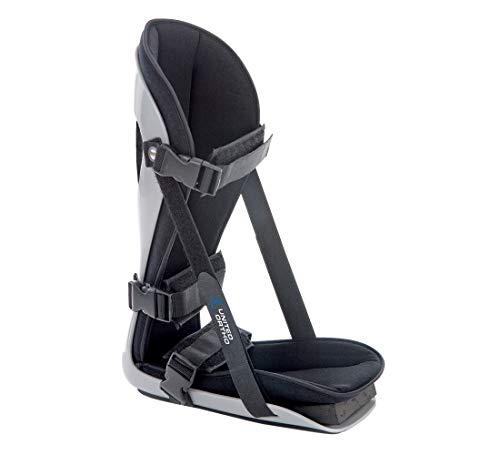
United Ortho Plantar Fasciitis Adjustable Leg Support Brace Fits Right or Left Foot for Soreness Relief, Foot Pain and Stretching, Medium, Black
Check price on Amazon
United Ortho Plantar Fasciitis Adjustable Leg Support Brace Fits Right or Left Foot for Soreness Relief, Foot Pain and Stretching, Large, Black
Check price on Amazon
ELESIK Plantar Fasciitis Night Splint, Plantar Fasciitis Brace and Support | Plantar Fasciitis Relief, Dorsal Night Splint for Plantar Fasciitis Women and Men, Planter Facetious Support, Foot Splint
Check price on Amazon
Women's Orthopedic Diabetic Wide Leather Winter Ankle Boots: Arch Support Bunions Recovery Plantar Fasciitis Orthotic Dress Shoes, Casual Driving Shopping Driving Walking Oxford Boots Black Size 8.5
Check price on Amazon
NORTIV 8 Men's Tactical Hiking Boots Lightweight Cushion,Black,10 | Side Zipper Motorcycle Combat Boots with Arch Support Sole for All Day Comfort, Outdoor Hiking Military Use 8In Terrascope
Check price on Amazon
OrthoComfoot Mens Plantar Fasciitis Shoes, Orthopedic Boots with Arch Support, Trekking Sneakers for Diabetic, Pain Relief Black Size 11
Check price on Amazon
exhood Upgraded Plantar Fasciitis Night Splint,Plantar Fasciitis Relief | Adjustable Straps,Supportive Foot Braces with Arch Cushion for Achilles Tendonitis, Heel Spur Pain Relief Day,Night (Black)
Check price on Amazon
United Ortho USA14115 Short Air Cam Walker Fracture Boot, Medium, Black
Check price on AmazonAdditional Tips for Managing Plantar Fasciitis with Boots
Small adjustments can make a big difference in your comfort and recovery.
Use Shock-Absorbing Insoles
Even supportive boots can benefit from aftermarket insoles. Look for insoles with firm arch support and heel cushioning. Our shock-absorbing boots guide covers the best options. Replace insoles every 6–12 months as they compress and lose effectiveness.
Add Heel Cushions
Silicone or gel heel cushions provide targeted relief for heel pain. They slip into most boots and cost just $10–$25. They're especially helpful during flare-ups or when breaking in new boots.
Rotate Your Boots
Don't wear the same pair every day. Rotating between two or three pairs gives each boot's cushioning time to recover and reduces wear patterns. Use boot dryers to keep them fresh and dry inside.
Stretch Before Wearing
Plantar fasciitis pain is worst after rest. Before putting on your boots in the morning, do gentle calf stretches and roll your arch on a frozen water bottle or tennis ball for 1–2 minutes.
Maintain Your Boots
Worn-out boots lose their support. Check our boot maintenance hub for cleaning and care tips. Replace boots when the midsole compresses, the tread wears unevenly, or the arch support breaks down — typically every 500–800 miles of walking.
Prevent Blisters
Blisters alter your gait and worsen foot pain. Use moisture-wicking socks, apply anti-blister balm to hot spots, and follow our blister prevention guide for a pain-free experience.
Frequently Asked Questions
Quick answers to the most common questions about plantar fasciitis boots.
The best boots for plantar fasciitis feature firm arch support, cushioned heel cups, shock-absorbing midsoles, and a roomy toe box. Work boots, hiking boots, and orthopedic boots typically offer the best support. Look for removable insoles so you can insert custom orthotics if needed.
Yes, unsupportive boots with flat soles, minimal arch support, or excessive flexibility can aggravate plantar fasciitis by straining the plantar fascia ligament. Wearing flip-flops, thin-soled shoes, or worn-out boots with collapsed arches is particularly problematic. Proper supportive boots can actually help relieve symptoms.
You may need a half-size larger to accommodate thicker insoles or orthotics. Always measure your feet later in the day when they are slightly swollen, and ensure there is a thumb's width of space between your longest toe and the boot's end. If you're adding orthotics, try the boots with the orthotics inserted before buying.
Quality plantar fasciitis boots typically range from $120 to $350. Premium orthopedic and comfort brands can cost $250+. Budget options exist, but be cautious — ultra-cheap boots often skimp on the very features (arch support, cushioning, materials) that make them effective. Investing in proper support now can save you from expensive podiatry treatments later.
Not necessarily — many supportive boots come with excellent stock insoles. However, if your boots have removable insoles and you still experience pain, upgrading to aftermarket insoles with firm arch support and heel cushioning can help. Custom orthotics from a podiatrist are the gold standard for moderate to severe cases. Explore our arch support guide for more details.
Ready to Step Into Comfort?
The right pair of plantar fasciitis boots can transform your daily life — no more wincing with every step. Use this guide to find boots that support your arch, cushion your heel, and keep you moving pain-free.
Browse Top-Rated BootsContinue Exploring
Deepen your understanding of foot health and footwear with these related guides:
- Foot Health & Comfort Hub — Your central resource for all things foot wellness.
- Arch Support Guide — Learn how arch support works and why it matters.
- Orthopedic Boots — Medical-grade footwear for serious support needs.
- Shock-Absorbing Boots — Minimize impact with every step.
- Memory Foam Boots — Plush comfort that molds to your feet.
- Heel Cushions — Targeted relief for heel pain.
- Diabetic Footwear — Specialized options for sensitive feet.
- Ergonomic Boot Guide — Design principles for healthier feet.
- Break-In Guide — How to break in new boots without pain.
- Fit & Measurement — Get the perfect fit every time.