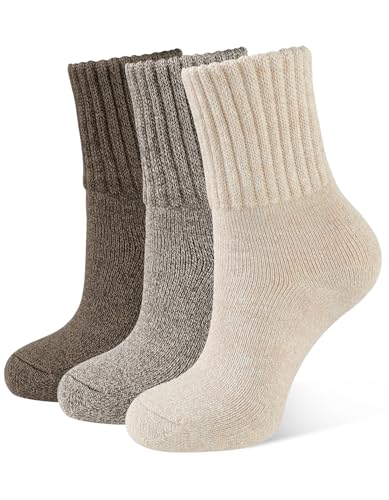
Boot Socks: The Ultimate Guide to Comfort, Cushioning & Performance
Your boots are only as good as the socks you wear with them. Discover how the right pair of boot socks can prevent blisters, manage moisture, and transform your comfort on the trail, at work, or in everyday life.
Why Boot Socks Matter More Than You Think
When you invest in a high-quality pair of boots, whether they are rugged work boots, sturdy hiking boots, or stylish leather boots, the socks you pair them with are often an afterthought. This is a critical mistake. The wrong sock can ruin the fit of even the most expensive footwear, leading to blisters, hot spots, excessive sweating, and a miserable experience. Conversely, the right boot sock acts as a crucial interface between your foot and your boot, enhancing comfort, regulating temperature, and extending the life of your footwear.
This guide will walk you through everything you need to know about boot socks. We will explore the different materials, cushioning levels, heights, and specific use cases, so you can make an informed decision and buy the perfect pair for your needs. Whether you are searching for the best socks for cold weather boots or breathable options for summer boots, we have you covered.
Understanding Boot Sock Materials
The material of your boot sock is the single most important factor determining its performance. Here is a breakdown of the most common materials and their best uses:
Merino Wool: The Gold Standard
Merino wool is widely considered the best material for boot socks, especially for outdoor activities. Unlike traditional wool, Merino is soft, non-itchy, and incredibly effective at regulating temperature. It keeps your feet warm in winter and cool in summer by wicking moisture away from your skin. It is also naturally odor-resistant and retains its insulating properties even when wet. This makes it an excellent choice for hiking boots and insulated boots. Expect to pay between $15 and $30 per pair for high-quality Merino wool socks.
Cotton: Comfortable but Problematic
Cotton socks are soft and inexpensive, but they are a poor choice for serious boot wear. Cotton absorbs sweat and holds it against your skin, which can lead to maceration (softening of the skin), blisters, and cold feet in winter. While fine for casual wear in dry conditions with ankle boots, they should be avoided for hiking, work, or any activity where moisture management is key.
Synthetics (Polyester, Nylon, Acrylic): Durable and Wicking
Synthetic socks are durable, quick-drying, and excellent at wicking moisture. They are often blended with wool or used on their own for high-intensity activities. They are a great choice for work boots and tactical boots because they hold up well to abrasion. However, they can be less odor-resistant than wool and may feel less comfortable in extreme temperatures. Prices range from $10 to $20 per pair.
Bamboo and Other Blends
Bamboo viscose is a newer eco-friendly material that is soft, breathable, and naturally antibacterial. It is often blended with other fibers to create comfortable socks for everyday wear. Blends of wool, silk, and synthetics are also common, designed to combine the best properties of each material.
Cushioning: Finding the Right Level of Support
Cushioning in boot socks is not just about softness; it is about protection and support. The level of cushioning you need depends on your activity and the fit of your boots.
Light Cushioning
Light cushioning offers minimal padding and is designed for a snug, performance-oriented fit. This is ideal for tight-fitting boots, dress boots, or for people who prefer a more direct connection with the ground. It is often a good choice for Chelsea boots or cowboy boots where a bulky sock might make the fit too tight.
Medium Cushioning
Medium cushioning is the most versatile option. It provides a good balance of comfort and protection, with padding under the heel and ball of the foot. This is an excellent all-around choice for hiking boots, work boots, and everyday wear. It helps absorb shock and reduces fatigue, making it a great option for those who are on their feet all day.
Heavy Cushioning
Heavy cushioning offers maximum padding throughout the sock, including the heel, arch, and toe. This is the best choice for extreme conditions, such as cold weather, long backpacking trips, or for people with foot conditions that require extra impact absorption. These socks are ideal for snow boots and motocross boots. If you suffer from plantar fasciitis, a heavily cushioned sock can provide significant relief.
Height and Fit: Matching Socks to Your Boots
The height of your boot sock should correspond to the height of your boots. This is not just a style choice; it is a functional one. The sock should always be taller than the top of your boot to prevent the boot's collar from rubbing against your bare skin, which can cause painful blisters and chafing.
- Ankle Socks: For ankle boots and low-cut shoes.
- Quarter Socks: For hiking boots and work boots that sit just above the ankle.
- Crew Socks: The most common height, ideal for mid-calf boots and most standard boot styles.
- Over-the-Calf Socks: Designed for knee-high boots, tall hunting boots, or military boots. They provide extra protection and warmth.
A proper fit is also crucial. Your sock should be snug but not restrictive. It should not bunch up or slide down inside your boot. A poor-fitting sock can lead to friction and blisters. For more information on getting the right fit for your footwear, see our guide on boot fit and measurement.
Choosing Socks for Specific Boot Types and Activities
For Hiking and Outdoor Adventures
For hiking, moisture management is paramount. Look for Merino wool or synthetic blends with medium to heavy cushioning. A crew height is usually best to protect your ankles from brush and the boot collar. These socks are essential for preventing blisters on long treks.
Price range for quality hiking socks: $18–$28 per pair.
For Work and Industrial Environments
When wearing steel toe boots, you need socks that are durable, moisture-wicking, and provide good cushioning to protect against impact. Synthetic blends or wool blends are excellent choices. They should be tall enough to stay up all day.
Price range for durable work socks: $12–$22 per pair.
For Winter and Cold Weather
For snow boots and insulated boots, choose thick, heavy-cushioned Merino wool socks. They will keep your feet warm even if they get slightly damp. Avoid cotton at all costs, as it will make your feet feel cold and wet. For extreme cold, consider a sock liner in addition to your main sock.
Price range for extreme cold weather socks: $20–$35 per pair.
For Everyday Casual Wear
For leather boots, Chelsea boots, or other casual styles, you have more flexibility. A light to medium cushioned sock in a cotton-synthetic blend or a lightweight Merino wool is a great choice for comfort and style. If you want to show off your socks, there are many stylish options available. For inspiration on how to pair them, check out our everyday boot looks.
Price range for casual boot socks: $8–$18 per pair.
How to Care for Your Boot Socks
To get the longest life out of your boot socks, proper care is essential. Always follow the manufacturer's instructions on the label. As a general rule:
- Turn your socks inside out before washing to reduce pilling and protect the outer surface.
- Wash in cold or lukewarm water on a gentle cycle.
- Avoid using fabric softeners, as they can coat the fibers and reduce their moisture-wicking properties.
- Tumble dry on low or hang to dry. High heat can cause wool to shrink and damage synthetic fibers.
Taking good care of your socks is just one part of a comprehensive boot care and maintenance routine. A clean, well-maintained sock contributes to a healthier foot environment, helping to control odor and prevent issues like diabetic foot complications.
Final Thoughts: The Foundation of Foot Comfort
Investing in high-quality boot socks is one of the most effective ways to improve your comfort and protect your feet. The right pair can turn a good pair of boots into a great one. By considering material, cushioning, height, and your specific activity, you can find the perfect socks to meet your needs. Remember to prioritize moisture-wicking materials like Merino wool, ensure a proper fit, and care for your socks to maximize their lifespan. For a complete look at building your ideal boot collection, don't forget to check out our boot purchase guides and our first boot checklist.
Recommended Boot Socks
⚠️ AFFILIATE DISCLOSURE: This website contains affiliate links. As an affiliate Associate, we earn from qualifying purchases. If you make a purchase through these links, we may receive a small commission at no additional cost to you. Read our full affiliate policy.

SOXCO 10 Pairs Men’s Work Socks, Black Crew Length | DRI-WIK Moisture Wicking Technology | Super Soft Cushioned Footbed | Reinforced Heel & Toe | Dura-Stretch Elastane | Pack of 10 Pairs, US 9-12
Check price on Amazon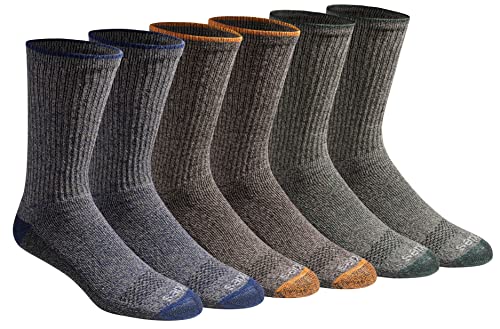
Dickies Men's Dri-Tech Original Moisture Control Crew Socks, Available in M-XXL (6, 12, 18 Pairs), Heathered Colors (6 Pairs), Large
Check price on Amazon
Wrangler Mens American Flag Everyday Western Tall Boot Socks 3 Pair Pack (as1, alpha, l, regular, regular, Khaki)
Check price on Amazon
Dickies Men's Dri-Tech Original Moisture Control Crew Socks, Available in M-XXL (6, 12, 18 Pairs), Black (6 Pairs), X-Large
Check price on Amazon
Wrangler Mens Ultra Dri Seamless Toe Western Boot Socks 3 Pair Pack (Charcoal, l)
Check price on Amazon
Alvada Merino Wool Hiking Socks Thermal Warm Crew Winter Boot Sock For Men Women 3 Pairs ML
Check price on Amazon