
Insulated Boots: The Ultimate Guide to Warmth & Comfort
Don't let cold feet ruin your winter. Learn how to choose the perfect insulated boots for work, hiking, or everyday wear. We break down insulation types, temperature ratings, and fit essentials so you can buy with confidence.
SHOP TOP INSULATED BOOTSBootsPedia Philosophy: The right pair of insulated boots is an investment in warmth, safety, and comfort. This guide is designed to help you understand the technology and make an informed decision before you buy.
Top-Rated Insulated Boots for Winter
⚠️ AFFILIATE DISCLOSURE: This website contains affiliate links. As an affiliate Associate, we earn from qualifying purchases. If you make a purchase through these links, we may receive a small commission at no additional cost to you. Read our full affiliate policy.

Muck Arctic Pro Tall Rubber Insulated Extreme Conditions Men's Hunting Boots
Check price on Amazon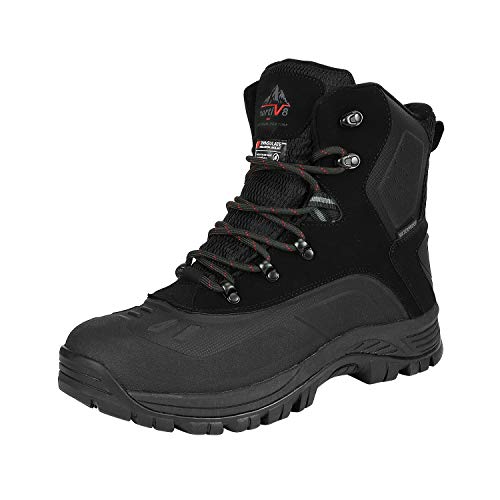
NORTIV 8 Men's Waterproof Hiking Winter Snow Boots,Black/1,12 | Insulated Construction Hunting Ski Work Boots TUNDRA
Check price on Amazon
NORTIV 8 Men's Waterproof Winter Snow Boots Insulated,Black,11 | Fur Liner Lightweight Outdoor Tall Boots QUEBEC-M
Check price on Amazon
Hunthor 800g Insulated Hunting Boots for Men, Waterproof Rubber Boots | Shock-Absorbing EVA Midsole, 6mm Neoprene, Steel Shank & Anti-Slip Outsole for Cold Weather Hunting, Next Camo, Size 11
Check price on Amazon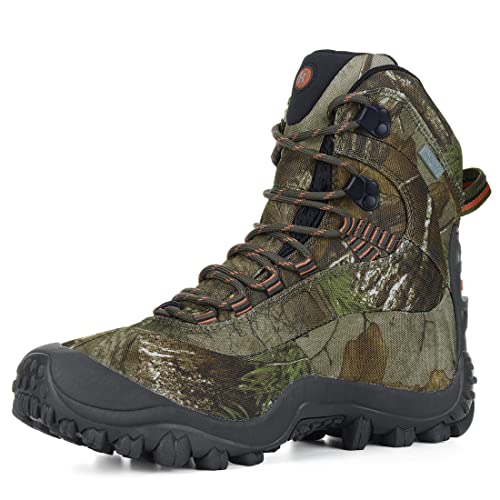
XPETI Men’s Thermator Mid-Rise Waterproof Hiking Boot Insulated Non-Slip camouflage 9.5
Check price on Amazon
Carhartt Men's CMC1259 10" Waterproof Insulated Comp Toe Pac Boot,Brown/Black,8 M US
Check price on Amazon
MUCK Woody Max Rubber Insulated Men's Hunting Boots
Check price on Amazon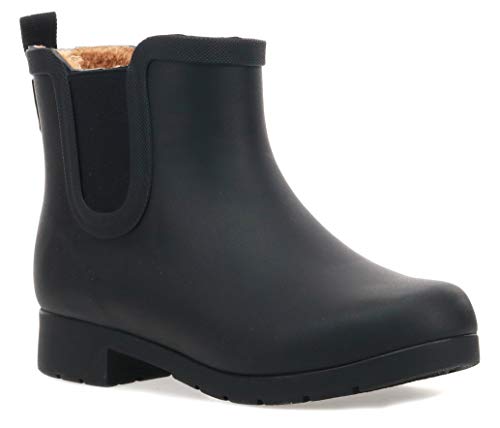
Chooka Women's Waterproof Plush Chelsea Bootie Chelsea Boot, Delridge Black, 10 M
Check price on AmazonUnderstanding Insulation: Types & Ratings
Before you buy, it's crucial to understand what keeps your feet warm. Insulation works by trapping air to create a barrier against the cold. The two main types are synthetic and natural, each with unique benefits. If you're looking for a broader overview of boot construction, our boot styles overview is a great starting point.
Synthetic Insulation (Thinsulate, PrimaLoft)
These materials are lightweight, water-resistant, and retain warmth even when damp. They are measured in grams (e.g., 200g, 400g, 800g). Higher grams mean more warmth but also more bulk. Ideal for active use where moisture management is key. For extreme wet conditions, pairing them with waterproof boots is a smart choice.
Natural Insulation (Sheepskin, Wool, Felt)
Natural materials like shearling or felted wool offer excellent breathability and odor resistance. They are exceptionally warm but can be heavier and lose insulation value if they get wet. They are a classic choice for snow boots and casual winter wear.
Temperature Ratings
Ratings like "-20°F" are a guide, not a guarantee. They assume moderate activity and proper sock choice. For sedentary work, you may need a higher rating. For high-output activities like winter hiking, a lower rating might prevent overheating. Always consider your activity level and pair with appropriate boot socks.
Key Features for Winter Performance
Beyond insulation, other features play a vital role in keeping you safe and comfortable. A boot that excels in one area may fail in another if these are overlooked.
Waterproofing & Breathability
Wet feet get cold quickly. Look for membranes like Gore-Tex or proprietary waterproof systems. Breathability is equally important to let sweat vapor escape, keeping your feet dry from the inside. This is a hallmark of quality hiking boots.
Traction & Sole
A lugged rubber outsole is non-negotiable for grip on snow and ice. Look for deep, aggressive treads and compounds that remain flexible in cold temperatures. This is critical for work boots and winter hiking.
Fit for Warmth
Your boots must fit correctly. Too tight, and you restrict blood flow (making feet colder). Too loose, and you lose warmth to air gaps. Ensure there's enough room for thick socks without cramping toes. Our fit & measurement guide can help.
Who Needs Insulated Boots?
Insulated boots are essential for anyone facing cold, wet, or snowy conditions. But the specific type depends on your use case.
Winter Workers
For construction, landscaping, or warehouse work in cold environments, prioritize safety features like steel toe boots combined with high-gram insulation and slip-resistant soles. Durability is key.
Outdoor Enthusiasts
Winter hikers, snowshoers, and hunters need boots that balance warmth with breathability and agility. A 200g-400g synthetic insulation is often ideal for active pursuits, paired with a waterproof membrane.
Everyday Comfort
For commuting, walking the dog, or casual wear, comfort and style matter. Look for ankle boots or mid-calf boots with moderate insulation (100g-200g) and a cozy lining.
Care & Accessories for Longevity
To keep your insulated boots performing at their best, proper care is essential. Moisture and dirt are the enemies of insulation.
Cleaning & Drying
Clean your boots regularly according to the material. For leather, use a gentle cleaner like our guide to leather cleaning. Never dry boots directly on a radiator; it can damage insulation and adhesives. A boot dryer is a worthwhile investment.
Re-Waterproofing
DWR (Durable Water Repellent) finishes wear off. Re-treat your boots with a spray or wax appropriate for the material. This is a key step in our care & maintenance hub.
Storage
Store boots in a cool, dry place. Use boot storage covers or boot bags to protect them from dust and sunlight, which can degrade materials over time.
Frequently Asked Questions
How do I choose the right temperature rating?
Consider your activity level. For high-output activities like hiking, a 200g-400g rating is often sufficient. For low-output activities like ice fishing or standing at a job site, go for 600g-1000g or more. Always account for wind chill.
Are insulated boots good for all-day wear?
Yes, but they must fit properly and manage moisture. If your feet sweat excessively, the insulation can become damp and lose effectiveness. A breathable, waterproof membrane and moisture-wicking boot socks are critical for all-day comfort.
Can I wear insulated boots in the summer?
Generally, no. Insulated boots are designed to retain heat. Wearing them in warm weather can lead to overheating, excessive sweating, and discomfort. For warmer conditions, look for breathable boots instead.