
Blister Prevention for Boots: The Complete Guide to Happy Feet
Stop suffering from painful blisters. Learn the proven strategies for preventing blisters in new boots, hiking boots, and work boots so you can stay comfortable all day long.
LEARN PREVENTION TIPSWhy Blisters Happen: Blisters are caused by friction, moisture, and heat. When your foot rubs against the inside of your boot, the repeated motion creates a separation between your skin layers, filling with fluid. The good news? With the right prevention strategy, you can dramatically reduce your risk of getting them.
Why Blisters Form in Boots (And How to Stop Them)
Blisters are one of the most common complaints among boot wearers, whether you're breaking in a new pair of leather boots, tackling a long trail in hiking boots, or spending 10-hour shifts in work boots. Understanding the root causes is the first step toward prevention. The three primary culprits are friction, moisture, and heat. When these elements combine, your skin's outer layer separates from the inner layer, creating a fluid-filled pocket that can become incredibly painful.
New boots are particularly notorious for causing blisters because the materials are stiff and haven't yet molded to your unique foot shape. This is why the boot break-in guide is essential reading for anyone purchasing new footwear. The break-in period is when your boots and feet learn to work together — and it's also when blisters are most likely to strike. By taking proactive steps during this critical phase, you can avoid the misery of raw, painful feet.
Moisture is another major factor. Sweat softens the skin, making it more vulnerable to friction damage. If you're wearing waterproof boots that don't breathe well, or you're hiking in hot conditions, moisture can accumulate rapidly. The key is managing perspiration through proper sock selection and moisture-wicking materials. Heat expands your feet slightly, increasing pressure points inside the boot. This is why fit is so crucial — a boot that feels snug in the store may become painfully tight after a few miles of walking.
Proven Blister Prevention Strategies
1. Choose the Right Socks (The Foundation of Prevention)
The single most effective thing you can do to prevent blisters is to wear the right socks. Cotton socks are the enemy — they absorb moisture and hold it against your skin, creating the perfect environment for blisters. Instead, opt for synthetic materials like merino wool, CoolMax, or polypropylene blends that wick moisture away from your feet. Our guide to boot socks covers the best options for different activities and conditions.
Consider a two-sock system for long hikes or demanding work days. A thin liner sock made of silk or synthetic material sits against your skin and moves with your foot, while a thicker outer sock provides cushioning and absorbs impact. The friction occurs between the two socks rather than between your skin and the sock. This simple trick has saved countless hikers from debilitating blisters.
2. Master the Lacing Technique
Proper lacing is an often-overlooked prevention strategy. If your boot is too loose, your foot slides around, creating friction. If it's too tight, you create pressure points that can lead to blisters. The goal is a secure, snug fit that holds your heel in place without restricting circulation. For a detailed walkthrough, see our fit and measurement guide.
Try the "heel lock" lacing technique, which creates a snug pocket for your heel and prevents it from sliding up and down. This is especially important for hiking boots and work boots where heel slippage is a common problem. Also, consider using quality boot laces that hold their tension well and don't stretch out over time.
3. Manage Moisture Like a Pro
Keeping your feet dry is non-negotiable for blister prevention. If you're prone to sweaty feet, consider using foot powder or antiperspirant spray specifically designed for feet. Change your socks if they become damp — on long hikes, carrying a spare pair is a smart move. For work boots, consider breathable boots that allow air circulation while still providing protection.
If you're hiking in wet conditions, waterproof boots are essential, but they can trap moisture inside. Pair them with moisture-wicking socks and consider using boot dryers at the end of the day to ensure your boots are completely dry before the next adventure. For cold weather, insulated boots keep your feet warm, but you still need to manage sweat to prevent blisters.
4. Condition Your Boots and Your Feet
New boots need to be broken in gradually. Don't wear them for a 10-mile hike on day one. Start with short walks around the house or neighborhood, gradually increasing duration. This allows the boot materials to soften and mold to your feet. For leather boots, conditioning the leather can make it more supple and reduce friction. Our leather cleaning and boot maintenance hub provide detailed care instructions.
Your feet also need preparation. Keep toenails trimmed properly to prevent pressure and rubbing. Moisturize your feet regularly to keep skin healthy and resilient, but avoid applying lotion immediately before putting on boots — it can make skin too soft and prone to damage. Some hikers use a thin layer of petroleum jelly or anti-chafe balm on high-risk areas like heels and toes to reduce friction.
5. Use Preventive Accessories
Modern footwear technology offers several tools to help prevent blisters. Heel cushions can reduce friction and impact on the heel, a common blister hotspot. Arch support insoles can improve fit and reduce foot movement inside the boot. For those with specific foot health concerns, orthopedic boots and diabetic footwear are designed with extra care to prevent skin irritation.
Adhesive bandages, moleskin, or blister plasters can be applied to known hotspot areas before they become a problem. Many hikers pre-tape their heels and toes before a long trek. If you're looking for extra comfort, memory foam boots and shock-absorbing boots can reduce the impact and friction that lead to blisters. For those who need extra warmth in cold conditions, toe warmers can help, but be careful not to create additional bulk that causes rubbing.
Recommended Products for Blister Prevention
⚠️ AFFILIATE DISCLOSURE: This website contains affiliate links. As an affiliate Associate, we earn from qualifying purchases. If you make a purchase through these links, we may receive a small commission at no additional cost to you. Read our full affiliate policy.
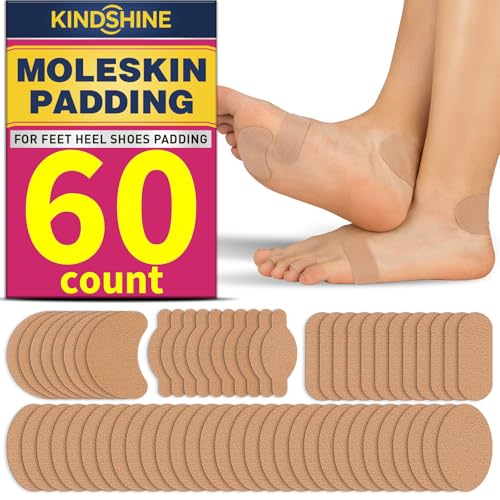
KINDSHINE 60Pcs Moleskin Strips with Adhesive Blister Prevention Pads | Moleskin for blister protection, Foot Heel Shoe Padding, Relieves Foot Friction, Portable &Travel-Friendly, Value Pack, Beige
Check price on Amazon
Dr. Scholl's Blister Cushions Seal & Heal, Blister Prevention Pads, 12 ct | Blister prevention pads for feet, toes, heels & hands, blister prevention, hydrogel technology, water-resistant heel pads
Check price on Amazon
KT Health Blister Prevention Tape – 30 Precut Strips for Blister Protection, Strong Adhesive, Dermatologist Tested, Ideal for Athletes and Active Lifestyles – Beige
Check price on Amazon
Promifun Moleskin Strips with Adhesive Blister Prevention Pads,Beige 24 Pcs | Mole Skin Tape Stickers for Feet Heel Shoes Padding- 4 Pre-Cut Shape Blisert Bandage for Feet,Traveling Essentials
Check price on Amazon
Body Glide Foot Glide Anti Blister Balm | blister prevention for heels, shoes, cleats, boots, socks, and sandals | Use on toes, heel, ankle, arch, sole and ball of foot | 0.8oz
Check price on Amazon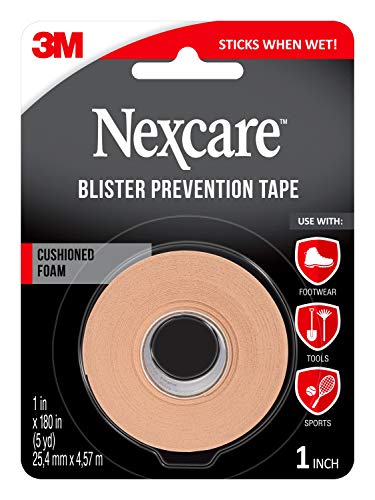
Nexcare Blister Prevention Tape, Waterproof Foam Medical Tape, Sticks Firmly to Skin to Help Prevent Blisters - 1 In x 5 Yds, 1 Roll of Tape
Check price on Amazon
Moleskin Adhesive Pads & Blister Bandages for Feet - 30ct Moleskin Padding | Blister Pads for Heels and Toes, Soft Cushioning to Help Reduce Shoe Friction During Walking, Running & Travel
Check price on Amazon
Arme Hydrocolloid Bandages, Gel Blister Bandages for Feet 50Pcs 4 Shape | Waterproof Blister Pads Blister Cushions for Prevention & Recovery for Heel Foot Toe Protection
Check price on AmazonWhat to Do When a Blister Forms
Despite your best efforts, a blister may still develop. If it does, act quickly to prevent infection and further damage. For small blisters, leave them intact — the fluid inside is sterile and provides a natural cushion. Cover with a blister plaster or moleskin to reduce friction. If the blister is large or painful, you may need to drain it carefully using a sterilized needle, but keep the skin intact as a protective layer. Apply an antibiotic ointment and cover with a sterile bandage.
If you have diabetes or circulation problems, foot injuries require immediate professional attention. Our diabetic footwear guide offers specialized advice for these situations. For those prone to plantar fasciitis or other foot conditions, blisters can be especially problematic, so prevention becomes even more critical. If you're experiencing persistent foot pain, see a healthcare professional.
Long-Term Foot Health for Boot Wearers
Blisters are often a symptom of a larger issue: ill-fitting boots or improper foot care. If you frequently get blisters in the same spots, it's worth reevaluating your footwear choices. A trip to a professional fitter or a review of our boot purchase guides can help you identify the right boots for your foot shape and activity level. For those with specific concerns, foot health and comfort resources provide deeper guidance.
Consider your overall boot care routine as well. Keeping your boots clean and well-maintained not only extends their life but also ensures the interior remains smooth and free of debris that can cause friction. Regular cleaning of leather boots, suede boots, and nubuck boots keeps the material supple and comfortable. Proper storage with boot storage covers and boot bags prevents dust and dirt from accumulating inside.
For those who wear boots daily, rotating between multiple pairs gives each pair time to dry and recover. This is especially important for work boots and hiking boots that see heavy use. Using boot dryers and odor control products keeps your boots fresh and hygienic. If your boots are showing signs of wear, consider sole replacement or heel repair to maintain optimal comfort and support.
Final Thoughts: Prevention Is Everything
Blisters are painful, frustrating, and entirely preventable with the right approach. By choosing proper socks, mastering lacing techniques, managing moisture, and breaking in your boots gradually, you can enjoy your favorite footwear without the agony of blisters. Whether you're wearing tactical boots, motorcycle boots, or cowboy boots, the principles remain the same.
Remember that every foot is unique. What works for one person may not work for another. Experiment with different sock combinations, lacing styles, and preventive products until you find the system that keeps your feet happy. And if you're in the market for new boots, prioritize fit above all else — the best blister prevention starts with the right pair. Explore our boot styles overview to find the perfect match for your needs, and don't forget to check our first boot checklist before you buy.
With the right knowledge and a little preparation, you can say goodbye to blisters and hello to comfortable, confident boot wearing. Your feet will thank you.