
Breathable Boots: Stay Cool, Dry & Comfortable All Day
Stop suffering from sweaty, overheated feet. Learn how breathable boots work, which materials and ventilation technologies actually deliver, and how to pick the right pair for work, hiking, or everyday wear.
COMPARE MATERIALSWhy Breathability Matters: Your feet contain over 250,000 sweat glands and can produce up to half a pint of moisture daily. Without proper ventilation, that moisture gets trapped inside your boots, leading to blisters, odor, fungal infections, and overheating. Breathable boots are not a luxury—they are a fundamental comfort and foot-health requirement, especially during long shifts, warm-weather hikes, or summer commutes.
What Exactly Makes a Boot "Breathable"?
Breathability in footwear refers to the ability of a boot to allow moisture vapor (sweat) to escape while simultaneously allowing fresh air to circulate inside. This is achieved through two primary mechanisms: moisture vapor transmission (the movement of water vapor through materials) and air circulation (the physical flow of air in and out of the boot).
The best breathable boots combine both. They use advanced membranes, perforated panels, moisture-wicking linings, and ventilated footbeds to create a continuous cycle of evaporation and airflow. For a broader understanding of how different boot constructions handle temperature regulation, explore our guide to boot types and their design purposes.
It is important to distinguish between waterproof boots and breathable boots. Traditional waterproof boots use non-porous materials that block water from entering but also trap sweat inside. Modern waterproof-breathable membranes (like Gore-Tex or eVent) solve this by allowing vapor to pass through while blocking liquid water. However, the most breathable boots are typically non-waterproof, using open mesh or highly porous materials for maximum airflow.
Key Features That Define a Breathable Boot
🌬️ Ventilation Panels
Mesh or perforated panels on the tongue, sidewalls, or upper allow air to flow directly into the boot. These are most effective in warm, dry climates and for low-impact activities.
💧 Moisture-Wicking Linings
Linings made from materials like Cambrelle, Dri-Lex, or merino wool pull sweat away from your skin and distribute it for faster evaporation through the boot's upper.
🔬 Breathable Membranes
Microporous membranes like Gore-Tex or Sympatex are laminated into the boot. They block liquid water but allow sweat vapor to escape, ideal for wet but warm conditions.
👟 Ventilated Footbeds
Removable footbeds with perforations, channels, or moisture-wicking top sheets allow air to circulate under the foot and prevent moisture pooling in the shoe.
🔓 Lacing Systems
Open lacing systems with padded tongues allow you to adjust the fit for airflow. Loose lacing promotes air exchange, while tight lacing reduces it. Learn more about boot laces and lacing techniques.
⚖️ Lightweight Construction
Breathable boots are often lighter and less insulated. They use fewer layers, thinner padding, and synthetic materials that dry faster than heavy leather.
Breathability by Boot Material: A Practical Comparison
Not all boot materials are created equal when it comes to airflow. The table below ranks common boot upper materials from most to least breathable, with notes on their best use cases and trade-offs.
| Material | Breathability Rating | Best For | Trade-Off |
|---|---|---|---|
| Open Mesh / Textile | ★★★★★ (Excellent) | Summer hiking, casual wear, hot climates | Minimal water resistance, less durability |
| Perforated Synthetic | ★★★★☆ (Very Good) | Work boots, tactical use, warm environments | Perforations can let in dust and debris |
| Breathable Membrane + Textile | ★★★★☆ (Very Good) | Hiking in wet but warm conditions | Membrane can degrade over time; higher cost |
| Nubuck / Suede | ★★★☆☆ (Moderate) | Everyday wear, mild climates | Absorbs water; requires regular care (see nubuck cleaning and suede cleaning) |
| Full-Grain Leather | ★★☆☆☆ (Low) | Durability, formal wear, cold weather | Poor airflow; needs breaking in (see break-in guide) |
| Rubber / PVC | ★☆☆☆☆ (Very Low) | Heavy rain, mud, chemical protection | Zero breathability; sweat accumulation is severe |
For those who need a balance between weather protection and breathability, modern waterproof-breathable boots offer a compromise. However, if maximum airflow is your priority, choose mesh or perforated synthetic uppers. If you prefer natural materials, leather boots with perforated panels or unlined construction can offer moderate breathability.
Breathable Boots for Every Use Case
Breathability requirements vary dramatically depending on how and where you wear your boots. Here is how to match breathable features to your specific needs:
For Work & Industrial Environments
Workers in warehouses, construction, landscaping, and food service spend 8–12 hours on their feet, often in warm or humid conditions. Breathable work boots with moisture-wicking linings and ventilated footbeds are essential for preventing fatigue and foot health issues. If safety toes are required, look for steel toe boots with mesh panels or breathable synthetic uppers. For jobs that require tactical movement, tactical boots with drainage vents and breathable textiles are ideal.
For Hiking & Outdoor Adventure
On the trail, your feet generate significant heat and sweat, especially during ascents. Breathable hiking boots with mesh uppers and breathable membranes keep feet cool and reduce the risk of blisters. For hot, dry climates, prioritize maximum ventilation over waterproofing. For wet but warm conditions, a breathable waterproof membrane is the best choice. Pair your boots with moisture-wicking boot socks to complete the system.
For Everyday & Casual Wear
If you wear boots for commuting, errands, or casual outings, breathability keeps you comfortable during long days. Breathable ankle boots and Chelsea boots in lightweight materials are excellent choices. For warm-weather styling, summer boots picks focus on open weaves and light colors that reflect heat. If you need to transition from work to weekend, everyday boot looks can guide your styling choices.
For Travel & Warm Climates
Traveling to a hot, humid destination? Breathable boots that pack flat and dry quickly are invaluable. Look for rainy season boots that combine water resistance with ventilation, or lightweight combat boots in breathable canvas. For those who need to look sharp in warm weather, dressy boot outfits can incorporate breathable suede or unlined leather boots.
7 Practical Tips to Maximize Boot Breathability
- Choose the right socks. Moisture-wicking socks made from merino wool, bamboo, or synthetic blends pull sweat away from your skin. Avoid cotton, which holds moisture. Explore boot socks for options.
- Use ventilated footbeds. Replace thick, solid footbeds with perforated or mesh-topped insoles. For extra comfort, consider memory foam boots with breathable covers.
- Loosen your laces. A looser lacing pattern allows more air to enter the boot. This is especially effective in warm, dry conditions.
- Rotate your boots. Give your boots 24 hours to dry completely between wears. This prevents moisture buildup and extends the life of the materials. Proper boot care includes drying techniques.
- Use boot dryers. After a long day, a boot dryer circulates air inside the boot, removing residual moisture and preventing odor.
- Apply breathable waterproofing. If you need water resistance without sacrificing breathability, use a spray-on waterproofing treatment designed for breathable fabrics. Avoid waxes or heavy creams that clog pores.
- Manage odor naturally. Breathable boots reduce sweat, but for extra protection, use odor control products like cedar inserts or charcoal bags.
Common Mistakes When Buying Breathable Boots
Even well-intentioned buyers make mistakes that undermine breathability. Here are the most common pitfalls to avoid:
- Assuming all mesh is breathable. Some mesh panels are backed with solid waterproof layers that block airflow. Check product specs for "breathable membrane" or "moisture vapor transmission" ratings.
- Sacrificing fit for breathability. A boot that is too tight restricts airflow and compresses insulation, reducing breathability. Proper fit is critical—see our fit and measurement guide.
- Ignoring the footbed. A non-breathable footbed can trap sweat right under your foot, negating the benefits of a breathable upper. Choose removable, ventilated footbeds.
- Wearing the wrong socks. Cotton socks are the enemy of breathability. They absorb sweat and hold it against your skin. Always choose moisture-wicking materials.
- Overlooking maintenance. Dirt, dust, and debris clog breathable membranes and mesh. Regular cleaning—whether leather cleaning, canvas cleaning, or rubber boot wash—keeps pores open. For a complete routine, visit our boot maintenance hub.
Ready to Upgrade Your Footwear?
Explore our recommended breathable boots below—tested for comfort, ventilation, and durability. Find your perfect pair today.
VIEW TOP PICKS ↓Recommended Breathable Boots
⚠️ AFFILIATE DISCLOSURE: This website contains affiliate links. As an affiliate Associate, we earn from qualifying purchases. If you make a purchase through these links, we may receive a small commission at no additional cost to you. Read our full affiliate policy.

SHULOOK Men's Waterproof Hiking Boots Non-Slip Lightweight Mid Top Ankle Boot Breathable Hiker Trekking Shoes
Check price on Amazon
NORTIV 8 Men's Military Tactical Boot Zipper Lightweight,Black,10 | Comfortable for Work All Day Motorcycle Combat Hiking Boots Metrostrike(8-9 Inches)
Check price on Amazon
Under Armour Men's Charged Valsetz Mid, 001 BLACK, 11
Check price on Amazon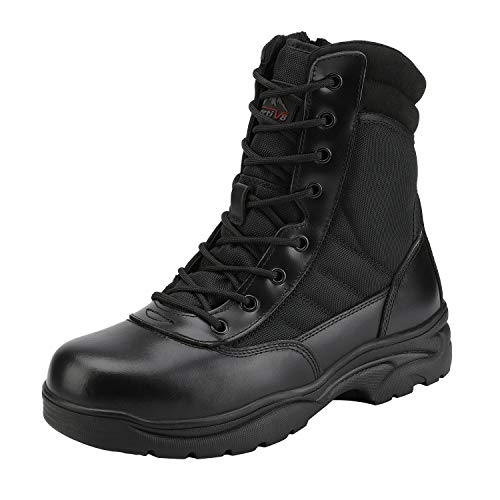
NORTIV 8 Men's Military Tactical Work Boots,Black,12 | Side Zipper Leather Motorcycle Combat Boots for Outdoor Work Hiking Tactical Use and Daily Wear Trooper
Check price on Amazon
XPETI Mens Hiking Boots Breathable Outdoor Ankle Trekking Boots for Men 11.5 Grey
Check price on Amazon
NORTIV 8 Men's Ankle High Waterproof Hiking Boots,Brown/Black/Tan,10 | Outdoor Lightweight Hiking Boots for Camping, Trekking and Mountaineering Armadillo
Check price on Amazon
NORTIV 8 Men's Breathable Tactical Military Work Boots,Black,10 | Side Zipper Leather Lightweight Hiking Motorcycle Combat Boots 8 Inches Peakforce
Check price on Amazon
NORTIV 8 Men's Tactical Hiking Boots Lightweight Cushion,Black,8 | Side Zipper Motorcycle Combat Boots with Arch Support Sole for All Day Comfort, Outdoor Hiking Military Use 8In Terrascope
Check price on AmazonFrequently Asked Questions About Breathable Boots
Can breathable boots also be waterproof?
Yes, but with a trade-off. Boots with a breathable waterproof membrane (like Gore-Tex) allow sweat vapor to escape while blocking liquid water. However, they are generally less breathable than non-waterproof mesh boots. For maximum breathability, choose non-waterproof; for wet conditions, choose a membrane.
Are breathable boots suitable for cold weather?
Not usually. Breathable boots prioritize airflow over insulation. In cold weather, you need insulated boots that trap heat. However, breathability is still important in winter to prevent sweat from freezing inside the boot. Look for boots with both insulation and a breathable membrane.
How do I test if a boot is truly breathable?
Check the product specifications for terms like "moisture vapor transmission rate" (MVTR) or "breathable membrane." Read reviews from users in warm climates. If possible, try the boots on in-store and walk around for 10–15 minutes to feel for heat buildup.
Do breathable boots last as long as traditional leather boots?
Generally, no. Mesh and synthetic materials are less abrasion-resistant than full-grain leather. However, with proper care—regular cleaning, avoiding harsh chemicals, and storing correctly—breathable boots can last several years of regular use. For longevity, consider best value boots that balance durability and breathability.
What is the best breathable boot for plantar fasciitis?
Look for breathable boots with excellent arch support and cushioning. Our plantar fasciitis boots guide covers specific recommendations. Combining a breathable upper with a supportive arch support insole is ideal.
Continue Your Boot Research
Breathability is just one factor in choosing the right boots. To make a fully informed decision, explore these related guides:
- Boot Purchase Guides — A complete framework for buying any type of boot, from budget to premium.
- Boot Spec Comparison — Learn how to read and compare technical specifications across brands.
- Foot Health & Comfort — Understand how boot design affects foot health, posture, and long-term comfort.
- Boots Price to Quality — How to determine if a breathable boot is worth its price tag.
- Boot Feature Glossary — Decode terms like "MVTR," "air mesh," and "moisture-wicking" with confidence.
- Budget-Friendly Picks — Breathable boots don't have to be expensive. Find affordable options here.
- Boot Outfit Inspiration — Style your breathable boots for any occasion, from casual to semi-formal.
Final Thoughts: Invest in Breathability for Healthier, Happier Feet
Breathable boots are more than a comfort feature—they are a foot-health necessity. Whether you are logging long hours on a job site, trekking through humid trails, or simply navigating a hot summer day, the right breathable footwear can prevent blisters, reduce fatigue, and keep your feet feeling fresh. By understanding materials, ventilation technologies, and proper maintenance, you can choose boots that perform as good as they feel.
Use this guide as your reference, compare your options carefully, and don't compromise on airflow. Your feet will thank you. And when you're ready to buy, the recommended products above are a great starting point—each selected for its breathability, comfort, and value.