
UV Protection for Boots: The Complete Shield Guide
Discover how ultraviolet rays silently destroy your leather, suede, and nubuck footwear — and learn the exact strategies to prevent fading, cracking, and discoloration before it starts.
Explore UV ProtectionThe Hidden Threat: Most boot owners worry about rain, mud, and scuffs. But UV radiation from sunlight is the most underestimated enemy of fine footwear. It breaks down leather fibers at a molecular level, causing irreversible fading and brittleness. The good news? UV protection is simple, affordable, and takes only minutes to apply.
Why UV Protection Matters for Your Boots
Ultraviolet (UV) radiation is a form of electromagnetic energy emitted by the sun. While invisible to the human eye, it carries enough energy to break chemical bonds in organic materials — including the collagen fibers that give leather its strength and suppleness. When you leave your leather boots exposed to direct sunlight for extended periods, the UV rays trigger a process called photo-oxidation. This causes:
- Color fading: Deep browns turn pale, blacks turn gray, and rich tan hues become washed out.
- Surface cracking: Leather loses its natural oils and becomes dry, leading to fissures and flaking.
- Structural weakening: The fibers degrade, reducing the boot's durability and lifespan.
- Suede and nubuck damage: These materials are even more vulnerable because their open fibers absorb UV radiation more readily.
Whether you wear work boots on a sunny job site, hiking boots on exposed trails, or cowboy boots at outdoor events, UV protection should be a non-negotiable part of your boot maintenance routine.
How UV Affects Different Boot Materials
Not all boot materials respond to UV radiation in the same way. Understanding the specific vulnerabilities of each material helps you choose the right protective strategy.
| Material | UV Sensitivity | Primary Risk | Recommended Protection |
|---|---|---|---|
| Full-Grain Leather | Moderate | Fading, drying, cracking | UV spray + conditioner |
| Suede | High | Color loss, fiber damage | UV protector spray for suede |
| Nubuck | High | Fading, nap flattening | UV protector + brush care |
| Canvas | Moderate | Fading, fabric weakening | UV fabric spray |
| Rubber | Low | Surface dulling, cracking | UV-resistant rubber conditioner |
| Patent Leather | Low-Moderate | Clouding, yellowing | UV protectant + soft cloth |
As the table shows, suede and nubuck demand the most attention. Their textured surfaces expose more surface area to sunlight, and their dyes are often less colorfast than those used on smooth leather. If you own suede boots or nubuck boots, applying a dedicated UV protector should be your first line of defense.
Types of UV Protection Products for Boots
1. UV Protectant Sprays
These are the most common and convenient option. A good UV protectant spray forms an invisible barrier on the surface of the material that absorbs or reflects UV radiation before it can penetrate the fibers. Look for products that specifically mention "UV inhibitors" or "UV blockers" on the label. Sprays are available for smooth leather, suede, nubuck, and fabric.
Application tip: Spray in a well-ventilated area, hold the can 6–8 inches from the boot, and apply in thin, even coats. Let it dry completely between coats. Most sprays require reapplication every 4–6 weeks with regular wear, or after cleaning.
2. Conditioners with UV Protection
Traditional leather conditioners restore oils and moisture, but some modern formulations also include UV inhibitors. These two-in-one products are excellent for leather cleaning and protection routines. They nourish the leather while simultaneously shielding it from sun damage. For best results, clean your boots first, then apply a UV-enhanced conditioner.
3. Wax-Based Protectors
Natural waxes like beeswax and carnauba wax provide a physical barrier that offers some UV resistance. While not as effective as dedicated chemical UV blockers, wax-based protectors are a good choice for those who prefer natural products. They also add water resistance, making them ideal for waterproofing and UV protection in one step.
4. UV-Resistant Storage Covers
Protection doesn't stop when you take your boots off. Storing boots in direct sunlight — even indoors near a window — can cause gradual fading over months. Using boot storage covers made from UV-blocking fabric adds an extra layer of defense. This is especially important for long-term storage of luxury boots or collectible pairs.
How to Apply UV Protection: Step-by-Step
Proper application is just as important as choosing the right product. Follow these steps for maximum effectiveness:
- Step 1: Clean your boots. Dirt and grime prevent UV protectants from bonding properly. Use the appropriate cleaning method for your material — see our guides on leather cleaning, suede cleaning, and nubuck cleaning.
- Step 2: Let them dry completely. Applying protectant to damp boots traps moisture and reduces effectiveness. Allow 24 hours of air drying if possible. Avoid direct heat sources.
- Step 3: Test in a hidden area. Before spraying the entire boot, test the product on a small inconspicuous area to check for discoloration or adverse reactions.
- Step 4: Apply the UV protectant. Follow the manufacturer's instructions. For sprays, apply thin, even coats. For conditioners, use a soft cloth or brush to work the product into the material.
- Step 5: Allow proper drying time. Most products need 24 hours to fully cure. Don't wear the boots during this period.
- Step 6: Reapply regularly. UV protection degrades over time, especially with frequent wear and cleaning. Mark your calendar for reapplication every 4–6 weeks.
For boots that see heavy sun exposure — like work boots used outdoors daily or hiking boots on high-altitude trails — consider more frequent reapplication. If you're also concerned about moisture, combine UV protection with a waterproofing treatment for comprehensive defense.
Common UV Protection Mistakes to Avoid
Even well-intentioned boot owners make mistakes that compromise UV protection. Here are the most common pitfalls:
- Using the wrong product for the material. A UV spray designed for smooth leather can ruin suede by matting the nap. Always match the product to the material.
- Skipping the cleaning step. UV protectants can't bond to dirty surfaces. Cleaning first is essential.
- Applying too much product. Over-application can leave a sticky residue that attracts dirt and actually accelerates wear. Thin, even coats are best.
- Forgetting the soles and edges. UV radiation damages rubber soles and exposed leather edges too. Don't neglect these areas.
- Storing boots in sunlight. Even with UV protection applied, prolonged direct sunlight exposure will eventually cause damage. Store boots in a cool, dark place.
- Assuming one application lasts forever. UV protection is not permanent. Regular reapplication is necessary, especially for boots worn outdoors frequently.
By avoiding these mistakes, you'll extend the life and appearance of your boots significantly. For a complete care regimen, pair UV protection with regular boot maintenance practices.
UV Protection for Different Boot Types
Your boot's intended use affects how much UV exposure it receives — and therefore how much protection it needs.
Work Boots
If you work outdoors, your work boots are exposed to UV radiation every single day. Construction workers, landscapers, farmers, and surveyors are particularly at risk. Choose a heavy-duty UV protectant that also offers water resistance, and reapply weekly. Consider steel toe boots with UV-resistant leather for maximum durability.
Hiking Boots
Hiking boots face intense UV exposure at high altitudes, where UV radiation is stronger. If you hike above treeline or in snowy conditions (where UV reflects off snow), your boots need robust UV protection. Look for protectants that also handle moisture and abrasion.
Cowboy Boots
Cowboy boots are often worn outdoors in sunny climates. The exotic leathers used in premium cowboy boots — like ostrich, alligator, and snake — are particularly susceptible to UV fading. Use a UV protectant specifically formulated for exotic leathers, and store them in boot bags when not in use.
Tactical and Military Boots
Tactical boots and military boots are designed for harsh environments, but that doesn't make them immune to UV damage. In fact, their dark colors (often black or coyote brown) show fading more noticeably. Regular UV protection keeps them looking sharp and maintains their professional appearance.
Fashion and Casual Boots
Ankle boots, Chelsea boots, and other fashion-forward styles may not see as much sun, but they still benefit from UV protection — especially if you live in a sunny climate or store them near windows. A light UV protectant spray once a month is usually sufficient.
Seasonal UV Protection Guide
UV radiation varies by season, but it's present year-round. Here's how to adjust your protection strategy:
- Summer: Peak UV intensity. Reapply protectant every 3–4 weeks. Consider UV-blocking boot socks and avoid leaving boots in direct sun.
- Spring: Moderate UV levels. A good time to do a full clean and UV treatment after winter. See our spring boots picks for seasonal recommendations.
- Autumn: UV levels drop, but don't skip protection. Fall is ideal for deep cleaning and re-treating boots before winter. Check our autumn boots picks for style inspiration.
- Winter: Snow reflects up to 80% of UV radiation, doubling your boots' exposure. If you're in snowy conditions, UV protection is just as important as insulation and waterproofing.
No matter the season, consistency is key. A boot that receives UV protection year-round will outlast and outperform one that only gets attention in summer.
Ready to Protect Your Investment?
Don't let sun damage ruin your favorite boots. Explore our recommended UV protection products below and take the first step toward long-lasting footwear.
View Recommended ProductsRecommended UV Protection Products for Boots
⚠️ AFFILIATE DISCLOSURE: This website contains affiliate links. As an affiliate Associate, we earn from qualifying purchases. If you make a purchase through these links, we may receive a small commission at no additional cost to you. Read our full affiliate policy.

Outdoor Sun Hat Detachable Neck Face Flap UPF 50+UV Protection Visor Fishing Hats with Neck Flap for Men & Women Light Grey
Check price on Amazon
EltaMD UV Clear Untinted Face Sunscreen with Zinc Oxide, SPF 46, 1.7 oz | Calms and Protects Acne-Prone Skin and Rosacea, Oil-Free, No White Cast, Dermatologist Recommended
Check price on Amazon
BHYTAKI 6 Pairs UV Sun Protection Arm Sleeves, UPF 50 Sports Cooling Arm Compression Sleeves for Men Women Teenager
Check price on Amazon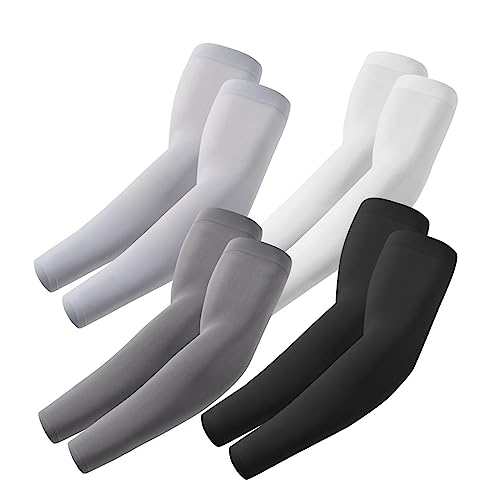
ROXUN Arm Sleeves Cooling UV Sun Protection Sport Compression for Men Women | UPF50,Seamless cover arms,Tattoo-covering,Lightweight,breathable,daily wear,Outdoor work,Basketball,Baseball,Mangas
Check price on Amazon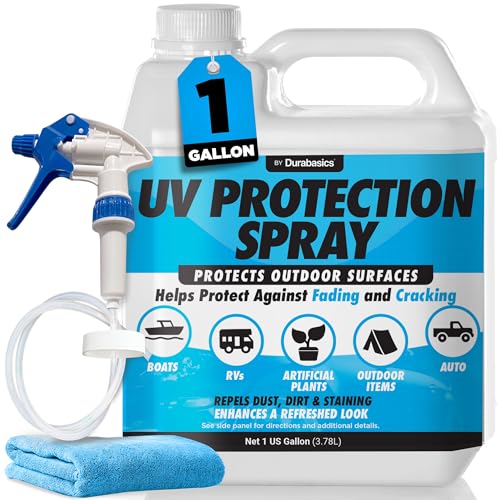
UV Protection Spray for Outdoor Surfaces – Helps Reduce Fading, Cracking, and Stains – Non-Greasy, Matte Finish – Includes Sprayer & Towel – Use on Vinyl, Plastic, Rubber, Artificial Plants
Check price on Amazon
BAODINI Mini Travel Umbrella with UV Sun Protection, Compact Pocket-Size | 8.6 oz Lightweight, Small Portable for Sun & Rain, Fit Purse & Backpack, Travel essentials for Disney & European Trip
Check price on Amazon
WAYCOM Visor Black Silver Protection: UV Face Shield Sun Visor for Outdoors | Helps Shield Face from Sun - Full Face UV Visor - For Hiking Golf Tennis & Outdoors - Hands-Free Coverage - UPF 50+ Sun Visor
Check price on Amazon
303 Marine Aerospace Protectant for Boat Vinyl, 10 oz | Provides UV protection for marine vinyl and surfaces while helping prevent fading, cracking, and staining.
Check price on AmazonFrequently Asked Questions About UV Protection
How often should I apply UV protection to my boots?
For boots worn outdoors daily, reapply every 3–4 weeks. For occasional wear, every 6–8 weeks is sufficient. Always reapply after cleaning or if the boots have been exposed to heavy rain or sun.
Can I use the same UV protectant on leather and suede?
No. Products formulated for smooth leather can damage suede and nubuck by matting the nap and causing discoloration. Always use a protectant specifically designed for your boot's material.
Does UV protection change the appearance of my boots?
High-quality UV protectants are designed to be invisible. However, some products may slightly darken leather upon application. Always test on a hidden area first. Suede protectants should not alter the color or texture when applied correctly.
Is UV protection necessary if I only wear my boots indoors?
If your boots are stored away from windows and never exposed to direct sunlight, UV protection is less critical. However, incidental exposure during commuting or outdoor walks still adds up over time. For luxury boots or expensive leather, protection is always recommended.
Can UV protection repair existing sun damage?
No. UV protection is preventive, not restorative. Once leather has faded or cracked from UV exposure, the damage is permanent. However, conditioning can improve the appearance of mildly dried leather. For severe damage, consult a professional cobbler — see our sole replacement and heel repair guides for repair options.
Does UV protection also protect against water and stains?
Some products offer combined protection against UV, water, and stains. If you want comprehensive defense, look for multi-action protectants or combine UV protection with a stain guard and waterproofing treatment.
Final Thoughts: Protect Your Boots, Protect Your Investment
UV protection is one of the simplest yet most overlooked aspects of boot care. For just a few minutes and a small investment in a quality protectant, you can prevent irreversible fading, cracking, and deterioration. Whether you own rugged work boots, elegant leather boots, or delicate suede boots, UV protection should be a regular part of your maintenance routine.
Remember: the sun doesn't take days off, and neither should your boot care. Clean, condition, protect, and store properly — your boots will reward you with years of reliable service and timeless style.
For more comprehensive boot care guidance, explore our boot maintenance hub and browse our buying guides to make informed decisions about your next pair.