
Best Value Boots: Smart Picks for Quality & Price
Discover boots that deliver exceptional quality, durability, and comfort without the premium price tag. Our expert guide helps you find the sweet spot between performance and value.
See Top Value PicksWhy Best Value Matters: The best value boots aren't the cheapest or the most expensive—they're the ones that give you the most performance, durability, and comfort for every dollar you spend. Whether you need work boots for the job site, hiking boots for the trail, or leather boots for everyday wear, this guide will help you identify boots that punch above their price point.
What Makes a Boot "Best Value"?
1. Material Quality That Lasts
Great value boots use full-grain or top-grain leather, quality suede, or durable synthetic materials that resist cracking and peeling. Look for boots with genuine leather uppers and reinforced stitching at stress points. A boot that costs $120 but lasts three years offers far better value than a $60 boot that falls apart in six months.
2. Construction That Holds Up
Goodyear welt construction, cemented soles, and quality replaceable soles are hallmarks of value. A boot with a stitched sole can be repaired, extending its life significantly. Brands that offer solid warranties also signal confidence in their product’s durability.
3. Comfort Technology Without the Markup
Features like memory foam footbeds, arch support, and shock-absorbing midsoles don’t have to cost a fortune. Many mid-range boots include these comfort features, making them excellent value for daily wear or long shifts.
4. Versatility Across Uses
A boot that works for multiple occasions—like a Chelsea boot that pairs with jeans and chinos, or a hiking boot that handles both trails and city streets—delivers more value per wear. Versatile boots reduce the need for multiple pairs.
5. Proven Brand Reputation
Brands with a track record of quality control and customer satisfaction are safer bets. Read reviews, check return policies, and look for brands that specialize in the type of boot you need. A company that focuses on work boots will likely offer better value in that category than a generalist brand.
Understanding Boot Price Tiers
Boots generally fall into three value tiers. Knowing what to expect at each price point helps you make a smarter purchase decision.
Great for occasional wear, light work, or fashion. Look for synthetic leather or split-grain leather, cemented soles, and basic comfort features. Best for those testing a style or needing a backup pair.
The optimal range for most buyers. Full-grain leather, Goodyear welt or quality cemented construction, advanced comfort technology, and reliable waterproofing. These boots often last 3–5+ years with proper care.
Handcrafted construction, exotic leathers, and lifetime warranties. Justified for professionals who wear boots daily or collectors who value craftsmanship. The per-wear cost can still be excellent.
Value Tip: The $150–$300 range is where you’ll find the best balance of quality and price for most people. Boots in this tier often use the same materials and construction methods as $400+ boots but skip the luxury branding markup. For more detailed guidance, see our budget boots guide and price-to-quality analysis.
Best Value Boots by Category
Work Boots: Safety Without Overspending
For construction, warehouse, or industrial work, you need steel toe protection, slip resistance, and durability. Brands like Red Wing, Danner, and Timberland Pro offer excellent value in the $150–$250 range. Look for ASTM-certified safety toes, electrical hazard protection, and shock-absorbing soles. Avoid ultra-cheap work boots—your safety isn’t worth the savings. Check our full work boots guide for detailed recommendations.
Hiking Boots: Trail Performance for Less
You don’t need $400 boots for weekend hikes. Mid-range hiking boots from Merrell, Keen, and Oboz offer waterproof membranes, grippy outsoles, and ankle support at $120–$200. Prioritize fit and breathability over brand names. For multi-day backpacking, invest slightly more in stiffer soles and better ankle support. See our hiking boots resource for more.
Everyday & Casual Boots: Style Meets Substance
For daily wear, Chelsea boots, ankle boots, and combat boots in the $100–$200 range offer excellent value. Brands like Blundstone, Dr. Martens, and Thursday Boot Company deliver style, comfort, and durability without luxury pricing. Leather quality and proper care are key to longevity.
Winter & Snow Boots: Warmth That Lasts
For cold weather, look for insulated boots with waterproof construction and aggressive traction. Sorel, Kamik, and Baffin offer great value at $100–$180. Check temperature ratings and ensure the boots aren’t too heavy for daily wear. Cold weather boots should balance warmth with mobility.
Cowboy & Western Boots: Heritage Without the Hype
For cowboy boots, value comes from genuine leather construction, goodyear welt, and classic styling. Brands like Ariat, Justin, and Tony Lama offer quality boots at $150–$250. Avoid heavily decorated boots if you want versatility—simple designs pair better with jeans and dresses alike.
Waterproof & All-Weather Boots
If you need waterproof boots for rain, snow, or wet conditions, look for boots with sealed seams, waterproof membranes (like Gore-Tex or proprietary equivalents), and water-resistant leather. Rain boots and snow boots in the $80–$150 range can offer excellent value if you prioritize function over fashion.
How to Evaluate Boot Value Before You Buy
Cost Per Wear: The Real Math
A $200 boot worn 200 days per year for three years costs just $0.33 per wear. A $60 boot worn 50 days before falling apart costs $1.20 per wear. Always calculate cost per wear, not just upfront price. Durable boots almost always win in the long run. Our price-to-quality guide breaks this down further.
Check the Construction Details
Look for Goodyear welt (stitched sole), Blake stitch, or cemented construction with quality adhesives. Stitched soles can be replaced by a cobbler, dramatically extending boot life. Learn more about sole replacement and heel repair to understand long-term costs.
Read Reviews from Real Users
Focus on reviews from people who’ve worn the boots for months, not days. Look for comments on durability, comfort over time, and how the boots handle waterproofing and cleaning. A boot with 4.5 stars from 500+ long-term users is a safer bet than a new model with no track record.
Consider Total Cost of Ownership
Factor in maintenance costs: leather conditioner, waterproofing spray, replacement laces, and occasional repairs. Some boots require more care than others. Leather boots need regular conditioning, while synthetic boots may need less but won’t last as long. Balance care costs against lifespan.
Fit and Comfort Are Non-Negotiable
A boot that doesn’t fit well is a waste of money, no matter how cheap. Use our fit and measurement guide to get your size right. Consider arch support needs, and if you have foot conditions, explore orthopedic boots or plantar fasciitis boots. Comfort features like heel cushions can enhance any boot.
Recommended Best Value Boots
⚠️ AFFILIATE DISCLOSURE: This website contains affiliate links. As an affiliate Associate, we earn from qualifying purchases. If you make a purchase through these links, we may receive a small commission at no additional cost to you. Read our full affiliate policy.

HARENCE Men's Waterproof Hiking Boots Lightweight Slip-Resistant Ankle Support for Trekking Walking
Check price on Amazon
SAFETY LOONG Steel Toe Moc Toe Work Boots for Men Comfortable Full Grain Leather Non Slip Wedge Outsole Construction 6" Workboots 10.5 Wide
Check price on Amazon
Timberland Men's Premium 6 Inch Lace Up Waterproof Boot, Wheat-NEW 2024, 9 Wide
Check price on Amazon
Venom Steel Boot and Shoe Covers, Tough, Easy On, Fits Over Boots, Improved Grip, Value Pack, 12 Pairs Per Box
Check price on Amazon
Showave Excursion Men's Rubber Rain Boots Waterproof Insulated Hunting Boot | Mid Calf Mud Boot for Men Anti Slip Outdoor Footwear for Trekking Farming Hunting Garden Yard Chores
Check price on Amazon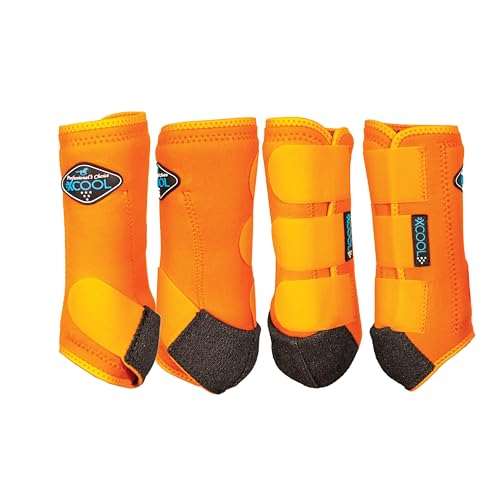
Professional's Choice 2XCOOL Sports Medicine Horse Boots | Protective & Breathable Design for Ultimate Comfort & Durability in Active Horses | Value 4 Pack |Medium Orange
Check price on Amazon
Professional's Choice 2XCOOL Sports Medicine Horse Boots | Protective & Breathable Design for Ultimate Comfort & Durability in Active Horses | Value 4 Pack | Medium Purple
Check price on Amazon
SHIBEVER Winter Snow Boots for Women: Waterproof Black Ankle Warm Fur Boot | Slip On Insulated Side Zipper Womens Flat Shoes Non-Slip Comfort Lightweight for Walking Casual Office Travel Size 5
Check price on AmazonMaximize Value: Care & Maintenance
Clean and Condition Regularly
Proper care extends boot life significantly. Learn leather cleaning, suede cleaning, and nubuck cleaning techniques. Condition leather every 3–6 months to prevent cracking. For rubber boots, see our rubber boot wash guide.
Protect Before You Wear
Apply waterproofing spray or wax before first wear and reapply seasonally. Use boot guard sprays for stain resistance and UV protection to prevent fading. Stain guards are especially useful for light-colored boots.
Store Properly
Use boot bags or storage covers to protect from dust and moisture. Boot jacks help remove boots without damaging the heel. For wet boots, use boot dryers to dry them safely and prevent odor. Consider odor control products for freshness.
Repair, Don’t Replace
When soles wear down, consider sole replacement instead of buying new boots. Fix heel damage and stitching issues early. Zipper repair is often cheaper than new boots. A good cobbler can add years to your boots’ life.
Ready to Find Your Best Value Boots?
Explore our curated selection of top-rated boots that deliver exceptional quality at fair prices. Whether you need work, hiking, or everyday boots, we’ve done the research so you can buy with confidence.
Browse Top Value PicksFrequently Asked Questions
What is the best price range for value boots?
For most people, the $150–$300 range offers the best balance of quality, durability, and price. Boots in this tier typically use full-grain leather, quality construction methods, and comfort technology comparable to $400+ boots. Budget boots under $100 can work for occasional wear but often sacrifice longevity.
Are expensive boots always better value?
Not necessarily. Beyond $300–$400, you’re often paying for brand prestige, exotic materials, or handcrafted details that don’t significantly impact durability or comfort. The key is finding boots where your money goes into materials and construction, not marketing. Our luxury boots guide explains when premium pricing is justified.
How long should value boots last?
With proper care, quality value boots ($150–$300) should last 3–5 years of regular wear, or longer if rotated with other pairs. Work boots may wear faster depending on job conditions. Hiking boots typically last 500–1,000 miles. Regular maintenance and timely repairs significantly extend lifespan.
Should I buy boots on sale?
Yes, if you know your size and the brand fits well. End-of-season sales, Black Friday, and clearance events can offer 30–50% off quality boots. However, avoid buying unfamiliar brands just because they’re cheap. See our boots sales guide for timing tips and shopping tips for smart buying strategies.
What features matter most for value?
Prioritize: (1) quality materials (full-grain leather or durable synthetics), (2) solid construction (stitched or quality cemented soles), (3) proper fit and comfort features like arch support, and (4) appropriate waterproofing for your climate. Brand reputation and warranty also matter. Skip decorative features that don’t improve function.
Final Thought: The best value boots are the ones that fit your feet, match your needs, and last long enough to justify their price. Don’t chase the cheapest option or the most expensive—focus on quality materials, solid construction, and proper fit. With the right care, a good pair of value boots can serve you well for years. Explore our buying guides and comparison tools to make your final decision with confidence.