
Boot Room Organization: Smart Storage & Setup Guide
Transform your entryway or mudroom into a functional, clutter-free boot storage system. Learn how to organize, dry, and protect your footwear collection with expert tips.
EXPLORE STORAGE IDEASWhy Boot Room Organization Matters: A well-organized boot room isn't just about aesthetics—it protects your investment. Proper storage prevents moisture damage, extends the life of your leather boots, and keeps your entryway functional. Whether you have a dedicated mudroom setup or a small entryway boot storage area, the right system makes all the difference.
Assessing Your Boot Room Needs
Before purchasing storage solutions, evaluate your space and collection. A family of four with active outdoor enthusiasts has different needs than a single professional with a curated collection of Chelsea boots. Consider these factors:
Space Evaluation
Measure your available area, including wall height, floor space, and door clearance. A dedicated mudroom can accommodate floor-to-ceiling shelving, while a compact entryway may require vertical wall-mounted racks.
- Floor space: 4–10 sq ft for small families
- Wall height: Utilize 6–8 ft vertical space
- Door swing: Leave 3 ft clearance
Collection Inventory
Count your boots by category. Tall knee-high boots need hanging space, while work boots and hiking boots require sturdy shelving. Seasonal rotations—like snow boots in winter—need accessible storage.
- Daily wear: 2–4 pairs per person
- Seasonal: 3–6 pairs per person
- Specialty: 1–2 pairs (formal, sport-specific)
Climate Considerations
Humid climates demand breathable storage to prevent mold, while rainy regions need dedicated boot dryers. If you frequently deal with wet footwear, prioritize drying stations and waterproof boot care.
- Humid: Open shelving, ventilation
- Rainy: Drying racks, drip trays
- Snowy: Heated drying solutions
- Dry: Dust covers, closed cabinets
Top Boot Storage Solutions
The right storage system depends on your space, budget, and collection size. Here are the most effective options, ranging from budget-friendly to premium:
Wall-Mounted Racks
Perfect for small entryways. These racks keep boots off the floor, allowing them to air dry and preventing dirt from spreading. Look for models with individual hooks or slots to prevent scuffing.
- Best for: Ankle boots, Chelsea boots
- Install at 12–18 inches from floor
- Stainless steel or coated wire preferred
Boot Trees & Shapers
Cedar boot trees absorb moisture and maintain shape. Essential for leather boots and cowboy boots. They prevent creasing and extend footwear life significantly.
- Cedar: Natural moisture absorption
- Plastic: Budget option, less effective
- Adjustable: Fits multiple sizes
Storage Benches with Compartments
Combine seating and storage. Ideal for mudrooms, these benches feature cubbies for boots and hooks for coats. Look for models with ventilated compartments to prevent odor buildup.
- 2–4 cubbies for small families
- Ventilated doors or open backs
- Weight capacity: 200–300 lbs
Custom Cabinetry & Lockers
For serious collectors or large families, custom lockers offer dedicated space per person. Include boot dryers, odor control solutions, and storage covers for premium protection.
- Individual lockers: 18–24 inches wide
- Integrated drying: Electrical outlets
- Adjustable shelving: 3–5 shelves
Creating a Boot Drying & Maintenance Station
Moisture is the enemy of footwear. A dedicated drying station prevents mold, odor, and material degradation. This is especially important for waterproof boots and insulated boots that trap moisture inside.
Drying Rack Essentials
Choose a rack that allows air circulation around each boot. Wall-mounted or freestanding options work well. Place near a heat source (but not directly on radiators, which can crack leather).
- Material: Powder-coated steel or cedar
- Capacity: 4–8 pairs
- Drip tray: Essential for wet boots
Electric Boot Dryers
For frequent wet conditions, invest in an electric dryer. These circulate warm air (not hot) to dry boots from the inside out. Prices range from $40–$150 depending on capacity and features.
- Thermostatic control: Prevents overheating
- Silent operation: Under 40 dB
- Timer: Auto shut-off after 3–6 hours
Cleaning & Care Caddy
Keep cleaning supplies organized and accessible. A small caddy with leather cleaning products, brushes, and waterproofing spray makes maintenance quick and easy.
- Horsehair brush: For daily dusting
- Microfiber cloths: For applying conditioners
- Waterproofing spray: Seasonal application
Organization Tips by Boot Type
Different boots require different storage approaches. Here's how to organize your collection by category:
| Boot Type | Storage Method | Key Considerations |
|---|---|---|
| Work Boots | Open shelving or floor racks | Allow mud to dry before brushing off; use boot dryers for sweaty feet |
| Hiking Boots | Ventilated cubbies | Remove insoles to dry; store with storage covers if long-term |
| Cowboy Boots | Boot trees + hanging racks | Use cedar trees to maintain shape; avoid folding shafts |
| Knee-High Boots | Hanging clips or tall shelves | Stuff shafts with tissue or boot shapers to prevent slouching |
| Snow Boots | Floor racks with drip trays | Dry thoroughly to prevent salt stains; store in cool, dry area |
| Leather Boots | Dust bags + boot trees | Condition before storage; use breathable covers |
Small Space & Apartment Solutions
Not everyone has a dedicated mudroom. These compact solutions maximize storage in tight spaces:
Over-the-Door Organizers
Utilize door space with hanging organizers. Perfect for ankle boots and Chelsea boots. Look for models with clear pockets to identify contents quickly.
- Capacity: 6–12 pairs
- Material: Canvas or mesh
- Price: $20–$50
Under-Bed Storage Boxes
Rotate seasonal boots under the bed. Use breathable canvas boxes with handles. Label each box by season or boot type for easy access.
- Capacity: 4–6 pairs per box
- Material: Breathable canvas
- Price: $15–$40 per box
Vertical Stackable Racks
Stackable racks create a custom storage tower. Start with 2 tiers and expand as needed. Ideal for rental apartments where permanent installation isn't possible.
- Capacity: 2–3 pairs per tier
- Material: Plastic or bamboo
- Price: $25–$60
Maintenance & Seasonal Rotation
A well-organized boot room requires regular maintenance. Follow this schedule to keep your collection in top condition:
Weekly Tasks
- Wipe down daily-wear boots with a damp cloth
- Check drying racks for moisture buildup
- Vacuum or sweep floors to prevent grit tracking
- Air out the room for 15–20 minutes
Monthly Tasks
- Deep clean leather and suede boots
- Apply waterproofing to wet-weather boots
- Check boot laces for wear and replace as needed
- Organize and rotate seasonal stock
Seasonal Tasks
- Deep clean and store off-season boots with covers
- Inspect snow boots for cracks before winter
- Check rain boots for leaks before spring
- Replace worn heel cushions and insoles
Budget Planning for Your Boot Room
Creating an organized boot room doesn't have to break the bank. Here's a breakdown of typical costs:
| Item | Budget Range | Priority |
|---|---|---|
| Wall-mounted rack | $30–$80 | High |
| Boot trees (cedar, per pair) | $20–$50 | High |
| Drip tray | $15–$40 | High |
| Storage bench with cubbies | $80–$250 | Medium |
| Electric boot dryer | $40–$150 | Medium |
| Storage covers (set of 4) | $15–$35 | Medium |
| Custom lockers | $150–$500+ | Low (luxury) |
Pro Tip: Start with the essentials—a rack, boot trees, and a drip tray. These three items solve 80% of boot storage problems for under $100. Add specialized solutions as your collection grows.
Your Boot Room Organization Checklist
Before you start shopping, run through this checklist to ensure you've covered all bases:
- Measured your available space (floor + wall)
- Counted and categorized your boot collection
- Identified your climate-specific needs
- Chosen a storage method that fits your space
- Selected a drying solution for wet boots
- Gathered cleaning supplies in a caddy
- Planned a seasonal rotation schedule
- Set a realistic budget for storage solutions
- Considered long-term maintenance requirements
- Reviewed break-in guide for new boots
Recommended Boot Room Organization Products
⚠️ AFFILIATE DISCLOSURE: This website contains affiliate links. As an affiliate Associate, we earn from qualifying purchases. If you make a purchase through these links, we may receive a small commission at no additional cost to you. Read our full affiliate policy.

Boot Rack for Tall Boots, 19.5" Boot Organizer Holds 6 Pairs, Black | Free Standing Metal Boot Rack Organizer Tall Boots for Dorm Room, Closet, Entryway, Bedroom, Patio Outdoor, Hallway
Check price on Amazon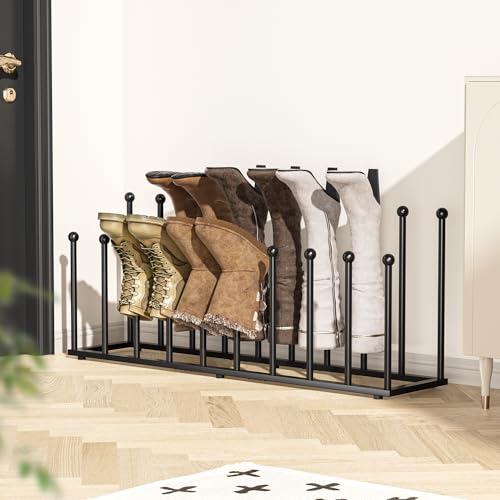
Freestanding Boot Rack, Shoe Storage Organizer Fit for 10 Pairs, Black | 19.5 Inch Metal Boot Rack Organizer Tall Boots for Dorm Room, Closet, Entryway, Bedroom, Patio Outdoor, Hallway
Check price on Amazon
Urban Deco Free Standing Shoe Racks, Boot Organizer for Tall Boots, Black Metal Boot Rack Fit for 4 Pairs, Shoe Organizer for Dorm Room, Entryway (Black-4 pairs)
Check price on Amazon
HzTinT Boot Rack for Tall Boots, 19.5" Boot Organizer Holds 6 Pairs, White | Free Standing Metal Boot Rack Organizer Tall Boots for Dorm Room, Closet, Entryway, Bedroom, Patio Outdoor, Hallway
Check price on Amazon
Cowboy Boot Rack Wall Mounted with Shelf and Hooks for 4 Pairs Boot Storage | Save Floor Space, Keeping Cowboy Boots Upright Organized for Closets Bedrooms Mudrooms Western Gear Storage Cowboy Girl Gifts
Check price on Amazon
12 Pairs Boot Rack for Tall Boots, 3 Pack In 1 Shoe Boot Organizer Storage | Upside Down Design Cowboy Boot Holder with Adjustable Feet for Entryway Closet Mudroom Garage, Heavy Duty Metal Shoe Shelf
Check price on AmazonFinal Thoughts: A well-organized boot room protects your footwear investment and simplifies your daily routine. Whether you have a sprawling mudroom or a compact apartment entryway, the right combination of racks, dryers, and storage accessories keeps your collection ready for any adventure. Start with the essentials, maintain regularly, and enjoy the peace of mind that comes from a clutter-free, functional space.