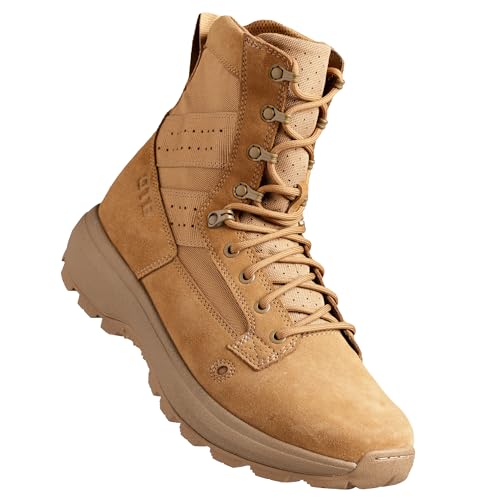
Boots Spec Comparison: Materials, Soles & Construction
Understand every specification before you buy. Compare leather types, sole constructions, waterproofing methods, insulation ratings, and safety features side by side.
JUMP TO COMPARISON TABLEWhy Specs Matter: Two boots can look identical on the shelf yet perform completely differently on your feet. The difference lies in the specifications — the type of leather, the sole construction method, the waterproofing technology, and the safety certifications. This guide breaks down every major spec category so you can compare boots with confidence and choose the pair that matches your actual needs, not just the marketing claims.
Understanding Boot Anatomy
Before diving into comparisons, it helps to understand the core components that make up every boot. Each component has its own set of specifications that affect durability, comfort, and performance. Whether you are looking at work boots, hiking boots, or leather boots, the same anatomical principles apply.
Upper Materials
- Full-Grain Leather: Most durable, develops patina, breathable
- Top-Grain Leather: Sanded for uniformity, slightly less durable
- Suede: Soft nap finish, requires careful suede cleaning
- Nubuck: Lightly sanded grain, similar care to nubuck cleaning
- Synthetic: Lightweight, water-resistant, less breathable
Sole Construction
- Goodyear Welt: Resoleable, water-resistant, premium cost
- Blake Stitch: Slim profile, flexible, harder to resole
- Cemented: Lightweight, affordable, not resoleable
- Vibram Rubber: Excellent traction, durable, heavy
- EVA Foam: Cushioned, lightweight, compresses over time
Waterproofing Methods
- Gore-Tex Membrane: Breathable waterproof barrier
- Full-Grain + Wax: Natural water resistance, requires reapplication
- Rubber Overboot: 100% waterproof, not breathable
- DWR Coating: Surface-level protection, wears off
- Seam-Sealed: Prevents water entry at stitching
Boot Spec Comparison Table
The following table compares the most common boot specifications across popular categories. Use this as a quick reference when evaluating options in our boots comparison guide.
| Specification | Work Boots | Hiking Boots | Cowboy Boots | Chelsea Boots |
|---|---|---|---|---|
| Upper Material | Full-grain leather | Suede / Nubuck / Mesh | Exotic leather / Cowhide | Suede / Smooth leather |
| Sole Type | Vibram rubber, oil-resistant | Rubber with lug pattern | Leather or rubber | Leather or rubber |
| Waterproofing | High Gore-Tex or full-grain | High Membrane + DWR | Low Leather only | Medium DWR treated |
| Safety Toe | Yes Steel / Composite | Rare | No | No |
| Insulation | 200g–600g Thinsulate | 200g–400g | Minimal | Minimal |
| Resoleable | Yes Goodyear welt | Sometimes | Yes Often welted | Sometimes |
| Break-In Period | 1–2 weeks | 1–2 weeks | 2–4 weeks | 1–2 weeks |
| Price Range | $150–$350 | $120–$300 | $200–$800 | $150–$500 |
Deep Dive: Leather Types Compared
The leather used in a boot's upper determines its durability, breathability, and appearance. Full-grain leather is the gold standard for longevity, while suede and nubuck offer a softer aesthetic at the cost of easier staining. If you are comparing leather boots against suede boots or nubuck boots, consider how much maintenance you are willing to commit to.
Full-Grain Leather
- Most durable and breathable
- Develops unique patina over time
- Best for leather cleaning simplicity
- Highest cost
- Shows scratches more readily
Suede & Nubuck
- Soft, luxurious feel
- Breathable and lightweight
- Versatile for casual styling
- Stains easily without stain guard
- Requires dedicated brushes and cleaners
Synthetic Materials
- Lightweight and affordable
- Quick-drying and water-resistant
- Easy to clean with canvas cleaning methods
- Less durable than leather
- Less breathable
Sole Construction: Which Method Wins?
The sole construction method affects everything from water resistance to whether your boots can be repaired. Goodyear welted boots are the most repairable and water-resistant, making them ideal for sole replacement down the line. Cemented soles are lighter and cheaper but typically end up in landfill once worn out. For those who prioritize longevity, our boot purchase guides recommend welted construction.
| Construction | Water Resistance | Resoleable | Weight | Best For |
|---|---|---|---|---|
| Goodyear Welt | Excellent | Yes | Heavy | Work, heritage, leather boots |
| Blake Stitch | Good | Yes (specialist) | Light | Dress boots, Chelsea boots |
| Cemented | Fair | No | Light | Budget, fashion boots |
| Vibram Rubber | Excellent | Yes | Heavy | Hiking boots, tactical boots |
Waterproofing & Insulation Ratings
If you need protection from the elements, understanding waterproofing and insulation specs is critical. Gore-Tex membranes offer the best balance of waterproofing and breathability, while traditional waxed leather requires more frequent reapplication but is naturally water-resistant. For cold climates, look for boots with at least 200g of Thinsulate insulation, and consider adding toe warmers for extra warmth. Our waterproof boots guide covers this in more detail.
Waterproofing Options
- Gore-Tex: Best breathability + waterproofing
- Waxed Leather: Natural, needs reapplication
- Rubber: 100% waterproof, zero breathability
- DWR: Light rain protection only
Insulation Ratings
- 200g: Mild winter, active use
- 400g: Moderate winter, standing still
- 600g+: Extreme cold, low activity
- Uninsulated: Best for breathable boots in summer
Comfort Features
- Arch support insoles for pronation
- Shock-absorbing boots for joint relief
- Memory foam boots for custom fit
- Heel cushions for impact reduction
How to Use Specs in Your Buying Decision
Specifications are only useful if you map them to your actual use case. A boot with 600g insulation and steel toe caps is overkill for city commuting but essential for a construction site in winter. Use the following framework to prioritize specs based on your needs:
For Work & Safety
- Prioritize steel toe boots or composite toe
- Look for slip-resistant Vibram soles
- Ensure waterproof boots if outdoors
- Check warranty information
For Hiking & Outdoor
- Prioritize hiking boots with ankle support
- Choose breathable yet waterproof membranes
- Ensure lug depth for varied terrain
- Consider boot socks for blister prevention
For Style & Everyday
- Focus on upper material and silhouette
- Choose Chelsea boots or ankle boots
- Consider boots with jeans pairing
- Review boots with chinos for smart casual
Frequently Asked Questions
Is full-grain leather always better than synthetic?
Not always. Full-grain leather is more durable and breathable, but synthetic materials are lighter, quicker to dry, and often more affordable. For intense outdoor use where weight matters, synthetic may be the better spec choice. For longevity and patina, full-grain wins.
How do I know if a boot is truly waterproof?
Look for a specific waterproof membrane like Gore-Tex or Event, or a seam-sealed full-grain leather construction. "Water-resistant" is not the same as waterproof — it will eventually soak through. Our waterproofing guide explains how to maintain water resistance over time.
What is the most important spec for comfort?
For most people, the insole and arch support matter most. Look for boots with removable insoles so you can add orthopedic boots inserts or plantar fasciitis boots support. Shock absorption and heel cushioning are also critical for all-day wear.
Should I prioritize resoleability?
If you want boots that last a decade or more, yes. Goodyear welted boots can be resoled multiple times, making them more sustainable and cost-effective long-term. Cemented boots are lighter and cheaper upfront but cannot be repaired. See our sole replacement guide for details.
Top-Rated Boots with Excellent Specifications
⚠️ AFFILIATE DISCLOSURE: This website contains affiliate links. As an affiliate Associate, we earn from qualifying purchases. If you make a purchase through these links, we may receive a small commission at no additional cost to you. Read our full affiliate policy.