
Orthopedic Boots: The Ultimate Guide to Comfort & Support
Find relief from foot pain and discover the best orthopedic boots for plantar fasciitis, arch support, diabetes, and all-day comfort. Your journey to healthier feet starts here.
View Top PicksWhy Choose Orthopedic Boots? Unlike standard footwear, orthopedic boots are specifically designed to support your foot's natural structure, alleviate pain, and improve alignment. Whether you suffer from plantar fasciitis, need arch support, or require diabetic-friendly footwear, the right pair can transform your daily comfort and mobility.
Top-Rated Orthopedic Boots for Comfort & Support
⚠️ AFFILIATE DISCLOSURE: This website contains affiliate links. As an affiliate Associate, we earn from qualifying purchases. If you make a purchase through these links, we may receive a small commission at no additional cost to you. Read our full affiliate policy.

United Ortho USA14115 Short Air Cam Walker Fracture Boot, Medium, Black
Check price on Amazon
United Ortho Short Air Cam Walker Fracture Boot, Small, Black
Check price on Amazon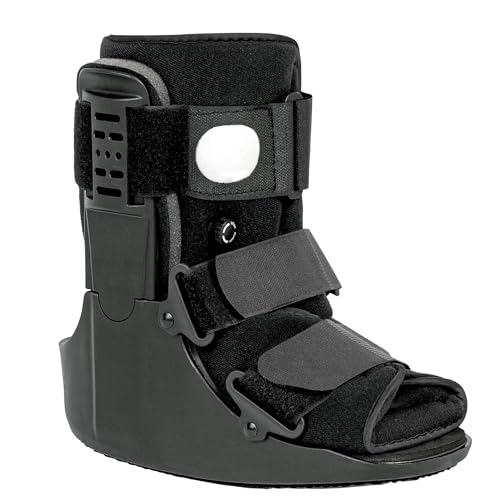
Jewlri Walking Boot for Broken & Injured Foot, Sprained Ankle, Fracture, M | Short Air CAM Walker Boot, Fracture Recovery Support, Adjustable, for Women & Men, Fits Left or Right Foot, Black
Check price on Amazon
Honprodu Air Walking Boot for Broken Foot, Injury, Sprained Ankle, M | CAM Walker Boot for Fracture, with Adjustable Air Cushion, Lightweight Design, Fits Left or Right Foot
Check price on Amazon
United Ortho Short Air Cam Walker Fracture Boot, Large, Black
Check price on Amazon
Dr. Scholl's Women's Prairie Knee High Boot Black Medium Calf 9 M
Check price on Amazon
BraceAbility Closed Toe Medical Walking Shoe - Lightweight Broken Toe Cast Boot, Fractured Foot Brace for Metatarsal Stress Fracture, Post-op Bunion, Hammertoe Surgery Recovery - For Men or Women (M)
Check price on AmazonWhat Exactly Are Orthopedic Boots?
Orthopedic boots are a specialized category of footwear engineered to provide superior support, cushioning, and stability for individuals with foot conditions or those who simply prioritize foot health. They differ from standard boot types in several key ways, focusing on therapeutic benefits rather than just aesthetics or basic protection.
These boots often incorporate features like a rigid shank for arch support, a deep heel cup to stabilize the foot, removable insoles to accommodate custom orthotics, and extra cushioning in the heel and forefoot to absorb shock. For many, they are not just a comfort choice but a medical necessity, helping to manage conditions like arthritis, bunions, and heel spurs.
If you're exploring foot health and comfort options, understanding the construction of orthopedic boots is the first step. They are designed to distribute pressure evenly across the foot, reducing strain on specific areas and promoting a more natural gait.
Key Features to Look For in Orthopedic Boots
When shopping for orthopedic boots, not all are created equal. Here are the critical features that define a truly supportive and comfortable boot:
1. Arch Support and Shank
A firm arch support is non-negotiable. Look for boots with a built-in shank (often made of steel or fiberglass) that runs from the heel to the ball of the foot. This provides rigidity and prevents the boot from twisting, which is crucial for conditions like plantar fasciitis. A good arch support guide can help you determine your specific needs.
2. Cushioning and Shock Absorption
Look for boots with thick, high-quality cushioning, especially in the heel and forefoot. Materials like EVA foam, memory foam, and gel inserts are excellent for shock absorption. Some boots are specifically designed as shock-absorbing boots to reduce impact on joints.
3. Removable Insoles
This is a vital feature for anyone using custom orthotics. A removable insole allows you to replace the stock insole with your own prescribed insert. Even without custom orthotics, a removable insole lets you add extra cushioning or heel cushions for personalized comfort.
4. Wide Toe Box and Proper Fit
A wide toe box prevents pinching and allows your toes to splay naturally, which is essential for conditions like bunions and hammertoes. Proper fit is critical, so be sure to consult a fit and measurement guide before buying. For those needing extra room, wide calf boots may also be relevant depending on the style.
5. Lightweight and Breathable Materials
Heavy boots can cause fatigue. Modern orthopedic boots use lightweight materials like mesh, knit fabrics, and advanced synthetics. Breathable boots help keep feet dry and comfortable, reducing the risk of blisters and odor. For colder climates, insulated boots offer warmth without excessive weight.
Who Benefits Most from Orthopedic Boots?
Orthopedic boots can benefit a wide range of people, from those with specific medical conditions to individuals who spend long hours on their feet.
- People with Plantar Fasciitis: The intense heel pain associated with this condition is often relieved by the firm arch support and heel cushioning found in plantar fasciitis boots.
- Diabetics: Proper foot care is crucial for diabetics. Diabetic footwear is designed to prevent ulcers and provide a protective, comfortable fit.
- Those with Flat Feet or High Arches: Orthopedic boots help correct alignment and provide the necessary support for both flat feet and high arches, reducing pain in the feet, knees, and back.
- Seniors: Stability and comfort become paramount with age. Senior-friendly options often include extra cushioning, slip-resistant soles, and easy-on features.
- Workers on Their Feet: For professions requiring long hours of standing or walking, such as nurses, retail workers, and factory staff, orthopedic work boots are essential for preventing fatigue and long-term damage.
- Anyone with Posture Issues: The alignment provided by orthopedic boots can have a positive effect on overall posture. Posture-friendly boots can help alleviate strain on the back and hips.
Orthopedic Boots vs. Standard Boots: A Quick Comparison
To understand the value of orthopedic boots, it helps to see how they compare to standard footwear. The table below highlights the key differences:
| Feature | Orthopedic Boots | Standard Boots |
|---|---|---|
| Primary Purpose | Foot health, pain relief, support, and alignment. | Style, basic protection, and general use. |
| Arch Support | Firm, integrated arch support with a rigid shank. | Minimal to no arch support; flexible sole. |
| Cushioning | Enhanced cushioning and shock absorption in key areas. | Basic cushioning, often compresses quickly. |
| Insole | Often removable to accommodate custom orthotics. | Usually fixed and not designed for replacement. |
| Toe Box | Often wider to prevent pinching and allow natural toe splay. | Standard width, which can be narrow for some. |
| Materials | Focus on lightweight, breathable, and durable therapeutic materials. | Varied, often prioritizing aesthetics over therapeutic function. |
How to Choose the Perfect Orthopedic Boots for Your Needs
Selecting the right pair is a personal journey. Here’s a step-by-step approach to ensure you make a choice that truly supports your feet:
1. Identify Your Specific Condition: Are you dealing with plantar fasciitis, diabetes, or general foot fatigue? Knowing this will guide you towards specialized features. For instance, diabetic footwear has specific requirements for seam-free interiors and protective padding.
2. Prioritize Fit Over Style: While you want to look good, fit is paramount. Your boots should feel comfortable immediately, with no pressure points. Always refer to a reliable fit and measurement guide. Remember that sizes can vary between brands.
3. Consider Your Lifestyle: Will you be wearing these boots for work, casual outings, or hiking? For outdoor activities, you might need hiking boots with orthopedic features. For a more professional setting, Chelsea boots with supportive insoles can be a great choice. For winter, look for snow boots with added support.
4. Don't Forget About Break-In: Even the most comfortable boots may need a break-in period. Be patient and follow a proper break-in guide to avoid blisters and discomfort. Using boot socks designed for comfort can also make a big difference.
5. Set a Realistic Budget: Orthopedic boots are an investment in your health. While you can find good budget-friendly picks, high-quality orthopedic boots typically range from $120 to $350. Premium models with advanced features can cost $350+. Consider it a long-term investment in your well-being. You can also explore sales and deals to find a great pair at a better price.
Frequently Asked Questions About Orthopedic Boots
Can I use my custom orthotics in orthopedic boots?
Yes, absolutely. In fact, many orthopedic boots are designed with removable insoles specifically for this purpose. Look for boots with a "removable insole" feature. This allows you to replace the factory insole with your custom orthotic, giving you the best of both worlds: a supportive boot and your personalized arch support.
Are orthopedic boots only for seniors?
Not at all. While senior-friendly options are popular, orthopedic boots are beneficial for anyone experiencing foot pain, regardless of age. Athletes, workers who stand all day, and young people with conditions like flat feet or plantar fasciitis can all benefit from the support and comfort they provide.
How do I clean and care for my orthopedic boots?
Care depends on the material. For leather, follow a leather cleaning routine. For suede, use a suede cleaning guide. Generally, you should clean your boots regularly to remove dirt and sweat, which can degrade the materials and affect the fit. Using a boot dryer can help manage moisture and odor. For a comprehensive overview, visit our care and maintenance hub.
What is the difference between orthopedic boots and diabetic footwear?
While they overlap, diabetic footwear is a more specialized subset. Diabetic boots must meet specific standards to be protective for someone with diabetes, including a seamless interior to prevent rubbing, extra depth for custom insoles, and materials that allow for good circulation. All diabetic footwear is orthopedic, but not all orthopedic boots are designed to be diabetic-friendly.
How long should orthopedic boots last?
The lifespan of your boots depends on the quality, the materials, and how often you wear them. A high-quality pair of leather orthopedic boots, with proper care (like regular leather cleaning and conditioning), can last for several years. Signs it's time to replace them include worn-out soles, compressed cushioning, and a breakdown of the internal support structure.