
Posture Friendly Boots: Complete Guide to Supportive Footwear
Discover how the right boots can improve your alignment, reduce pain, and support your body all day long. Your complete guide to posture-friendly footwear.
SHOP RECOMMENDED BOOTSWhy Posture Matters: Your feet are the foundation of your entire body. When your feet are properly supported, your ankles, knees, hips, and spine all benefit. Poor footwear can contribute to misalignment, back pain, and fatigue. Choosing posture friendly boots is one of the most effective ways to support your body's natural alignment throughout the day.
What Are Posture Friendly Boots?
Posture friendly boots are footwear designed with specific features that support the natural alignment of your body. Unlike regular boots that may prioritize style or basic function, these boots incorporate orthopedic principles to promote healthy posture. They typically feature arch support, cushioned midsoles, stable heel counters, and proper toe boxes that allow your feet to function naturally.
The best posture friendly boots address common issues like overpronation, supination, and flat feet. They work by providing a stable platform that keeps your feet in a neutral position, which in turn supports proper alignment of your ankles, knees, and hips. For those who spend long hours standing or walking, these boots can make a significant difference in comfort and long-term foot health.
Key Features to Look For in Posture Friendly Boots
When shopping for boots that support good posture, understanding the key features will help you make an informed decision. Here are the essential elements to prioritize:
- Arch Support: Proper arch support is crucial for maintaining foot alignment. Look for boots with contoured footbeds that match your arch type. If you need extra support, consider adding heel cushions or custom orthotics.
- Cushioned Midsole: A shock-absorbing midsole reduces impact on your joints. Boots with memory foam or EVA cushioning provide excellent shock absorption for all-day comfort.
- Stable Heel Counter: A firm heel counter keeps your heel in place and prevents excessive ankle movement, which is essential for proper alignment.
- Wide Toe Box: A toe box that allows your toes to spread naturally prevents foot deformities and improves stability. This is especially important for those with wide feet.
- Low to Moderate Heel: A heel height of 1-2 inches is ideal for maintaining natural posture. Flat soles or excessively high heels can disrupt alignment.
- Adjustable Closure: Laces, straps, or buckles that allow you to customize the fit ensure your foot stays secure and supported.
💡 Pro Tip: If you have specific foot conditions like plantar fasciitis or diabetes, look for orthopedic boots or diabetic footwear that address your unique needs. These specialized boots offer enhanced support and protection.
Benefits of Wearing Posture Friendly Boots
Investing in boots designed to support proper posture offers numerous benefits that extend beyond just foot comfort. Here's how the right footwear can transform your daily experience:
Improved Alignment
Properly supportive boots keep your feet, ankles, and legs in correct alignment, reducing stress on your joints and preventing compensatory movement patterns that can lead to pain.
Reduced Back Pain
When your feet are properly supported, the benefits extend up your entire kinetic chain. Many people experience significant relief from lower back pain after switching to posture-friendly footwear.
Enhanced Comfort
Cushioning and support features reduce fatigue, making it easier to stay on your feet for extended periods. This is especially valuable for those with foot health concerns.
Better Balance & Stability
A stable base improves your balance and reduces the risk of falls. This is particularly important for senior-friendly options and those with mobility concerns.
Prevention of Foot Problems
Proper support can help prevent conditions like bunions, hammertoes, and plantar fasciitis from developing or worsening over time.
Increased Energy
When your body isn't working overtime to compensate for poor alignment, you conserve energy and feel less fatigued throughout the day.
Types of Posture Friendly Boots
Posture friendly boots come in various styles to suit different needs and preferences. Understanding the options available will help you choose the right pair for your lifestyle:
Orthopedic Boots: Specifically designed to address foot and posture issues, orthopedic boots often feature removable insoles, extra depth, and therapeutic designs. They're ideal for those with diagnosed conditions requiring medical-grade support.
Walking Boots: Designed for comfort during extended walking, these boots feature lightweight construction, breathable materials, and excellent cushioning. They're perfect for everyday wear and travel.
Work Boots with Support: If you need work boots for your job, choose models with added arch support and cushioning. Many modern work boots incorporate posture-friendly features without sacrificing safety.
Hiking Boots: Quality hiking boots provide excellent ankle support and stability, making them a great choice for those who need posture support during outdoor activities.
Casual Supportive Boots: Brands now offer stylish ankle boots and Chelsea boots with hidden support features, allowing you to maintain good posture without compromising on style.
How to Choose the Right Posture Friendly Boots
Selecting the perfect pair requires careful consideration of your individual needs. Follow these steps to ensure you make the right choice:
1. Assess Your Foot Type: Understanding whether you have flat feet, high arches, or neutral arches will guide your selection. A professional fitting can help identify your foot type and specific needs.
2. Consider Your Activities: Think about how you'll wear your boots. For work, prioritize safety features and durability. For everyday wear, focus on comfort and style. For outdoor activities, look for weather-resistant options like waterproof boots.
3. Check the Construction: Look for quality materials and construction. Leather boots offer durability and mold to your feet over time, while synthetic materials may provide better breathability.
4. Test the Fit: Always try boots on later in the day when your feet are at their largest. Ensure there's enough room in the toe box and that your heel doesn't slip. Review our first boot checklist for a comprehensive fitting guide.
5. Consider Customization: Many posture friendly boots allow you to add custom orthotics or insoles. This flexibility ensures you get the exact support your feet need.
💡 Pro Tip: When breaking in new boots, do it gradually. Start with short wear sessions and increase over time. Our break-in guide offers detailed tips for getting the perfect fit without discomfort.
Maintaining Your Posture Friendly Boots
To ensure your boots continue providing optimal support, proper maintenance is essential. Regular care not only extends the life of your footwear but also preserves its posture-supporting properties.
Clean your boots regularly according to the material. Leather cleaning requires different techniques than suede cleaning or nubuck cleaning. Proper cleaning prevents dirt and grime from breaking down supportive materials.
Check your insoles periodically. If they've flattened or lost their supportive properties, replace them. Many posture friendly boots have removable insoles, making replacement easy. You can also add heel cushions for extra comfort.
Address any damage promptly. Sole replacement or heel repair can restore your boots' supportive qualities. Don't wait until damage affects your comfort or posture.
Store your boots properly when not in use. Use boot storage covers and consider boot dryers to prevent moisture damage. Proper storage maintains the shape and structural integrity of your boots.
Recommended Posture Friendly Boots
⚠️ AFFILIATE DISCLOSURE: This website contains affiliate links. As an affiliate Associate, we earn from qualifying purchases. If you make a purchase through these links, we may receive a small commission at no additional cost to you. Read our full affiliate policy.

OrthoComfoot Men's Orthopedic Wide Waterproof Hiking Boots: Diabetic Friendly Arch Support Heel Pain Relief Boots, Non Slip Comfortable Outdoor Working Trekking Shoes Black Size 9.5
Check price on Amazon
Women's Low Block Heel Boots Side Zipper Mid Shaft Fashion Booties Black | Cotton Inner Comfort, Easy Side Closure Entry, Sturdy Posture Balance, Wide Feet Friendly Fit, Chic Streetwear Profile
Check price on Amazon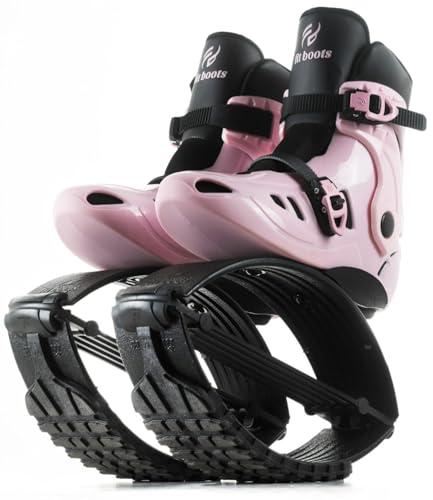
FIT BOOTS for Women Exercise - Premium Moon Shoes for Jumping, Kangaroo Shoes for Training, Cardio & Fun, Joint-Friendly, Rebounder Jumps Boots for Adults & Kids, Bouncy Workout (Pink-L-180/200Lbs)
Check price on Amazon
Women's Slouch Ankle Boots Round Toe Low Heel Zipper Booties Black | Cotton Inner Comfort, Smooth Side Closure Entry, Sturdy Posture Balance, Wide Feet Friendly Fit, Casual Streetwear Profile
Check price on Amazon
Women's Slouch Ankle Boots Round Toe Low Heel Zipper Booties Blue | Cotton Inner Comfort, Smooth Side Closure Entry, Sturdy Posture Balance, Wide Feet Friendly Fit, Casual Streetwear Profile
Check price on Amazon
Women's Slouch Ankle Boots Round Toe Low Heel Zipper Booties Orange | Cotton Inner Comfort, Smooth Side Closure Entry, Sturdy Posture Balance, Wide Feet Friendly Fit, Casual Streetwear Profile
Check price on Amazon
Women's Square Toe Boots Western Style Mid Heel Tall Biker Booties Black | Cotton Inner Comfort, Easy Shaft Entrance, Sturdy Posture Balance, Wide Calf Friendly Fit, Casual Streetwear Profile
Check price on Amazon
Women's Low Block Heel Boots Back Zipper Knee High Equestrian Boots Tan
Check price on AmazonFrequently Asked Questions
Can posture friendly boots really improve my posture? Yes, when chosen correctly. Boots that provide proper arch support, stable heel counters, and cushioning help maintain your feet in a neutral position, which supports proper alignment throughout your body.
How long does it take to adjust to posture friendly boots? Most people adjust within 1-2 weeks of regular wear. Start by wearing them for short periods and gradually increase duration. If you experience persistent discomfort, consult a healthcare professional.
Are posture friendly boots more expensive? Quality posture friendly boots typically range from $100 to $300. While they may cost more than basic footwear, the investment pays off through improved comfort, reduced pain, and better long-term foot health.
Can I add orthotics to my existing boots? Many boots have removable insoles that can be replaced with custom orthotics. However, not all boots are designed for this. Check that the boot has enough depth and a removable insole before adding orthotics.
What's the difference between posture friendly and orthopedic boots? While both support foot health, orthopedic boots are specifically designed for medical conditions and often prescribed by healthcare professionals. Posture friendly boots incorporate supportive features but are designed for general use.
Final Thoughts: Investing in Your Posture
Your choice of footwear has a profound impact on your overall health and well-being. Posture friendly boots are more than just comfortable shoes—they're an investment in your body's long-term alignment and function. By choosing boots with proper arch support, cushioning, and stability features, you're taking a proactive step toward better posture, reduced pain, and improved quality of life.
Whether you're standing all day at work, enjoying outdoor adventures, or simply want to feel better in your daily activities, the right posture friendly boots can make all the difference. Use this guide to make an informed decision, and don't hesitate to consult with foot health professionals if you have specific concerns.
Ready to take the next step? Explore our recommended posture friendly boots above, and browse our ergonomic boot guide for more information on supportive footwear options. Your feet—and your entire body—will thank you.