
Cold Weather Boots: The Complete Winter Buying Guide
Keep your feet warm, dry, and safe all winter long. Learn how to choose the perfect cold weather boots for snow, ice, and freezing temperatures.
SHOP WINTER BOOTSWhy Cold Weather Boots Matter: Ordinary footwear fails when temperatures drop below freezing. Cold weather boots are engineered with specialized insulation, waterproof membranes, and high-traction outsoles to protect your feet from frostbite, slips, and moisture. Whether you face light frost or heavy snow, the right pair keeps you comfortable and mobile all season.
What Makes a Boot a Cold Weather Boot?
Not every winter boot is built the same. True cold weather boots combine four critical technologies: thermal insulation, waterproofing, slip-resistant traction, and moisture management. Insulation materials like Thinsulate, PrimaLoft, or felt liners trap body heat while allowing moisture to escape. Waterproof membranes such as Gore-Tex or proprietary linings block snow and slush from entering. Aggressive rubber lug outsoles grip ice and packed snow, while breathable linings prevent sweat buildup that leads to cold, damp feet. If you are comparing different constructions, our boot styles overview explains how each type is built.
Understanding Temperature Ratings
Most cold weather boots carry a temperature rating that indicates the lowest temperature at which they remain effective. These ratings assume moderate activity, so if you are standing still for long periods, choose a boot rated 10 to 20 degrees lower than the expected temperature. Here is a quick reference guide:
| Temperature Range | Recommended Boot Type | Typical Insulation |
|---|---|---|
| Down to -25°F (-32°C) | Extreme cold / Arctic boots | 800g+ Thinsulate or removable felt liners |
| Down to -10°F (-23°C) | Heavy winter snow boots | 400g–600g insulation |
| Down to 10°F (-12°C) | Standard insulated winter boots | 200g–400g insulation |
| Down to 32°F (0°C) | Light winter / transitional boots | 100g–200g insulation |
For most urban commuters and casual wear, a boot rated to -10°F or -25°F provides ample warmth. If you need footwear for active outdoor work, explore our dedicated insulated boots guide for performance-specific recommendations.
Key Features to Look For
🧊 Waterproofing
Look for boots with sealed seams and waterproof membranes like Gore-Tex or DryVent. This prevents snowmelt and slush from soaking through. For heavy rain and wet snow, a dedicated pair of rain boots or waterproof boots may be a better fit.
🔥 Insulation
Thinsulate, PrimaLoft, and felt liners are the gold standard. Removable liners dry faster and can be replaced. For extreme conditions, consider snow boots with 600g+ insulation.
🦶 Traction & Grip
Aggressive rubber lugs with multi-directional treads bite into ice and packed snow. Vibram Arctic Grip and similar compounds stay flexible in freezing temperatures, unlike standard rubber.
🧦 Moisture Management
Breathable linings and moisture-wicking boot socks prevent sweat from cooling your feet. Pair with boot dryers to remove internal moisture overnight.
🛡️ Comfort & Support
Look for cushioned midsoles, arch support, and a secure heel lock. Memory foam boots offer plush comfort for all-day wear.
📏 Fit & Sizing
Cold weather boots should fit slightly loose to accommodate thick socks and allow air circulation. Follow our fit and measurement guide to avoid tight spots that restrict circulation.
Types of Cold Weather Boots
Different winter activities demand different boot designs. Choosing the right category ensures both comfort and performance:
- Snow Boots: Tall shafts, heavy insulation, and deep lugs for deep snow and sub-zero temperatures. Explore our full guide to snow boots.
- Insulated Work Boots: Built for job sites with safety toes and electrical hazard protection. See our work boots and steel toe boots guides.
- Winter Hiking Boots: Lighter than snow boots with crampon compatibility. Learn more in our hiking boots section.
- Casual Winter Boots: Stylish leather or suede designs with moderate insulation for city wear. Browse leather boots and ankle boots.
- Tactical & Military Winter Boots: Rugged, waterproof, and insulated for harsh environments. See tactical boots and military boots.
How to Choose the Right Pair for Your Needs
Start by identifying your primary use case. If you commute daily through slush and ice, prioritize waterproofing and traction. If you work outdoors in extreme cold, focus on insulation and safety ratings. For casual wear, style and weight matter more. Consider these factors:
- Activity level: Active wearers generate heat and need less insulation; stationary wearers need more.
- Duration outdoors: Long exposure requires higher insulation ratings and removable liners.
- Terrain: Ice demands aggressive traction; deep snow requires tall shafts and gaiters.
- Budget: Quality cold weather boots typically range from $100 to $300. Premium options from brands like Sorel, Baffin, and Muck Boot can exceed $300. Our budget boots and best value boots guides help you find the sweet spot.
Caring for Your Cold Weather Boots
Winter conditions are brutal on footwear. Salt stains, slush, and repeated freezing and thawing can degrade materials quickly. To extend the life of your boots:
- Rinse off salt and road grime after each wear with a damp cloth.
- Apply a waterproofing spray or conditioner regularly. See our waterproofing guide.
- Dry boots at room temperature, never near direct heat. Use boot dryers for safe, fast drying.
- Store with boot storage covers or in a cool, dry place.
- For leather boots, follow our leather cleaning and boot maintenance hub resources.
Common Mistakes to Avoid
- Buying too tight: Tight boots restrict circulation, making feet colder. Always size up for thick socks.
- Ignoring moisture: Sweat is the enemy of warmth. Choose breathable linings and moisture-wicking socks.
- Wearing cotton socks: Cotton holds moisture. Opt for wool or synthetic blends. See our boot socks guide.
- Skipping break-in: Even winter boots need a break-in period. Follow our break-in guide.
- Neglecting traction: Replace worn outsoles or add traction cleats for icy conditions. See sole replacement.
Best Cold Weather Boots for Winter
⚠️ AFFILIATE DISCLOSURE: This website contains affiliate links. As an affiliate Associate, we earn from qualifying purchases. If you make a purchase through these links, we may receive a small commission at no additional cost to you. Read our full affiliate policy.

NORTIV 8 Men's Waterproof Winter Snow Boots Insulated,Black,11 | Fur Liner Lightweight Outdoor Tall Boots QUEBEC-M
Check price on Amazon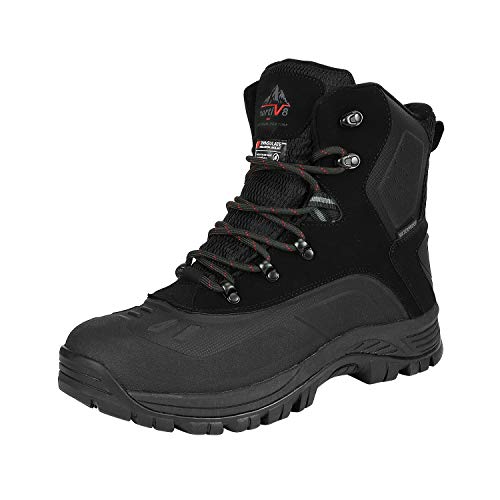
NORTIV 8 Men's Waterproof Hiking Winter Snow Boots,Black/1,11 | Insulated Construction Hunting Ski Work Boots TUNDRA
Check price on Amazon
Muck Arctic Pro Tall Rubber Insulated Extreme Conditions Men's Hunting Boots
Check price on Amazon
Columbia Mens Fairbanks Omni-Heat, Deep Olive/Desert Sun, 9 | Why We Like The Columbia Fairbanks Omni-Heat Boot
Check price on Amazon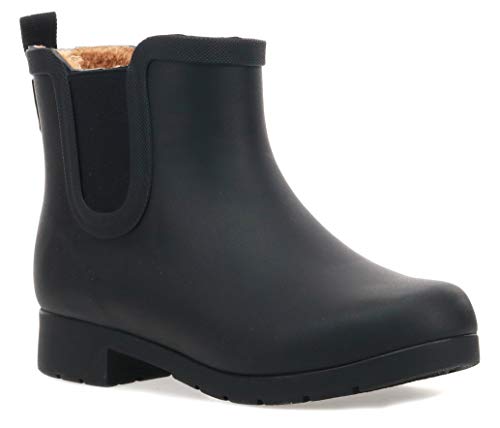
Chooka Women's Waterproof Plush Chelsea Bootie Chelsea Boot, Delridge Black, 8 M
Check price on Amazon
SHIBEVER Women's Winter Snow Boots: Waterproof Fur-Lined Ankle Booties | All-Day Warmth Anti-Slip Comfortable Outdoor Walking Boots with Side Zipper for Cold Weather Black Size 7
Check price on AmazonFrequently Asked Questions
How do I know if my boots are warm enough?
Check the temperature rating. Most manufacturers list a comfort rating (e.g., -25°F). Add 10–20 degrees of buffer for sedentary activities. If you plan to be stationary, choose a boot rated for colder temperatures than you expect. Layering with quality boot socks also adds warmth.
Are expensive winter boots worth it?
Premium boots typically offer better waterproofing, durability, and traction. Brands like Sorel, Baffin, and L.L.Bean carry warranties and last multiple seasons. However, excellent options exist in the $100–$200 range. See our price to quality guide for a detailed breakdown.
Can I wear cold weather boots indoors?
Insulated boots are designed for outdoor use and can cause feet to overheat indoors. Bring a change of shoes or choose transitional boots with removable liners and moderate insulation for indoor-outdoor versatility.
How should I store my winter boots in summer?
Clean and thoroughly dry your boots before storage. Apply conditioner or waterproofing spray, then store them in a cool, dry place away from direct sunlight. Use boot storage covers or stuff them with newspaper to maintain shape. Avoid plastic bags, which trap moisture.
Ready to Conquer Winter?
Find your perfect pair of cold weather boots and step confidently through snow, ice, and freezing temperatures.
SHOP TOP WINTER BOOTS