
Hiking Boots Shoes: Your Complete Trail Footwear Guide
Everything you need to know before buying hiking boots. From ankle support and waterproofing to sole types and break-in tips—make an informed decision for your next adventure.
View Recommended Hiking BootsWhy Hiking Boots Matter: The right hiking boots shoes can mean the difference between a breathtaking summit experience and a painful, blister-filled trek. Unlike regular sneakers, hiking boots are engineered for uneven terrain, load-bearing support, and protection against the elements. This guide walks you through every critical feature so you can choose with confidence.
What Makes Hiking Boots Different from Regular Shoes?
Hiking boots shoes are purpose-built for the trail. They feature stiffer midsoles for stability on rocky ground, deeper lugs for traction on mud and loose gravel, and higher ankle collars for joint support. Many models incorporate waterproof membranes like Gore-Tex, while others prioritize breathability for warm-weather hikes. Understanding these differences is the first step toward finding the right pair for your specific adventures.
If you're transitioning from casual footwear, you may want to explore our guide on durable walking boots for everyday comfort, or consider waterproof shoes for trekking if you frequently encounter wet conditions. For those who need extra ankle stability, climbing boots offer even more rigidity for technical terrain.
Key Features to Evaluate Before Buying
Ankle Support & Height
Mid-cut boots offer a balance of support and freedom, while high-cut boots provide maximum stability for heavy packs and rugged trails. Low-cut hiking shoes are lighter but offer less ankle protection.
Waterproofing vs Breathability
Waterproof membranes keep feet dry in rain and stream crossings but reduce breathability. For dry, hot climates, consider ventilated models. For wet, cold environments, waterproofing is essential.
Sole Type & Traction
Vibram soles are the gold standard for grip. Deep, aggressive lugs handle mud and loose terrain, while shallower lugs suit groomed trails. Rubber compounds vary in hardness and grip.
Weight & Materials
Leather boots are durable and supportive but heavier. Synthetic materials are lighter and dry faster. Full-grain leather offers the best longevity with proper care.
Fit & Sizing
Always size up a half size for hiking boots to accommodate swelling feet and thicker socks. Your heel should lock in place with minimal movement, and toes should have room to wiggle.
Break-In Period
Leather boots require a break-in period of 10-20 miles. Synthetic boots are often trail-ready out of the box. Never start a long hike in brand-new boots.
Hiking Boots vs Hiking Shoes: Pros & Cons
✓ Hiking Boots (Mid/High-Cut)
- Superior ankle support and stability
- Better protection on rocky, uneven terrain
- Ideal for heavy backpacks and multi-day treks
- More durable and longer-lasting
- Better waterproofing options
✗ Hiking Shoes (Low-Cut)
- Lighter and more breathable
- No break-in period required
- More affordable entry point
- Less ankle protection
- Not ideal for heavy loads or rugged trails
For those who prefer a more rugged aesthetic even off the trail, our outdoor boots collection blends trail-ready performance with everyday style. And if you're looking for footwear that handles both city streets and light trails, ranger boots offer a versatile middle ground.
Hiking Boots Comparison: Types & Best Uses
| Boot Type | Best For | Ankle Support | Weight | Price Range |
|---|---|---|---|---|
| Lightweight Hiking Shoes | Day hikes, groomed trails | Low | Lightest | $80–$150 |
| Mid-Cut Hiking Boots | Day hikes, moderate terrain | Medium | Moderate | $120–$250 |
| High-Cut Backpacking Boots | Multi-day treks, heavy loads | High | Heaviest | $200–$400 |
| Mountaineering Boots | Technical alpine terrain | Highest | Heavy | $300–$600+ |
| Trail Runners | Fast hiking, ultra-light trips | Minimal | Lightest | $100–$180 |
Recommended Hiking Boots Shoes
⚠️ AFFILIATE DISCLOSURE: This website contains affiliate links. As an affiliate Associate, we earn from qualifying purchases. If you make a purchase through these links, we may receive a small commission at no additional cost to you. Read our full affiliate policy.

NORTIV 8 Women's Waterproof Hiking Boots Trekking,Light Grey,8 | Lightweight Hiking Walking Trail Work Rain Camping Outdoor Slip Resistant Daily Boots Seeker
Check price on Amazon
NORTIV 8 Men's Ankle High Waterproof Hiking Boots,Brown/Black/Tan,12 | Outdoor Lightweight Hiking Boots for Camping, Trekking and Mountaineering Armadillo
Check price on Amazon
SHULOOK Men's Waterproof Hiking Boots Non-Slip Lightweight Mid Top Ankle Boot Breathable Hiker Trekking Shoes
Check price on Amazon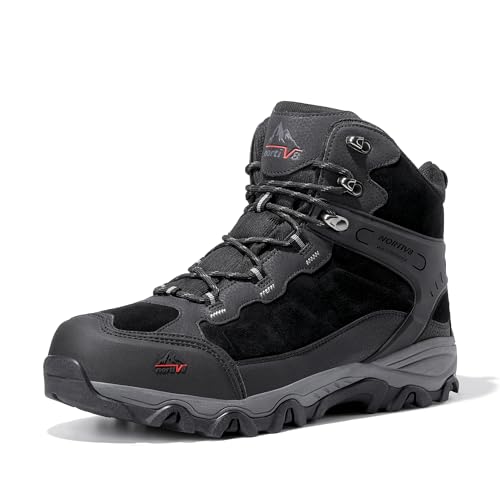
NORTIV 8 Men's Waterproof Lightweight Hiking Boots,Black,10.5 | Mid Top Suede Hiking Boots for Outdoor Trekking, Camping and Mountaineering Paladin
Check price on Amazon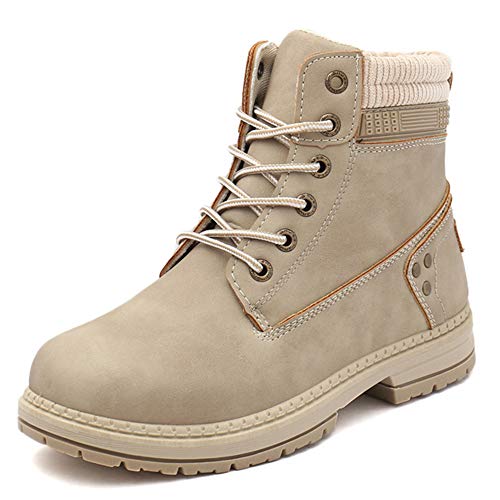
Athlefit Women's Lace-Up Work Hiking Combat Ankle Boots Khaki Size 8 | Waterproof Work Booties Shoes, Comfort Padded Collar, All-Weather Fit for Farm, Outdoor Camping & Daily Wear
Check price on Amazon
NORTIV 8 Women's Waterproof Hiking Boots,Light Grey/Pink,8 | Lightweight Mid-Cut Hiking Work Winter Rain Hunting Duck Boot Trail Camping Trekking Walking Comfortable Outdoor Boot
Check price on Amazon
NORTIV 8 Women's Waterproof Hiking Boots Trekking,Taupe,7.5 | Lightweight Hiking Walking Trail Work Rain Camping Outdoor Slip Resistant Daily Boots Seeker
Check price on Amazon
NORTIV 8 Women's Lightweight Ankle Hiking Boots,Khaki,8 | Breathable Materials Help Keep Feet Cool and Comfortable Flexible Construction Supports Natural Movement
Check price on AmazonHow to Choose the Right Hiking Boots for Your Needs
Start by defining your typical hiking environment. Casual day hikers on well-maintained trails will do fine with lightweight hiking shoes. If you carry a pack over rocky, steep terrain, invest in mid or high-cut boots with stiffer midsoles. For wet climates, prioritize waterproof membranes; for desert or summer hikes, breathability matters more.
Consider your foot shape as well. Wide feet benefit from brands with roomy toe boxes, while narrow feet need snugger fits. Custom insoles can dramatically improve comfort and support, especially if you have high arches or plantar fasciitis. For those who need extra durability for work or heavy use, durable work boots share many construction features with hiking boots but are optimized for job-site conditions.
Don't overlook the importance of proper socks. Merino wool socks regulate temperature, wick moisture, and reduce blisters. Pair them with your boots during fitting to ensure the best match. If you also enjoy running, our guide to sneakers for long-distance running covers footwear for a different kind of adventure.
Ready to Hit the Trail?
Explore our top-rated hiking boots shoes selection and find your perfect pair for the next adventure.
Shop Recommended Hiking BootsFrequently Asked Questions About Hiking Boots
Always size up a half size for hiking boots. Your feet swell during long hikes, and thicker socks take up extra room. Your toes should have about a thumb's width of space at the front to prevent toe bang on descents.
If you hike in wet climates, cross streams, or hike in cooler temperatures, waterproof boots are absolutely worth it. However, waterproof membranes reduce breathability, so for hot, dry climates, consider non-waterproof ventilated options.
Leather hiking boots typically require 10-20 miles of wear to break in properly. Synthetic boots often require little to no break-in. Start with short walks and gradually increase distance and load before attempting a long hike.
Vibram soles are widely considered the gold standard for hiking boots due to their exceptional grip and durability. Other quality sole brands include Contagrip (Salomon) and MegaGrip (Merrell). The best choice depends on the terrain you'll encounter most.
Yes, many people wear hiking boots for everyday use, especially in wet or cold weather. However, they are generally heavier and less flexible than casual boots or sneakers. If you want a hybrid option, look for light hikers or boots shoes for men that blend trail performance with urban style.
Final Thoughts on Choosing Hiking Boots Shoes
Investing in the right hiking boots shoes is one of the most important decisions you'll make as an outdoor enthusiast. Prioritize fit, support, and suitability for your typical terrain over brand names or aesthetics. A well-chosen pair will serve you faithfully for hundreds of miles, protecting your feet and enhancing every adventure.
Whether you're a weekend warrior or a seasoned thru-hiker, the perfect pair exists for your needs. Use this guide as your reference, read reviews, try on multiple models, and don't settle for anything less than a perfect fit.