Durable Walking Boots for Long-Distance Treks
Discover what makes walking boots last for hundreds of miles. Learn about construction, materials, and maintenance for maximum longevity.
Read More →
Discover how to choose the perfect waterproof trekking shoes. From membrane technology to breathability, we cover everything you need for a dry, comfortable hike.
EXPLORE TOP PICKSWhy Waterproof Matters: Wet feet are not just uncomfortable—they can lead to blisters, fungal infections, and even hypothermia in cold conditions. Whether you're crossing streams, hiking in rain, or trekking through dew-covered grass, the right waterproof shoes are essential for safety and performance.
Waterproof shoes for trekking are engineered to keep moisture out while allowing your feet to breathe. Unlike casual waterproof sneakers, trekking-specific footwear combines waterproof membranes with rugged outsoles, protective toe caps, and ankle support. The key is finding the right balance between waterproofing and breathability—because a shoe that keeps water out but traps sweat inside can be just as problematic.
Modern waterproof trekking shoes use advanced materials like Gore-Tex and eVent membranes, which are designed to block external water while allowing internal moisture vapor to escape. These technologies have revolutionized outdoor footwear, making it possible to hike comfortably in wet conditions without the dreaded "swamp foot."
Look for shoes with Gore-Tex, eVent, or proprietary waterproof membranes. These materials have microscopic pores that block water droplets but allow sweat vapor to escape. This is the single most important feature for keeping your feet dry.
A waterproof shoe that doesn't breathe will leave your feet soaked from sweat. Look for shoes with breathable mesh panels and moisture-wicking linings. The best waterproof trekking shoes balance protection with ventilation.
Wet trails, muddy paths, and slippery rocks demand aggressive outsoles. Look for deep lugs and sticky rubber compounds from brands like Vibram. The hiking boots and shoes with multi-directional lugs perform best on varied terrain.
For trekking, mid-height shoes offer the best balance of support and freedom. They protect against ankle rolls on uneven ground while remaining light enough for long distances. Consider high ankle boots for rocky terrain.
A sturdy toe cap protects against rocks and roots. Look for rubber toe bumpers or reinforced leather. This is especially important on technical trails where you might accidentally kick obstacles.
Every ounce counts on the trail. Lightweight waterproof trekking shoes reduce fatigue and allow faster movement. Modern materials make it possible to get both protection and low weight.
Understanding the different waterproofing technologies will help you make an informed decision. Here's how the most common materials compare:
| Material | Waterproofing | Breathability | Durability | Price Range |
|---|---|---|---|---|
| Gore-Tex | Excellent | Excellent | Very Good | $150–$250 |
| eVent | Excellent | Excellent | Very Good | $140–$240 |
| Proprietary Membranes | Very Good | Good | Good | $100–$180 |
| Waterproof Leather | Very Good | Moderate | Excellent | $120–$300 |
| Water-Repellent Synthetics | Good | Very Good | Moderate | $80–$150 |
⚠️ AFFILIATE DISCLOSURE: This website contains affiliate links. As an affiliate Associate, we earn from qualifying purchases. If you make a purchase through these links, we may receive a small commission at no additional cost to you. Read our full affiliate policy.

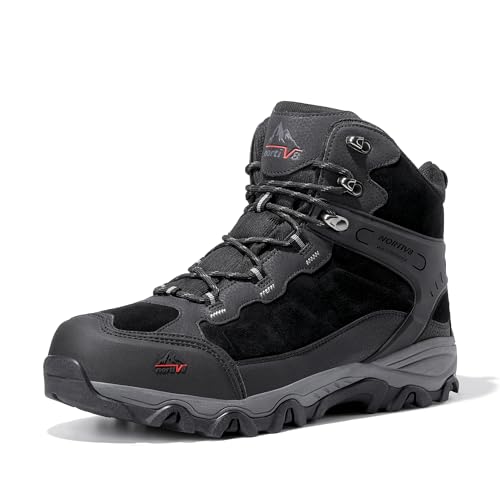


Selecting the perfect pair depends on several factors unique to your trekking style and environment. First, consider the terrain you'll encounter most often. If you're tackling rocky, technical trails, prioritize ankle support and aggressive traction. For well-maintained paths and light trails, a lower-cut, lighter shoe may suffice.
Climate plays a crucial role. In hot, humid environments, breathability becomes paramount—look for shoes with minimal waterproofing or highly breathable membranes. In cold, wet climates, prioritize waterproofing and insulation. The steel toe shoes are excellent for rugged terrain, though they're heavier than dedicated trekking footwear.
Fit is non-negotiable. Your trekking shoes should have a thumb's width of space between your longest toe and the front of the shoe. This prevents toe bang on descents and allows for foot swelling during long hikes. Always try shoes with the socks you plan to wear on the trail. For women, ladies trekking boots are specifically designed with narrower lasts and appropriate support.
To maintain waterproof performance, regular care is essential. After each trek, clean mud and dirt with a soft brush and lukewarm water. Avoid harsh detergents that can damage waterproof membranes. For leather boots, apply a waterproofing treatment periodically to maintain the material's natural water resistance.
Never dry your shoes near direct heat sources like radiators or campfires—this can crack leather and damage membranes. Instead, air-dry them at room temperature, stuffing them with newspaper to absorb moisture. Store them in a cool, dry place away from direct sunlight. For more detailed care instructions, see our boot polish guide and waterproofing guide.
Discover what makes walking boots last for hundreds of miles. Learn about construction, materials, and maintenance for maximum longevity.
Read More →From ultralight trail runners to rugged mountaineering boots, explore the full spectrum of hiking footwear and find your ideal pair.
Read More →When trekking turns to scrambling and climbing, you need specialized footwear. Learn what to look for in climbing boots.
Read More →Investing in quality waterproof shoes for trekking is one of the best decisions you can make for your outdoor adventures. The right pair will keep you comfortable, safe, and focused on the journey rather than your feet. Remember to prioritize fit, consider your specific trekking environment, and maintain your shoes properly to extend their lifespan.
Whether you're a weekend warrior or a seasoned thru-hiker, there's a perfect waterproof trekking shoe for you. Use the guide above to narrow down your options, then check out our recommended products to find your next pair. Your feet will thank you on every mile of the trail.
The information provided on BootsPedia is for educational and informational purposes only. We are not professional footwear specialists or cobblers, and our content should not replace professional advice. Always consult with a qualified expert regarding fit, safety, or material-related concerns. Some content may use AI assistance. Always check product warranties and safety standards before purchasing. If you do not agree, please do not use this website. Read the full disclaimer.