
Ladies Trekking Boots: The Complete Buying Guide
Discover how to choose the perfect trekking boots for women. From fit and support to waterproofing and style, we cover everything you need for your next adventure.
VIEW TOP PICKSWhy Trust BootsPedia? We combine expert knowledge with real-world testing to bring you unbiased recommendations. Our guides are designed to help you make informed decisions, whether you're a weekend walker or a seasoned trekker.
Why the Right Trekking Boots Matter
Investing in a high-quality pair of ladies trekking boots is one of the most important decisions you can make for your outdoor comfort and safety. Unlike regular sneakers or casual footwear, trekking boots are engineered to provide ankle support, protect against rough terrain, and keep your feet dry in unpredictable weather. For women, finding the right pair is especially crucial because women's feet often have a narrower heel and a wider forefoot, requiring a specific fit that many unisex boots fail to deliver.
Whether you're planning a multi-day hike in the mountains or a leisurely nature walk, the wrong boots can lead to blisters, fatigue, and even injury. That's why we've created this comprehensive guide. We'll walk you through the key features to look for, how to get the perfect fit, and which models stand out in today's market. By the end, you'll be confident in choosing the best waterproof shoes for trekking that match your needs.
Key Features to Look for in Ladies Trekking Boots
When shopping for trekking boots, don't be swayed by looks alone. The technical specifications determine how well the boot performs on the trail. Here are the essential features to evaluate:
1. Ankle Support and Stability
Good ankle support is non-negotiable for trekking. Look for boots with a high-cut design and a stiff shank. This helps prevent rolling your ankle on uneven ground. For women, boots with a narrower heel cup provide better lockdown and reduce slipping. If you need extra stability, consider models with a composite toe for protection without the weight of steel.
2. Waterproofing and Breathability
Weather can change quickly outdoors, so waterproofing is vital. Membranes like Gore-Tex or eVent keep water out while allowing sweat vapor to escape. However, no boot is completely breathable, so balance is key. For wet conditions, a waterproof trekking shoe is ideal. If you often trek in hot, dry climates, a more breathable, non-waterproof boot might be better.
3. Sole and Traction
The outsole is what grips the ground. Look for deep, multi-directional lugs made from sticky rubber. Vibram soles are a gold standard for traction on mud, rocks, and loose gravel. A sturdy midsole also provides cushioning and protects against sharp rocks. For added durability, some boots feature a Goodyear welt construction, which also allows for resoling.
4. Fit and Comfort
Fit is personal, but there are universal rules. Your heel should be locked in with minimal movement, and your toes should have about a thumb's width of space at the front. Women-specific lasts often accommodate a narrower heel and a higher arch. Always try boots on with the socks you plan to wear. If you have wide feet, look for wide fit boots. A boot remover can help you get them off easily after a long day.
5. Weight and Materials
Lighter boots reduce fatigue, but they may sacrifice durability and support. Leather is durable and water-resistant but heavier. Synthetic materials are lighter and dry faster. For a balance, consider nubuck or split-grain leather. The round toe design is common and offers ample room.
How to Get the Perfect Fit for Women's Trekking Boots
Getting the right fit is more art than science, but these steps will guide you:
- Measure your feet: Do this at the end of the day when feet are largest. Measure both feet and use the larger size.
- Try on with socks: Wear the same thickness of socks you'll use on the trail. Merino wool is a great choice for moisture management.
- Check heel lock: Lace up and walk around. Your heel should not lift more than a tiny amount. If it does, try a different lacing technique or a different model.
- Test toe room: Kick your toes against a wall. Your toes should not hit the front. You need space for your feet to swell during long descents.
- Consider orthotics: If you use custom insoles, bring them when trying on boots. Some boots have removable footbeds to accommodate them. For additional comfort, a boot jack can be a handy accessory.
Remember, a good fit should feel snug but not tight, with no pressure points. If you're between sizes, it's often better to size up. You can always adjust with thicker socks or insoles.
Best Ladies Trekking Boots for Your Next Adventure
⚠️ AFFILIATE DISCLOSURE: This website contains affiliate links. As an affiliate Associate, we earn from qualifying purchases. If you make a purchase through these links, we may receive a small commission at no additional cost to you. Read our full affiliate policy.
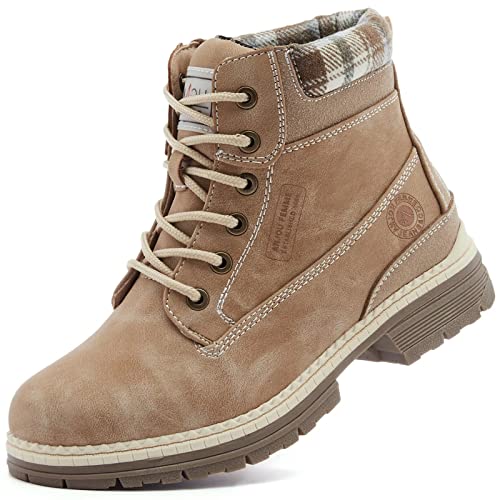
ANJOUFEMME Outdoor Hiking Boots for Women Waterproof - Womens Ankle Boots Lightweight Snow Winter Boots for Trekking Walking
Check price on Amazon
NORTIV 8 Women's Lightweight Ankle Hiking Boots Backpacking,Orange,7.5 | Waterproof Hiking Walking Trekking Work Camping Comfortable Slip-Resistant Outdoor Boots
Check price on Amazon
NORTIV 8 Women's Waterproof Hiking Boots,Light Grey/Pink,8 | Lightweight Mid-Cut Hiking Work Winter Rain Hunting Duck Boot Trail Camping Trekking Walking Comfortable Outdoor Boot
Check price on Amazon
R CORD Womens Hiking Boots Waterproof Hiking Sneakers Outdoor Trail Trekking Boots Hiking Boots Womens Blue Size 8
Check price on Amazon
R CORD Womens Hiking Boots Trekking Hiking Boots for Women Durable Hiking Boots Outdoor Boots Brown Size 9
Check price on Amazon
R CORD Womens Hiking Boots Waterproof Backpacking for Outdoor Trekking Camping Trail Hiking Boots Black Size 7
Check price on Amazon
Manfen Women's Dimo Mid Waterproof Hiking Boots
Check price on AmazonExpert Tips for Buying Ladies Trekking Boots
Before you click "add to cart," keep these tips in mind:
- Break them in: Never take brand-new boots on a long trek. Wear them around the house and on short walks to soften the leather and mold them to your feet. For stubborn boots, a boot remover can help.
- Match boots to terrain: Lightweight low-cut boots are fine for easy trails. For rocky, steep, or multi-day treks, choose mid- or high-cut boots with stiffer soles.
- Consider the season: For winter trekking, look for insulated and waterproof models. For summer, prioritize breathability. A waterproof trekking shoe is a versatile choice for unpredictable weather.
- Check the return policy: Even with careful fitting, some boots just don't work out. Buy from retailers with a good return policy.
- Maintain your boots: Clean and condition them regularly to extend their life. Use a boot polish for leather models.
Related Guides for Outdoor Enthusiasts
If you're gearing up for your next adventure, you might also find these guides helpful. Whether you're looking for durable walking boots for everyday use or need sneakers for long-distance running, we've got you covered. For those who need safety footwear on the job, explore our safety footwear resources, including steel toe shoes for women and durable work boots. And if you're hitting the trails, don't miss our guide to hiking boots and shoes.
For casual wear, you might like our articles on casual boots for women or fashion boots. And when the weather turns, check out cute rain boots and black rain boots.
Disclaimer
The information provided on BootsPedia is for educational and informational purposes only. We are not professional footwear specialists or cobblers, and our content should not replace professional advice. Always consult with a qualified expert regarding fit, safety, or material-related concerns. Some content may use AI assistance. Always check product warranties and safety standards before purchasing. If you do not agree, please do not use this website. Read the full disclaimer.