
Composite Toe Boots: The Complete Guide to Non-Metallic Safety Footwear
Discover why composite toe boots are the preferred choice for professionals seeking lightweight, comfortable, and reliable protection without the drawbacks of steel.
View Recommended Composite Toe BootsWhat You'll Learn: This comprehensive guide covers everything you need to know about composite toe boots — from how they compare to steel toe alternatives, to safety standards, comfort benefits, and how to choose the perfect pair for your work environment.
What Are Composite Toe Boots?
Composite toe boots are a type of safety footwear that feature a protective toe cap made from non-metallic materials such as carbon fiber, plastic, or Kevlar. Unlike traditional steel toe boots, composite toe caps do not contain any metal, making them an excellent choice for workers who need to pass through metal detectors or work in environments where metal conductivity is a concern.
The composite toe cap is designed to absorb and distribute impact energy, providing the same level of protection as steel toes while offering distinct advantages in weight, temperature resistance, and comfort. If you're looking for durable footwear that combines safety with all-day wearability, composite toe boots are worth serious consideration.
Whether you work in construction, manufacturing, logistics, or electrical environments, understanding the differences between steel toe shoes for women and composite alternatives can help you make an informed decision. For those who need maximum durability in demanding conditions, exploring options like durable work boots with composite toes can be a game-changer.
How Does a Composite Toe Work?
Composite toe caps are engineered using advanced materials that are both strong and lightweight. The most common materials include:
- Carbon Fiber: Offers exceptional strength-to-weight ratio, making it ideal for high-performance safety footwear.
- Fiberglass: A cost-effective option that provides reliable protection without the weight of steel.
- Kevlar: Known for its superior impact resistance and heat insulation properties.
- Plastic Polymers: Durable and lightweight, often used in combination with other materials.
These materials are molded into a toe cap shape that meets or exceeds safety standards such as ASTM F2413. When impact occurs, the composite material disperses the force across a wider area, protecting your toes from injury. Unlike steel, composite materials do not conduct electricity or heat, making them safer in electrical work environments and more comfortable in extreme temperatures.
For workers who need reliable protection in varied conditions, composite toe boots offer a versatile solution. If you're also considering footwear for specific activities, you might explore options like climbing boots or outdoor boots that can complement your safety footwear collection.
Composite Toe vs. Steel Toe: Key Differences
Choosing between composite and steel toe boots depends on your specific work environment and personal preferences. Here's a detailed comparison to help you decide:
| Feature | Composite Toe | Steel Toe |
|---|---|---|
| Weight | Lighter — ideal for all-day wear | Heavier — can cause fatigue |
| Temperature Resistance | Does not conduct heat or cold | Conducts temperature — can be uncomfortable |
| Electrical Conductivity | Non-conductive — safer for electrical work | Conductive — not ideal near live circuits |
| Metal Detection | Passes through metal detectors | Triggers metal detectors |
| Protection Level | Meets ASTM F2413 standards | Meets ASTM F2413 standards |
| Durability | Excellent — resistant to dents and corrosion | Excellent — but can dent and rust over time |
| Price Range | $80–$250 | $60–$200 |
For many workers, the lightweight and non-conductive properties of composite toe boots make them the superior choice. If you're looking for additional options in protective footwear, you might also consider men's steel toe shoes or steel toe sneakers depending on your specific needs.
Advantages and Disadvantages of Composite Toe Boots
✓ Advantages
- Significantly lighter than steel toe boots
- Do not conduct heat or cold — comfortable in all climates
- Non-metallic — ideal for electrical work and metal detectors
- Resistant to corrosion and rust
- Often more comfortable for all-day wear
- Do not dent permanently like steel
- Better for workers with metal allergies
✗ Disadvantages
- Typically more expensive than steel toe boots
- Bulkier appearance in some styles
- May degrade over time with extreme temperature exposure
- Less commonly available in some specialty styles
- Can be thicker, affecting fit in some cases
Who Should Wear Composite Toe Boots?
Composite toe boots are an excellent choice for a wide range of professionals and industries. You should consider composite toe footwear if you:
- Work in electrical environments: Non-conductive materials reduce the risk of electrical shock.
- Pass through metal detectors regularly: Ideal for airport workers, security personnel, and certain government roles.
- Work in extreme temperatures: Composite toes don't get hot or cold like steel.
- Are on your feet all day: Lighter weight reduces fatigue during long shifts.
- Have metal allergies: Composite materials are hypoallergenic.
- Work in wet or humid environments: Composite toes won't rust or corrode.
For those who need footwear that combines safety with specific performance features, exploring options like non-slip sneakers for work or durable walking boots can provide additional comfort and functionality.
Safety Standards and Certifications
When purchasing composite toe boots, it's essential to verify that they meet the relevant safety standards. In the United States, the primary standard is ASTM F2413, which specifies requirements for impact and compression resistance.
Key ratings to look for include:
- I/75: Impact resistance rated for 75 foot-pounds of force.
- C/75: Compression resistance rated for 2,500 pounds of force.
- EH: Electrical Hazard protection.
- PR: Puncture resistance.
- MT: Metatarsal protection.
Always check the product specifications to ensure your chosen footwear meets the standards required for your workplace. For comprehensive safety footwear options, you might also explore safety footwear guides that cover various protection levels.
How to Choose the Right Composite Toe Boots
Selecting the perfect pair of composite toe boots involves considering several factors:
1. Fit and Comfort
Proper fit is crucial for safety and comfort. Composite toe caps can be slightly bulkier than steel, so try on boots with the socks you'll wear on the job. Look for boots with good arch support and cushioning. If you need extra support, consider adding insoles or exploring arch support guide resources.
2. Material and Durability
Choose boots made from high-quality materials like full-grain leather or durable synthetics. The construction should be sturdy, with reinforced stitching and quality soles. For those who need maximum durability, durable work boots with composite toes are an excellent investment.
3. Safety Ratings
Ensure the boots meet the safety standards required for your specific work environment. Check for ASTM ratings and any additional certifications like EH or PR.
4. Intended Use
Consider the specific demands of your job. If you work in wet conditions, look for waterproof options. If you're in construction, prioritize slip resistance and puncture protection.
Caring for Your Composite Toe Boots
Proper maintenance extends the life of your composite toe boots and ensures they continue to provide reliable protection. Here are some essential care tips:
- Clean regularly: Remove dirt and debris with a soft brush and mild soap.
- Condition leather: Use appropriate leather conditioners to prevent cracking and maintain flexibility.
- Waterproof: Apply waterproofing treatments to protect against moisture.
- Store properly: Keep boots in a dry, well-ventilated area away from direct heat.
- Inspect for damage: Regularly check for cracks, worn soles, or damage to the toe cap.
For more detailed care instructions, you might find resources on boot polish and general footwear maintenance helpful. If you need to remove your boots frequently, a boot remover or bootjack can make the process easier.
Recommended Composite Toe Boots
⚠️ AFFILIATE DISCLOSURE: This website contains affiliate links. As an affiliate Associate, we earn from qualifying purchases. If you make a purchase through these links, we may receive a small commission at no additional cost to you. Read our full affiliate policy.

New Balance Fresh Foam Cremorne Composite Toe Safety Shoes for Men - Non Slip, Electrical Hazard - Black/Grey, Low Rise
Check price on Amazon
HEYDUDE Men's Wally Work CT, Black/Black, Size 10 | Composite Safety Toe, ASTM F2413 Compliant, EH Rated, Reflective Safety Stripe, No Tie Elastic Laces, Metal Free Construction
Check price on Amazon
Steel Toe Shoes for Men Slip On Safety Shoes for Men Work Loafers All Black | Composite Toe Shoes,Lightweight,Comfortable,Breathable,Cushioning,Walking,Construction,Warehouse,Factory,Office,Casual,Dress
Check price on Amazon
Wolverine Men'sOverpass 6" Mid Composite Toe Waterproof Work Boot, Summer Brown, 10 Medium
Check price on Amazon
IRONDUDE Composite Toe Shoes for Men Black Steel Toe Shoes Comfortable Non Slip Work Shoes for Protection Against Accidents or Injury Breathable Lightweight Construction Safety Sneakers Puncture Proof
Check price on Amazon
Steel Toe Shoes for Men Women , Black Work Shoes, Men Size 6 / Women 7.5 | Indestructible Comfortable Safety Sneakers, Lightweight Breathable Construction Shoes, Puncture Proof Ergonomic Design
Check price on Amazon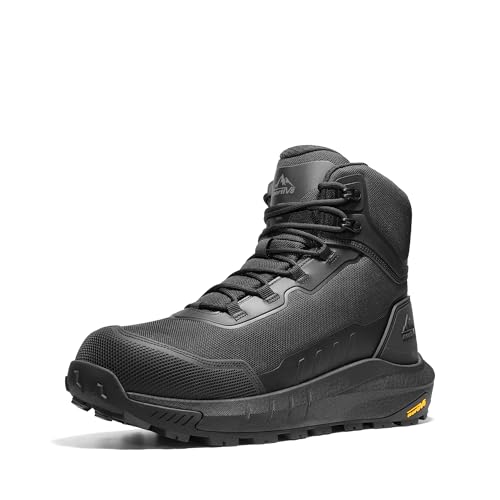
NORTIV 8 Men's Composite Toe Work Boots Slip Resistant,Black,10.5 | ASTM F2413-24 Safety Work Boots with Zipper Lightweight Comfort for all-day work for Warehouse Construction, Terrascope-nano
Check price on AmazonFrequently Asked Questions About Composite Toe Boots
Final Thoughts: Are Composite Toe Boots Right for You?
Composite toe boots offer an excellent combination of safety, comfort, and versatility. Whether you're working in electrical environments, passing through metal detectors, or simply want a lighter, more comfortable alternative to steel toe boots, composite toe footwear is a smart choice.
When selecting your pair, prioritize fit, safety certifications, and material quality. With the right composite toe boots, you can enjoy reliable protection without sacrificing comfort or mobility. Explore our recommended products above to find the perfect pair for your needs, and don't forget to check out our other guides on safety footwear and durable work boots for more options.
For those who need footwear for specific activities or styles, BootsPedia offers comprehensive resources on everything from hiking boots to fashion boots. Whatever your footwear needs, we're here to help you make informed decisions.