
Lightweight Boots: The Complete Guide to Comfort, Performance & Style
Discover how modern lightweight boots deliver all-day comfort without sacrificing durability, protection, or style. Compare materials, features, and top picks for work, hiking, and everyday wear.
Explore Top PicksWhy lightweight boots matter: Traditional boots can weigh you down, causing fatigue, blisters, and slower movement. Modern lightweight boots use advanced materials and construction techniques to cut weight by 30–50% while maintaining the support and protection you need. Whether you're on a job site, hiking a trail, or navigating city streets, the right lightweight pair can transform your daily experience.
What Makes a Boot Lightweight?
Lightweight boots typically weigh between 1 and 2 pounds per boot, compared to 3–4 pounds for traditional leather work boots. This weight reduction comes from three key areas: upper materials, midsole construction, and outsole design.
1. Upper Materials
The upper is the part of the boot that covers your foot and ankle. Traditional boots use thick full-grain leather, which is durable but heavy. Lightweight boots often use full-grain leather in thinner cuts, synthetic mesh, nylon, or engineered textiles. These materials shed grams while still offering breathability and water resistance.
2. Midsole Construction
The midsole provides cushioning and support. Lightweight boots use EVA (ethylene-vinyl acetate) foam, polyurethane, or proprietary foams that are lighter than traditional rubber or dense foam. Some models incorporate orthopedic work boots design principles to maintain arch support without bulk.
3. Outsole Design
The outsole is the bottom of the boot that contacts the ground. Lightweight boots use thinner rubber or composite outsoles with strategic lug patterns. They may sacrifice some extreme durability for weight savings, but modern compounds still offer excellent traction and abrasion resistance.
Lightweight Boot Materials Compared
Choosing the right material depends on your intended use. Here's how the most common lightweight boot materials stack up:
Mesh & Synthetic Textiles
Best for: Hiking, travel, warm weather
Weight: Lightest (1–1.5 lbs)
Breathability: Excellent
Water resistance: Low to moderate
Durability: Moderate
Nubuck & Suede
Best for: Everyday wear, casual style
Weight: Light (1.5–2 lbs)
Breathability: Good
Water resistance: Moderate (treatable)
Durability: Good
Thin Full-Grain Leather
Best for: Work, dress, durability
Weight: Moderate (2–2.5 lbs)
Breathability: Moderate
Water resistance: Good
Durability: Excellent
Pro Tip: If you need waterproof protection without the weight, look for boots with a waterproof membrane (like Gore-Tex or similar) combined with a synthetic upper. These offer the best balance of weather protection and low weight.
Key Benefits of Lightweight Boots
Reduced Fatigue Lighter boots require less energy to lift with each step. Over a full day, this can mean the difference between finishing strong and dragging your feet.
Better Agility Whether you're navigating a rocky trail or a busy job site, lightweight boots let you move faster and more naturally.
Less Blister Risk Lighter boots create less friction and heat buildup, reducing the chance of blisters during long wear periods.
Breathability Many lightweight boots use breathable materials that keep feet cooler and drier, especially important in warm climates.
Faster Break-In Lightweight materials and softer constructions typically require less time to break in than stiff leather boots.
Travel-Friendly If you're packing for a trip, lightweight boots take up less luggage weight allowance and are easier to carry.
Choosing Lightweight Boots by Use Case
Lightweight Work Boots
Modern work environments often demand mobility. Lightweight work boots may include safety toes, puncture-resistant plates, and electrical hazard protection while weighing significantly less than traditional options. If you need metatarsal protection, look for metatarsal footwear designed with lightweight composites. For those who prefer easy on-and-off, pull-on work boots offer convenience without extra weight. Warehouse workers, electricians, and supervisors often benefit most from lightweight work boot designs.
Lightweight Hiking Boots
Hiking is where lightweight boots truly shine. Carrying less weight on your feet reduces fatigue on long trails. Many thru-hikers and day hikers now choose lightweight hiking boots or trail shoes over traditional heavy leather boots. If you're hiking with kids, check out kids hiking shoes that are designed to be light and comfortable for smaller feet. For men seeking trail-ready options, good hiking boots for men often include lightweight models.
Lightweight Everyday & Casual Boots
For daily wear, lightweight boots offer comfort for commuting, errands, and social outings. Styles like everyday boots prioritize comfort and versatility. Chelsea boots are a classic choice — see brown Chelsea boots for men for a timeless option. Women may prefer chocolate brown booties or nude boots that pair easily with multiple outfits. For a modern touch, stretch leather boots offer a sleek fit with lightweight construction.
Lightweight Winter & Cold Weather Boots
Winter boots don't have to be heavy. Modern insulated lightweight boots use synthetic insulation and lightweight waterproof materials. Look for cold weather boots waterproof options that keep feet warm and dry without the bulk. Waterproof women's snowboots and tall winter snow boots for women are available in lightweight designs. For those who want the warmest options, warmest winter snow boots for women can still be surprisingly light.
Lightweight Western & Fashion Boots
Western boots have embraced lightweight construction too. Western ankle boots for men and western shoes for women now come in lighter materials. If you love the cowboy aesthetic but want less weight, explore cowhide boots for women or square toe leather boots. For a playful twist, sexy cowgirl boots and luxury cowgirl boots can be found in lightweight designs.
Lightweight Boots for Specific Activities
Motorcycle riders can benefit from motorcycle riding shoes that are lighter than traditional riding boots. For equestrian activities, horse riding shoes and boots for horses (bell boots) are available in lightweight materials. Even moto-x boots have lightweight models for competitive riders.
Lightweight Boots vs. Traditional Boots
Here's a quick comparison to help you decide if lightweight boots are right for you:
| Feature | Lightweight Boots | Traditional Boots |
|---|---|---|
| Weight (per boot) | 1–2 lbs | 2.5–4+ lbs |
| Break-in period | Minimal (days) | Extended (weeks) |
| Breathability | High | Low to moderate |
| Durability | Good (varies by material) | Excellent |
| Support | Moderate to good | Excellent |
| Best for | Hiking, everyday, travel, light work | Heavy work, extreme conditions |
| Price range | $80–$250 | $150–$500+ |
Best Lightweight Boots to Buy Today
⚠️ AFFILIATE DISCLOSURE: This website contains affiliate links. As an affiliate Associate, we earn from qualifying purchases. If you make a purchase through these links, we may receive a small commission at no additional cost to you. Read our full affiliate policy.
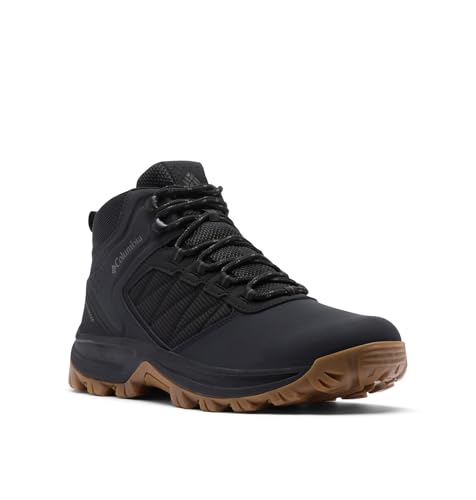
Columbia Men's Transverse Waterproof Hiking Boot, Black/Black, 7.5
Check price on Amazon
SHULOOK Men's Waterproof Hiking Boots Non-Slip Lightweight Mid Top Ankle Boot Breathable Hiker Trekking Shoes
Check price on Amazon
NORTIV 8 Men's Ankle High Waterproof Hiking Boots,Brown/Black/Tan,10 | Outdoor Lightweight Hiking Boots for Camping, Trekking and Mountaineering Armadillo
Check price on Amazon
Skechers Men's Respected Boswell Boot - Cdb - 11 Medium
Check price on Amazon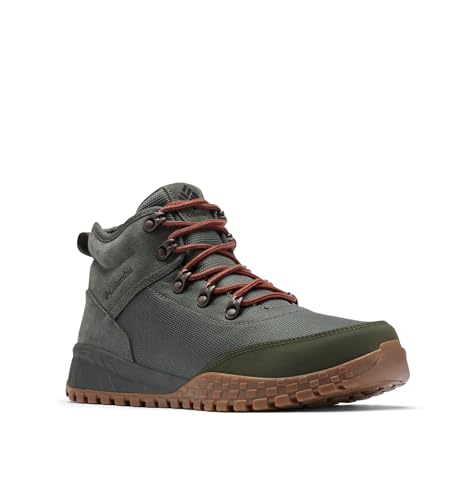
Columbia Mens Fairbanks Mid, Gravel/Dark Moss, 8 | Why We Like The Columbia Fairbanks Mid Boot
Check price on Amazon
NORTIV 8 Men's Ankle High Waterproof Hiking Boots,Taupe-Suede,10 | Outdoor Lightweight Hiking Boots for Camping, Trekking and Mountaineering Armadillo
Check price on Amazon
HEYDUDE Men's Bradley II Classic Pull On Boot, Argan Oil/Multi, Size 9 | Elastic Laces With Lace Keeper, Removable Foam Insole, Plaid Inner Lining, Durable Rubber Traction Outsole, Easy On System
Check price on Amazon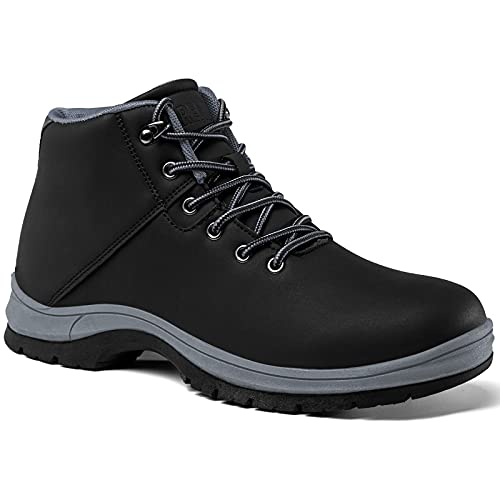
CARENURSE Mens Lightweight Hiking Boots Water Resistant Mid Ankle Work Casual Hiker Trekking Outdoor Boots Anti Slip Hiking Shoes
Check price on AmazonCaring for Your Lightweight Boots
Lightweight boots require slightly different care than traditional heavy leather boots. Here are key tips to extend their lifespan:
- Clean regularly: Use a soft brush or boot scrubber to remove dirt and debris after each use.
- Condition leather: If your boots have leather components, apply a lightweight conditioner. Avoid over-oiling, which can weigh down the material — see our guide on oiling boots for best practices.
- Waterproof properly: Use a spray-on waterproofing agent designed for synthetic and leather materials. For suede, check out waterproof suede treatments.
- Dry naturally: Never use direct heat to dry lightweight boots. Stuff them with newspaper and let them air dry at room temperature.
- Store smart: Use boot storage covers or a breathable bag to protect them from dust and moisture.
- Replace insoles: Lightweight boots often benefit from aftermarket insoles. Consider heel cushions or arch support inserts for added comfort.
Frequently Asked Questions About Lightweight Boots
Are lightweight boots as durable as traditional boots?
It depends on the material and construction. High-quality lightweight boots from reputable brands can be very durable, but they may not last as long as heavy full-grain leather work boots under extreme conditions. For most everyday and moderate work use, lightweight boots offer excellent durability.
Can lightweight boots be waterproof?
Yes. Many lightweight boots use waterproof membranes or treated materials to keep feet dry. Look for boots labeled waterproof or water-resistant. Models like waterproof duck boots and waterproof women's snowboots combine lightweight design with weather protection.
Are lightweight boots good for plantar fasciitis?
They can be, especially if they offer good arch support and cushioning. Some lightweight boots are designed specifically with orthopedic features. Adding aftermarket insoles can further improve support.
What is the average weight of a lightweight boot?
Most lightweight boots weigh between 1 and 2 pounds per boot for a men's size 9. Some ultra-light models weigh under 1 pound, while lightweight work boots may be closer to 2 pounds.
Do lightweight boots require a break-in period?
Generally, no. Lightweight boots made from synthetic materials or soft leather often require minimal to no break-in. However, some leather models may still benefit from a short break-in period.
Can I use lightweight boots for heavy construction work?
It depends on the specific job requirements. Some lightweight work boots meet safety standards (steel toe, puncture resistance, etc.) and are suitable for many construction tasks. However, for extreme conditions or heavy-duty applications, traditional heavier boots may be more appropriate.
Ready to Lighten Your Step?
Browse our curated selection of top-rated lightweight boots for work, hiking, and everyday wear. Find your perfect pair and experience the difference that lightweight comfort makes.
Shop Lightweight Boots