
Good Hiking Boots for Men: Trail-Tested Guide
Everything you need to know before buying men's hiking boots — fit, support, materials, and real-world performance. Find the perfect pair for your next adventure.
SEE TOP PICKSWhy the right hiking boots matter: A good pair of hiking boots is the foundation of every great trail day. Unlike casual footwear, hiking boots must handle uneven terrain, variable weather, and long miles without causing blisters or fatigue. This guide breaks down exactly what to look for in men's hiking boots — from ankle support and waterproofing to outsole grip and break-in time — so you can buy with confidence.
What Makes a Good Men's Hiking Boot?
Before you look at specific models, it helps to understand the core features that separate a trail-worthy boot from a fashion boot. Here are the elements that matter most for men's hiking footwear.
🧗 Ankle Support & Stability
A good hiking boot provides lateral and torsional rigidity. Mid-cut and high-cut boots protect your ankles on rocky, uneven ground. Look for a firm heel counter and a supportive midsole shank. If you have weaker ankles or carry a heavy pack, prioritize this feature above all else.
💧 Waterproofing & Breathability
Waterproof membranes like Gore-Tex or eVent keep feet dry in wet conditions, but they can reduce breathability in hot climates. For most three-season hiking, a waterproof/breathable boot is the best compromise. For desert or summer trails, consider a non-waterproof, highly breathable option.
🪨 Outsole Traction & Durability
The outsole is your connection to the trail. Vibram and similar high-quality rubber compounds offer excellent grip on rock, mud, and wet surfaces. Deeper, multidirectional lugs shed mud and improve traction on loose terrain. A good outsole also resists abrasion over hundreds of miles.
👟 Fit & Break-In
Good hiking boots should feel snug but not tight, with a little room in the toe box for downhill descents. Most quality leather or synthetic boots require a break-in period of 10–20 miles. Avoid boots that feel painful from the start — they rarely get better. Consider trying good hiking boots mens models with a reputation for out-of-the-box comfort.
⚖️ Weight & Cushioning
Lighter boots reduce fatigue on long hikes, but they often sacrifice durability and support. Heavier boots excel for backpacking and rough terrain. EVA and polyurethane midsoles provide cushioning; PU is more durable, EVA is lighter. Choose based on your typical load and distance.
🧤 Materials: Leather vs. Synthetic
Full-grain leather is durable, water-resistant, and molds to your foot over time. Nubuck and suede are lighter but require more care. Synthetic mesh boots are lighter and dry faster but wear out sooner. Many modern boots blend leather and synthetic for the best of both worlds. For a classic example, see our guide to full grain leather boots.
Types of Hiking Boots for Men
Not all hiking boots are built for the same purpose. Understanding the categories helps you narrow down your search quickly.
| Boot Type | Best For | Key Features | Typical Price |
|---|---|---|---|
| Lightweight Hikers | Day hikes, well-maintained trails, fastpacking | Low or mid-cut, breathable mesh, flexible sole, minimal break-in | $80–$150 |
| Midweight Boots | Multi-day trips, mixed terrain, moderate loads | Mid-cut, waterproof membrane, Vibram outsole, good ankle support | $150–$250 |
| Heavyweight / Backpacking | Backpacking, rugged terrain, heavy loads | Full leather, high-cut, stiff shank, maximum support & durability | $250–$400 |
| Trail Runners (Hybrid) | Fast hiking, ultralight trips, technical trails | Low-cut, aggressive tread, breathable, minimal support | $100–$180 |
For most men getting into hiking, a midweight waterproof boot is the sweet spot. It handles a wide range of conditions and trails without being overkill. If you're mostly on easy trails, a lightweight hiker will serve you well and save your legs. For serious backcountry adventures, invest in a heavyweight boot.
How to Get the Right Fit
Fit is the single most important factor in hiking boot comfort. A poorly fitting boot — no matter how expensive — will ruin your hike. Here's how to get it right:
- Measure your feet: Use a Brannock device or trace your foot on paper. Your hiking boot size may be a half-size larger than your casual shoe size.
- Toe box room: You should be able to wiggle your toes and slide your foot forward until your toes touch the front — with about a thumb's width of space behind your heel.
- Heel lock: Your heel should stay firmly in place when you walk. A slipping heel causes blisters and instability.
- Width matters: Many men need wide sizes. Brands like Keen, Merrell, and New Balance offer wide options. Don't squeeze into a narrow boot.
- Test on inclines: Walk up and down a ramp or stairs in the store. Your toes should not jam into the front on descents.
If you have specific foot concerns like plantar fasciitis or need extra arch support, look for boots with removable insoles and consider aftermarket orthotics. Our arch support guide can help you understand your options.
Caring for Your Hiking Boots
A good pair of hiking boots can last years with proper care. Here are the essentials:
- Clean after every hike: Remove mud and dirt with a soft brush and cool water. A boot scrubber makes this quick and easy.
- Dry properly: Air dry at room temperature. Never put boots near a fire or radiator — it cracks leather and delaminates soles.
- Condition leather: Use a leather conditioner or boot oil 2–3 times per season to keep leather supple and water-resistant.
- Re-waterproof: After cleaning, apply a waterproofing spray or wax, especially on high-wear areas.
- Store correctly: Keep boots in a cool, dry place. Use boot trees or stuff with newspaper to maintain shape.
Top-Rated Men's Hiking Boots
⚠️ AFFILIATE DISCLOSURE: This website contains affiliate links. As an affiliate Associate, we earn from qualifying purchases. If you make a purchase through these links, we may receive a small commission at no additional cost to you. Read our full affiliate policy.

NORTIV 8 Men's Ankle High Waterproof Hiking Boots,Brown/Black/Tan,11 | Outdoor Lightweight Hiking Boots for Camping, Trekking and Mountaineering Armadillo
Check price on Amazon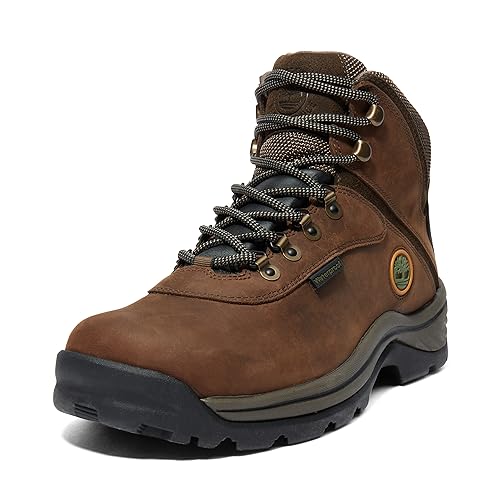
Timberland Men's White Ledge Mid Waterproof Hiking Boot, Brown-NEW 2024, 10.5 Medium
Check price on Amazon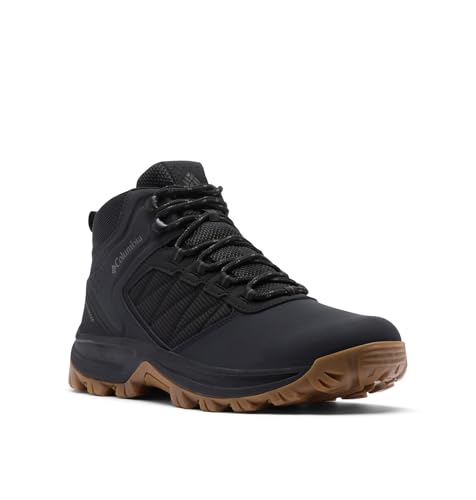
Columbia Men's Transverse Waterproof Hiking Boot, Black/Black, 10.5 | Transverse Hike Waterproof Shoe offers dry comfort and all-terrain traction on any trail
Check price on Amazon
SHULOOK Men's Waterproof Hiking Boots Non-Slip Lightweight Mid Top Ankle Boot Breathable Hiker Trekking Shoes
Check price on Amazon
NORTIV 8 Men's Ankle High Waterproof Hiking Boots,Taupe-Suede,9.5 | Outdoor Lightweight Hiking Boots for Camping, Trekking and Mountaineering Armadillo
Check price on Amazon
Merrell Men's Moab 3 Mid Waterproof Hiking Boot, Earth, 10
Check price on Amazon
Reimferce Comfortable Mens Hiking Boots: Multi-Terrain Traction & Zero Break-In Ankle Support for Rocky Hikes - Breathable Mesh & Lightweight for Confidence in Trail Walking - Outdoor Enthusiasts
Check price on Amazon
FREE SOLDIER Men's Durable Work Boots 6 Inches Lightweight Waterproof Hiking Boots Suede Leather Tactical Boots(Tan US 10.5)
Check price on AmazonCommon Mistakes When Buying Hiking Boots
❌ Buying for Looks Over Function
Hiking boots are tools, not fashion statements. Prioritize fit, support, and traction over color or brand hype. A stylish boot that blisters your feet is worthless on the trail.
❌ Ignoring Break-In Time
Even the best boots need a break-in period. Wear them around the house and on short walks before a big hike. Never take brand-new boots on a 10-mile trek.
❌ Choosing the Wrong Size
Many men buy hiking boots in their casual shoe size, which is often too small. Always size up and account for sock thickness and foot swelling.
❌ Skimping on Socks
Cotton socks trap moisture and cause blisters. Invest in merino wool or synthetic hiking socks. They wick moisture, regulate temperature, and cushion impact.
Ready to Hit the Trail?
Browse our curated selection of top-rated men's hiking boots. Each pair is chosen for comfort, durability, and real-world trail performance.
VIEW RECOMMENDED BOOTSFinal Thoughts
Finding good hiking boots for men doesn't have to be overwhelming. Focus on fit first, then match the boot type to your hiking style. Waterproofing and support are worth the investment if you hike in wet or rugged conditions. And remember: a quality pair of boots will serve you for hundreds of miles if you take care of them.
Whether you're a weekend warrior or a serious backpacker, the right boots make every step more enjoyable. Use this guide as your checklist, read reviews, and don't rush the decision. Your feet will thank you.
For more footwear guidance, explore our other resources on lightweight boots, winter walking shoes, and everyday boots.