How to Break In Full Grain Leather Boots Fast
Don't suffer through weeks of pain. Learn the proven methods to break in your boots comfortably and quickly.
Read More →
Discover why full grain leather is the gold standard for durability, comfort, and timeless style. Learn how to choose, care for, and get the most out of your investment.
Explore Top PicksWhy Full Grain Leather? Full grain leather is the highest quality leather available, retaining the natural grain and imperfections of the hide. This makes it incredibly durable, breathable, and capable of developing a unique patina over time. Unlike corrected grain or bonded leather, full grain gets better with age.
Full grain leather is the outermost layer of the hide, minimally processed to preserve the natural grain. This means you see the actual texture, marks, and character of the animal's skin. It is not sanded, buffed, or corrected to hide imperfections. This lack of processing is precisely what makes it so strong—the fibers are tightly packed and intact, providing superior resistance to wear, water, and tearing.
When you invest in a full grain leather boot, you are buying footwear that can last for decades with proper care. The leather will gradually mold to your foot, creating a custom fit that is unmatched by synthetic materials. This is why professionals in construction, forestry, and the military have trusted full grain leather for generations.
Understanding the differences between leather grades is crucial before you buy. Here is a quick comparison to help you make an informed decision:
| Feature | Full Grain | Top Grain | Genuine Leather |
|---|---|---|---|
| Durability | Excellent (10+ years) | Good (5–8 years) | Fair (2–4 years) |
| Breathability | High | Moderate | Low |
| Patina | Develops beautifully | Minimal | None |
| Price Range | $250–$800+ | $150–$400 | $80–$200 |
| Best For | Work, hiking, investment | Casual, dress | Budget, fashion |
As you can see, full grain leather boots sit at the top of the hierarchy. While the initial cost is higher, the cost-per-wear is actually much lower because they last so long. If you are looking for affordable boots that still offer decent quality, top grain might be a good compromise, but for serious durability, full grain is the clear winner.
Not all full grain boots are created equal. Here are the key factors to consider:
Look for Goodyear welt or stitchdown construction. These methods allow the sole to be replaced, significantly extending the life of the boot. Cemented soles are common in cheaper boots but cannot be easily repaired. For a boot that will last decades, Goodyear welt is the gold standard.
Full grain leather comes in different weights, measured in ounces. For work boots, look for 6–8 oz leather. For dress boots, 4–5 oz is more common. Thicker leather takes longer to break in but lasts longer. If you want a boot that feels broken-in faster, consider a lightweight boot with thinner full grain leather.
Unlined full grain leather boots are more breathable but may feel rougher initially. Leather-lined boots offer a smoother feel and better moisture management. For winter, consider cold weather boots waterproof with insulation.
Vibram, Dainite, and leather soles are all common. For work, a lugged rubber sole provides excellent traction. For dress, a leather or Dainite sole is more appropriate. If you need extra traction on ice, consider spike shoes for snow as an add-on.
Full grain leather is tough, but it still needs care to look its best and last for years. Here is a simple routine:
For a deeper dive into oiling and conditioning, check out our guide on oiling boots. And don't forget to use a boot scrubber to keep the soles clean.
Myth: Full grain leather is uncomfortable and takes months to break in.
Fact: High-quality full grain boots with proper construction can be comfortable within a week. The break-in period depends on the thickness and the fit. Using a break-in guide can help speed up the process.
Myth: Full grain leather is not waterproof.
Fact: While it is not inherently waterproof, it can be treated to be highly water-resistant. Many full grain boots are marketed as waterproof boots after treatment.
Myth: Full grain leather is only for work boots.
Fact: Full grain is used in everything from men's dress boots to western wear boots. It is a versatile material that suits any style.
Don't suffer through weeks of pain. Learn the proven methods to break in your boots comfortably and quickly.
Read More →Keep your full grain boots looking new with our comprehensive cleaning and conditioning routine.
Read More →Protect your investment from rain, snow, and mud with our step-by-step waterproofing guide.
Read More →⚠️ AFFILIATE DISCLOSURE: This website contains affiliate links. As an affiliate Associate, we earn from qualifying purchases. If you make a purchase through these links, we may receive a small commission at no additional cost to you. Read our full affiliate policy.


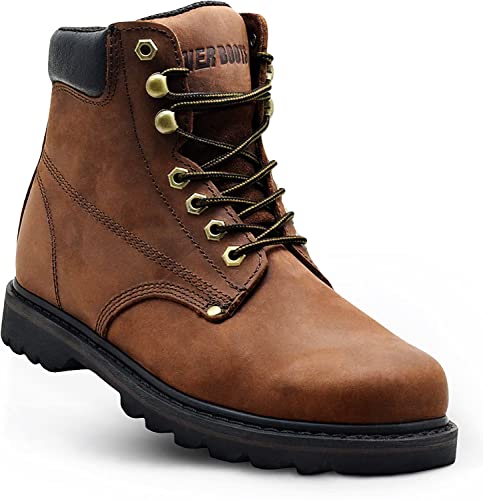


Absolutely. A full grain leather boot is more than just footwear—it is an investment in quality, comfort, and longevity. While the upfront cost is higher, the cost-per-wear is lower than any other type of boot because they can last for decades with proper care. Whether you need a rugged work boot, a stylish dress boot, or a reliable hiking companion, full grain leather is the best choice you can make.
When you buy a full grain leather boot, you are not just buying a product; you are buying a piece of craftsmanship that will serve you for years. Take care of it, and it will take care of you. Start by exploring our recommended picks above, and don't forget to read our buying guides for more tips.
The information provided on BootsPedia is for educational and informational purposes only. We are not professional footwear specialists or cobblers, and our content should not replace professional advice. Always consult with a qualified expert regarding fit, safety, or material-related concerns. Some content may use AI assistance. Always check product warranties and safety standards before purchasing. If you do not agree, please do not use this website. Read the full disclaimer.