
Oiling Boots: The Complete Guide to Leather Care & Protection
Discover how to oil your boots correctly to restore moisture, prevent cracking, and extend the life of your favorite leather footwear. Step-by-step instructions, expert tips, and product recommendations inside.
START LEARNINGWhy Oiling Boots Matters: Leather is skin—it needs moisture to stay supple, strong, and comfortable. Without regular conditioning, leather dries out, cracks, and loses its natural oils. Oiling your boots is one of the most important maintenance rituals you can adopt to protect your investment.
Whether you own black leather mid-calf boots, rugged work boots for wide feet, or elegant women's brown leather mid-calf boots, oiling keeps the material resilient and looking its best.
Recommended Leather Oils & Boot Care Products
⚠️ AFFILIATE DISCLOSURE: This website contains affiliate links. As an affiliate Associate, we earn from qualifying purchases. If you make a purchase through these links, we may receive a small commission at no additional cost to you. Read our full affiliate policy.

Georgia Boot Wedge Work Wellington, Barracuda Gold, Size 8(W)
Check price on Amazon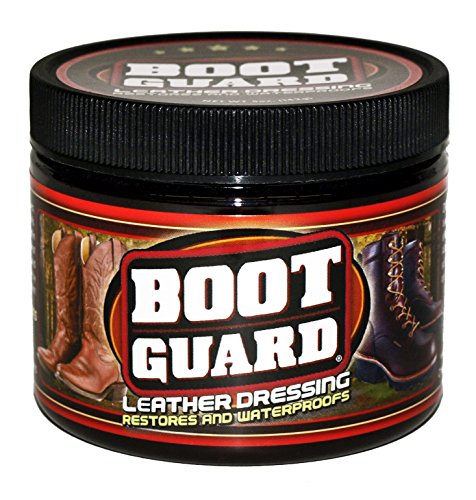
Boot Guard Leather Dressing: Restores and Conditions Leather Boots, Shoes, Automotive Interiors, Jackets, Saddles, Unscented, 5 Ounce Jar
Check price on Amazon
Griffin Water & Stain Repellent - Shoe Protector Spray & Waterproofer, 8 oz | Waterproof spray for shoes & shoe protector spray for boots, suede, leather, canvas & fabric - repels water and stains.
Check price on Amazon
Medieval Boots Leather Renaissance Outdoor Casual Fashion Zipper Slip On Boots for Women Blue Green
Check price on Amazon
Red Wing Shoes All Natural Boot Oil, 8 fl oz
Check price on Amazon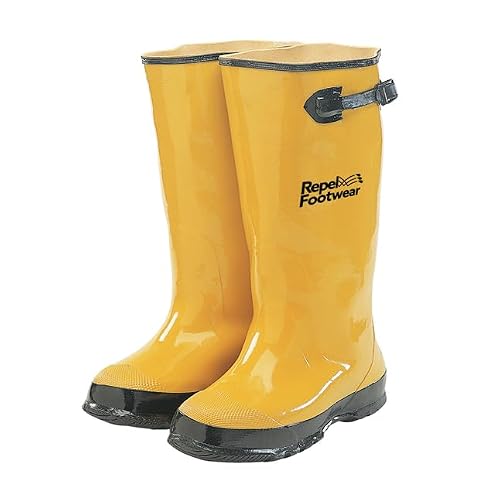
Galeton 7900-13 Repel Footwear Over-the-Shoe Rubber Slush Boots, Cotton Lined, 15.5" high, Yellow, Men's Size 13
Check price on AmazonWhat Does Oiling Boots Actually Do?
Oiling boots is the process of applying a specialized leather oil or conditioner to replenish the natural oils that leather loses over time. This essential maintenance step does more than just make your boots look better—it fundamentally changes how they perform and how long they last.
When you oil leather boots, the oil penetrates deep into the fibers, lubricating them from the inside out. This prevents the leather from drying out and becoming brittle. Dry leather is prone to cracking, especially in high-flex areas like the toe box and heel. Regular oiling keeps the leather supple, allowing it to flex naturally with your foot movement without damage.
Beyond flexibility, oiling also enhances water resistance. While oiled leather isn't fully waterproof, the oil creates a barrier that repels light rain and moisture. This is particularly valuable for comfortable waterproof walking boots and waterproof snow boots that face the elements regularly. The oil also helps prevent salt stains and water spots from penetrating the surface.
Key Benefits of Oiling Your Boots
💧 Restores Moisture
Replenishes natural oils lost through daily wear, keeping leather soft, supple, and comfortable.
🛡️ Prevents Cracking
Lubricates leather fibers to prevent the dry cracking that ruins boots prematurely.
🌧️ Improves Water Resistance
Creates a protective barrier that repels light rain, snow, and moisture.
✨ Enhances Appearance
Restores rich color and natural luster, making old boots look newer and more vibrant.
⏳ Extends Lifespan
Proper conditioning can double or even triple the useful life of quality leather boots.
👣 Improves Comfort
Softened leather molds better to your feet, reducing break-in time and pressure points.
Choosing the Right Oil for Your Boots
Not all oils are created equal. The right choice depends on your boot material, intended use, and desired finish. Here's a breakdown of the most common options:
Mink Oil
The classic choice for heavy-duty leather. Excellent water resistance and conditioning. Best for work boots and outdoor footwear. May darken leather slightly.
$8–$25Neatsfoot Oil
Derived from cattle shinbones. Deeply penetrates and softens leather. Ideal for stiff, new boots. Can darken leather and may weaken stitching if overused.
$6–$20Leather Conditioner
A balanced blend of oils, waxes, and lanolin. Safer for all leather types. Provides conditioning without excessive darkening. Great for dress boots.
$10–$30Coconut Oil
A natural DIY option. Moisturizes well but offers limited water resistance. Best for light conditioning. Use sparingly to avoid rancidity.
$5–$15Beeswax-Based Conditioner
Combines oil with beeswax for superior water protection. Creates a protective seal. Ideal for winter boots and wet climates.
$12–$35Silicone-Based Protectant
Not a true oil, but a synthetic protectant. Excellent water repellency but doesn't condition. Use after oiling for maximum protection.
$8–$20⚠️ Important Cautions Before You Oil
Not all boots should be oiled. Suede, nubuck, and some finished leathers can be permanently stained or damaged by oil. Always test on a small hidden area first. If you own women's suede booties or ladies brown suede boots, use a suede-specific protector instead.
Over-oiling is a real risk. Too much oil can saturate the leather, making it overly soft, stretched, and prone to tearing. It can also clog the leather's pores, preventing breathability. Oil sparingly and allow time for absorption.
Step-by-Step Guide to Oiling Your Boots
Follow these steps for professional-quality results. The entire process takes about 20–30 minutes per pair, plus drying time.
Clean Your Boots First
Remove dirt, mud, and dust with a soft brush or damp cloth. Oiling over dirt traps abrasive particles that can damage leather. For deep cleaning, use a dedicated leather boot cleaner and conditioner before oiling. Let boots dry completely—never oil wet leather.
Remove Laces and Insoles
Take out laces so you can treat the tongue and eyelet area thoroughly. Remove insoles if possible and set them aside. This ensures you can reach every part of the boot's leather surface.
Test on a Hidden Area
Apply a small amount of oil to an inconspicuous spot, like the inside of the heel or under the tongue. Wait 24 hours to check for adverse reactions such as discoloration or stiffness. This is especially important for lighter-colored leathers.
Apply Oil Sparingly
Use a soft cloth, sponge, or your fingers (with gloves). Apply a thin, even layer in circular motions. Start with less than you think you need—you can always add more. Focus on high-stress areas: toe box, heel, and flex points.
Let It Absorb
Allow the oil to soak in for 15–20 minutes. The leather will darken temporarily as it absorbs moisture. If the surface still looks dry after absorption, apply a second thin coat. Avoid over-saturating.
Buff Off Excess
Use a clean, dry cloth to gently buff the surface. This removes any oil that hasn't absorbed and leaves a subtle sheen. For a polished finish, follow with a horsehair brush.
Dry Naturally
Place boots in a cool, dry area away from direct heat or sunlight. Never use a hair dryer or radiator—this can crack the leather. Allow 24 hours for full absorption before wearing.
Re-lace and Store Properly
Once dry, reinsert insoles and laces. Store boots with boot storage covers or in a breathable bag. Avoid plastic bags that trap moisture. Use cedar shoe trees to maintain shape.
How Often Should You Oil Your Boots?
The frequency depends on how often you wear your boots and the conditions they face:
Daily Wear
Oil every 1–2 months. Boots worn every day need regular conditioning to combat sweat, moisture, and friction.
Outdoor & Work Boots
Oil every 4–6 weeks during heavy use. Exposure to mud, water, and abrasion accelerates oil loss.
Occasional Wear
Oil every 3–4 months. Even boots worn occasionally dry out over time, especially in dry climates.
Before Storage
Always oil before storing boots for a season. This prevents drying and cracking during months of inactivity.
After Wetting
Once boots dry after being soaked, re-oil to replace lost oils. Never oil wet leather—wait until fully dry.
New Boots
Oil new leather boots before first wear to soften stiff leather and start a protective routine early.
Oiling Different Types of Boots
While the general process is similar, different boot styles benefit from tailored approaches:
Work Boots
Use heavy-duty mink oil or beeswax conditioner. Focus on toe caps and heel counters where impact is greatest. For men's lightweight waterproof work boots, choose a lighter oil to avoid excess weight. Wedge sole moc toe work boots benefit from oiling the welt area to maintain water resistance.
Hiking & Walking Boots
Use a balanced leather conditioner that maintains breathability. Over-oiling can reduce the waterproof-breathable membrane performance. Comfortable waterproof walking shoes and lightweight waterproof walking shoes need conditioning that won't clog pores.
Cowboy Boots
Use neatsfoot oil or a dedicated western boot conditioner. Pay attention to the vamp and shaft. Embroidered cowgirl boots and sparkly cowboy boots require careful application around decorative elements. Avoid oiling exotic leathers like snakeskin.
Chelsea & Ankle Boots
Use a lighter conditioner to preserve the sleek finish. Comfortable waterproof Chelsea boots and women's wedge ankle boots look best with a subtle, non-greasy sheen. Avoid heavy oils that darken and dull the finish.
Snow & Winter Boots
Use a beeswax-based conditioner for maximum water repellency. Waterproof snow boots and warm snow boots for women face harsh conditions and need robust protection. Oil before the season starts and mid-season.
Dress & Fashion Boots
Use a premium conditioner that preserves color and finish. Black patent leather knee-high boots should not be oiled—patent leather is coated and oil won't penetrate. For leather lace-up ankle boots for women, use a light conditioner.
Frequently Asked Questions About Oiling Boots
Can I use olive oil or vegetable oil on my boots?
No. Cooking oils are not suitable for leather. They can become rancid, attract mold, and leave a sticky residue. Always use products specifically formulated for leather care.
Will oiling darken my boots?
Most oils will darken leather to some degree, especially neatsfoot oil and mink oil. The darkening is often temporary as the oil absorbs, but some permanent change is normal. If you want to avoid darkening, choose a clear leather conditioner or test on a hidden area first.
Can I oil suede or nubuck boots?
No—standard oils will ruin suede and nubuck by matting the nap and causing permanent stains. Use a suede-specific protector spray instead. If you have women's suede booties or grey ankle boots for women in suede, invest in proper suede care products.
How do I know if my boots need oiling?
Signs include: leather feels dry or stiff, surface looks dull or faded, small cracks are appearing, or water no longer beads on the surface. If you press a fingernail into the leather and it doesn't spring back, it's time to oil.
Can I oil boots with a waterproof membrane?
Yes, but use a leather conditioner rather than heavy oil. Heavy oils can clog the membrane's pores and reduce breathability. For top waterproof hiking shoes and waterproof breathable walking shoes, use a conditioner designed for technical footwear.
What's the difference between oiling and polishing?
Oiling conditions the leather, restoring moisture and flexibility. Polishing creates a protective, shiny surface layer using wax. Both have their place—oil first to condition, then polish for shine and added protection if desired.
Can I oil my boots too often?
Yes. Over-oiling can saturate the leather, causing it to stretch, lose shape, and become overly soft. It can also attract dirt and clog pores. Stick to a sensible schedule based on wear frequency and conditions.
Do I need to oil new boots?
It's a good idea. New leather boots—especially those made from stiff leather—benefit from oiling before first wear. This softens the leather, accelerates break-in, and starts a protective routine from day one.
Protect Your Investment with Regular Oiling
Oiling your boots is one of the simplest yet most impactful maintenance habits you can develop. It takes just 20–30 minutes per pair, but the payoff is enormous: boots that last longer, feel more comfortable, and look better season after season.
Whether you're caring for rugged comfortable work boots for wide feet, elegant women's brown leather mid-calf boots, or reliable comfortable waterproof walking boots, the principles remain the same. Clean, condition, protect, and repeat.
Ready to give your boots the care they deserve? Explore our recommended products above and start your oiling routine today.