
Insoles: The Ultimate Guide to Comfort & Support for Your Boots
Transform your boots from simply functional to incredibly comfortable. Discover how the right insoles can relieve pain, improve posture, and make every step a pleasure.
FIND YOUR PERFECT INSOLESWhy Insoles Matter: The insole is the unsung hero of your footwear. Often overlooked, it's the foundation of your comfort, providing critical support for your arches, cushioning for your heels, and stability for your entire foot. Whether you're standing on concrete all day, hiking rugged trails, or just looking to make your favorite pair of comfortable waterproof walking boots even more enjoyable, a quality insole can make a world of difference. This guide will walk you through everything you need to know to choose the perfect insoles for your needs.
Understanding the Different Types of Insoles
Not all insoles are created equal. The right choice depends entirely on your foot type, your activities, and any specific foot conditions you may have. Here's a breakdown of the most common types you'll encounter:
Arch Support Insoles
Designed to support the natural arch of your foot, these are essential for people with flat feet or high arches. They help distribute weight evenly, reduce strain on the plantar fascia, and improve alignment. They are a game-changer for those suffering from plantar fasciitis or general foot fatigue.
Best for: Flat feet, high arches, plantar fasciitis, and anyone standing for long periods.
Price Range: $20–$60
Cushioning Insoles
These insoles are all about shock absorption and softness. Made from materials like gel, foam, or memory foam, they provide extra padding to reduce impact on your joints. They are perfect for adding comfort to boots that feel a bit too firm, like new work boots for walking on concrete.
Best for: Adding comfort to hard boots, reducing impact during high-impact activities, and general foot fatigue.
Price Range: $15–$40
Orthopedic Insoles
These are medical-grade insoles designed to correct foot alignment and address specific conditions like overpronation, supination, and leg length discrepancies. They are often prescribed by podiatrists. While they can be more expensive, they offer the highest level of support and correction.
Best for: Correcting biomechanical issues, chronic foot, knee, or back pain, and post-injury recovery.
Price Range: $50–$200+
Heated Insoles
For those who brave the cold, heated insoles are a revelation. These battery-powered insoles provide warmth directly to your feet, making them ideal for winter sports, hunting, or working outdoors in freezing temperatures. They are a perfect companion for your waterproof snowboots.
Best for: Winter activities, cold working environments, and anyone with poor circulation.
Price Range: $30–$150
Carbon Fiber & Rigid Insoles
These insoles are designed for maximum stability and rigidity. A carbon fiber plate provides a stiff platform that prevents the foot from over-flexing, which is crucial for activities like cycling, skiing, or for people recovering from certain foot injuries. They are also used in some steel toe work shoes for women for added protection.
Best for: High-performance sports, reducing foot fatigue during intense activity, and providing a stable base for heavy lifting.
Price Range: $40–$100
Gel Insoles
Gel insoles are a popular choice for their excellent shock absorption and pressure distribution. They are often used in the heel and forefoot areas to relieve pain from conditions like metatarsalgia. They are a great, affordable upgrade for any pair of comfortable work boots for wide feet.
Best for: Heel pain, forefoot pain, and adding a layer of comfort to any shoe.
Price Range: $10–$30
How to Choose the Right Insoles for Your Boots
Selecting the perfect insole is a personal journey. Here’s a step-by-step guide to help you make the right decision:
- Identify Your Primary Need: Are you looking for relief from pain, more cushioning for long days, or better arch support for a high instep? Pinpointing your main goal is the first step.
- Know Your Arch Type: A simple "wet test" can determine if you have a normal, flat, or high arch. This will dictate the level of arch support you need. A flat foot needs a more contoured insole, while a high arch needs more cushioning under the metatarsal area.
- Consider Your Activity: Insoles for hiking require different features than insoles for a dress boot. For hiking, look for moisture-wicking, antimicrobial, and shock-absorbing materials. For work, prioritize durability and support. For casual wear, comfort is king. If you're an avid hiker, you might also benefit from knowing about trail hiking boot features that work well with quality insoles.
- Check the Volume: Insoles add volume to your boot. If your boots are already snug, a thick insole might make them too tight. Look for a "low-profile" or "thin" insole if you need to save space. If your boots feel a bit loose, a thicker insole can help perfect the fit.
- Trim to Fit: Most over-the-counter insoles are designed to be trimmed with scissors to match the shape of your original boot's insole. Always start by trimming a little, then check the fit, and trim more if needed.
- Material Matters: Look for materials that manage moisture. A breathable insole is key for comfort, especially if you wear your boots for long periods. This is particularly important if you're wearing comfortable waterproof chelsea boots, where airflow might be limited.
Key Factors to Consider
- Support: The insole should support your arch and heel without causing pressure points.
- Cushioning: It should absorb shock, especially in the heel and forefoot.
- Fit: It must fit comfortably inside your boot without making it too tight.
- Material: Choose moisture-wicking and breathable materials to keep your feet dry.
- Durability: A good insole should last for several months to a year of regular use.
Top-Rated Insoles for Boots, Work & Hiking
⚠️ AFFILIATE DISCLOSURE: This website contains affiliate links. As an affiliate Associate, we earn from qualifying purchases. If you make a purchase through these links, we may receive a small commission at no additional cost to you. Read our full affiliate policy.
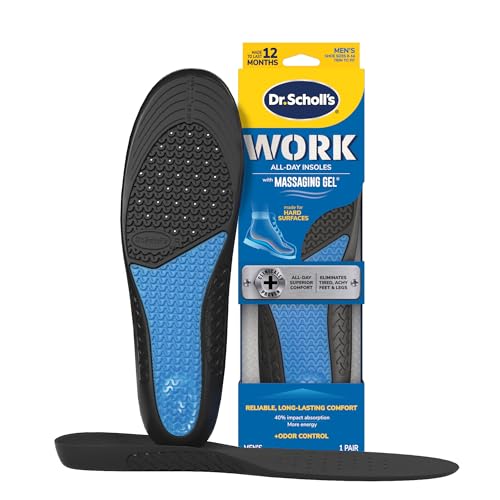
Dr. Scholl's Work All-Day Superior Comfort Insoles (with) Massaging Gel, Men, 1 Pair, Trim to Fit
Check price on Amazon
DWTWLE 4D Cloud Insoles for Men and Women Memory Foam Arch Support Inserts | cloud soles for men,Shock Absorbing, Anti Fatigue, Standing All Day, Work Boots, Sneaker (Black, Men: US 7-11)
Check price on Amazon
Dr. Scholl's Heavy Duty Support Insole Orthotics, Big & Tall, 200lbs+, Wide Feet, Shock Absorbing, Arch Support, Distributes Pressure, Trim to Fit Inserts, Work Boots & Shoes, Men Size 8-14, 1 Pair
Check price on Amazon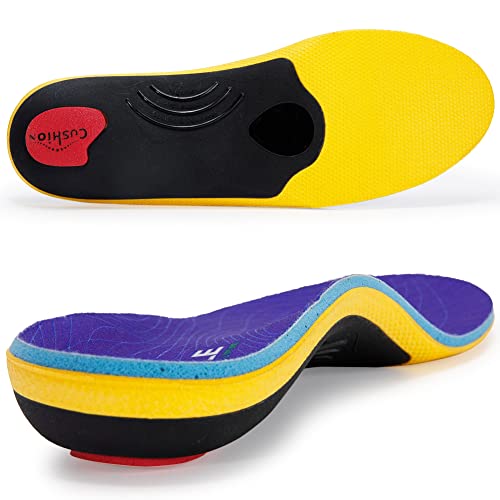
VALSOLE Heavy Duty Support Pain Relief Orthotics - 220+ lbs Plantar Fasciitis High Arch Support Insoles for Men Women, Flat Feet Insert, Work Boot Shoe Insole, Absorb Shock with Every Step
Check price on Amazon
PowerStep Pinnacle Insoles, Plantar Fasciitis Relief (M 12-13) | Foot Orthotics for Plantar Fasciitis, Made in USA, Orthotic Insoles, Arch Support Inserts, Pronation, Podiatrist Recommended
Check price on Amazon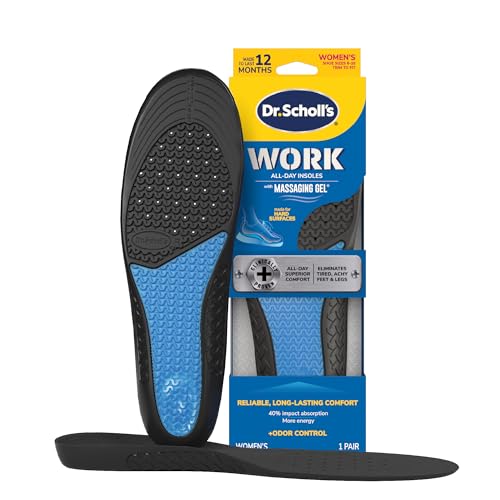
Work All-Day Superior Comfort Insoles (with) Massaging Gel, Women, 1 Pair, Trim to Fit
Check price on Amazon
Dr. Scholl’s Plantar Fasciitis Relief Orthotic Insoles for Men - The Only Proven Insole to Stop Plantar Fasciitis from Coming Back, Immediately Relieves Pain, Heel Spurs, Arch Support Inserts
Check price on Amazon
Dr. Scholl's Walk Longer Shoe Insoles for Women, All-Day Support, 1 Pair | Inserts for women, cushioning insoles for walking, hiking, and standing all day, plus arch support to improve walking comfort
Check price on AmazonChoosing Insoles for Specific Boot Types
Different boots have different demands. Here’s how to match the right insole to your favorite footwear:
Work Boots
For work boots, prioritize durability, support, and shock absorption. A good insole can make a huge difference when you're on your feet all day on hard surfaces. Look for an insole with a deep heel cup and firm arch support. If you have specific safety needs, you might also consider safety toe inserts for added protection. A quality insole is essential for any pair of men's lightweight waterproof work boots to ensure all-day comfort.
Hiking Boots
When hiking, your insoles need to handle uneven terrain, moisture, and impact. Look for insoles with excellent shock absorption, a moisture-wicking top sheet, and a firm heel cup for stability. An antimicrobial treatment is a bonus. The right insole can make even affordable hiking boots feel like a custom fit. For men with specific fit needs, a quality insole is a must-have for men's wide toe box hiking shoes.
Cowboy Boots
Cowboy boots often have a hard leather sole and a snug fit. A thin, supportive insole can add comfort without making the boot too tight. Gel or memory foam insoles are excellent for adding cushioning. For those who love the western style, a good insole is key to making even sparkly cowboy boots comfortable for a night out.
Snow Boots
In snow boots, insulation and warmth are as important as support. Consider a thermal insole or a heated insole for extreme cold. For a great fit, look for an insole that provides cushioning without being too bulky. A good insole can enhance the comfort of your cute snow boots womens, making them perfect for both function and style.
Walking Boots
For walking boots, comfort is paramount. You'll want an insole that provides a balance of cushioning and support to keep you going mile after mile. Look for breathable materials to keep your feet dry. A quality insole can turn a good pair of comfortable waterproof walking shoes into your go-to footwear for any adventure.
Fashion Boots
You don't have to sacrifice style for comfort. Many thin, discreet insoles are designed for dress shoes and fashion boots. Look for gel or foam insoles that provide cushioning without adding bulk. These are perfect for making black leather mid-calf boots or womens brown leather boots mid-calf wearable all day long.
Maintenance and Care for Your Insoles
To get the most out of your insoles and keep them hygienic, follow these simple care tips:
- Clean Regularly: Most insoles can be hand-washed with mild soap and warm water. Always check the manufacturer's instructions first. Allow them to air dry completely before putting them back in your boots.
- Rotate Your Insoles: If you wear your boots daily, consider having two pairs of insoles and rotating them. This gives each pair time to dry out and prevents odor buildup.
- Replace When Needed: Insoles don't last forever. If they become flat, cracked, or start to smell, it's time for a new pair. Most insoles should be replaced every 6 to 12 months, depending on usage.
- Don't Tumble Dry: Heat can warp and damage the materials in your insoles. Always let them air dry.
Ready to Upgrade Your Comfort?
Don't let foot pain hold you back. Discover the perfect insoles for your boots and feel the difference from the very first step.
SHOP TOP INSOLES NOWFrequently Asked Questions About Insoles
How often should I replace my insoles?
For daily wear, it's generally recommended to replace your insoles every 6 to 12 months. However, if you notice they are flattened, cracked, or no longer provide the support they once did, it's time for a new pair. For athletic or work boots, you may need to replace them more frequently.
Can I use insoles in any type of boot?
Yes, you can use insoles in almost any type of boot, from work boots to cowboy boots. The key is to choose the right type and thickness for the boot's design. For tight-fitting boots, look for thin, low-profile insoles. For looser boots, you have more flexibility.
What is the difference between an insole and an insert?
While often used interchangeably, there is a subtle difference. An "insole" typically refers to the full-length layer that sits inside the shoe, often the one that comes with the shoe. An "insert" can be a full-length or partial-length item you add for extra comfort or support. In practice, most people use the terms synonymously.
Are expensive insoles worth the money?
It depends on your needs. For general comfort, a moderately priced insole can work wonders. However, if you have a specific foot condition like plantar fasciitis or need custom orthotics, investing in a higher-quality, specialized, or even custom-made insole can be well worth the cost for the relief and support they provide.