
Trail Hiking Boot: Your Ultimate Guide to Comfort & Performance
Whether you are tackling rugged mountain paths or scenic woodland trails, the right hiking boot is your most important piece of gear. Learn how to choose a boot that fits perfectly, grips confidently, and keeps you comfortable for miles.
Read the Buying GuideWhy Your Choice of Trail Hiking Boot Matters
You have likely already started browsing options and know that not all hiking footwear is created equal. A trail hiking boot sits in the sweet spot between lightweight trail runners and heavy mountaineering boots. It is designed for hikers who carry a moderate pack, navigate mixed terrain, and want a balance of support, protection, and agility. Choosing the wrong boot can lead to blisters, ankle rolls, or miserable, soggy feet. This guide will walk you through every critical decision point so you can buy with total confidence.
Before diving into specifics, consider the type of hiking you do most often. Are you a day hiker on well-maintained paths, or do you venture into off-trail terrain with steep ascents and rocky scrambles? Your answer will determine the level of stiffness, ankle height, and tread pattern you need. For those who prefer a lighter, faster option, our guide on lightweight hiking shoes for women offers excellent alternatives that still deliver solid performance.
Key Insight: A trail hiking boot is not just a shoe with a higher cut. It is a system of components—outsole, midsole, shank, upper, and lacing—working together to protect your feet and enhance your stability on uneven ground.
Essential Factors When Choosing a Trail Hiking Boot
1. Fit and Sizing: The Foundation of Comfort
Your boots must fit correctly from the moment you put them on. Unlike running shoes, hiking boots should not need a painful break-in period. Look for a boot that feels snug in the heel, roomy in the toe box, and secure across the midfoot. Your toes should be able to wiggle freely and should not touch the front of the boot when you kick downhill. If you have wide feet, standard boots may feel cramped. Fortunately, many brands offer dedicated wide models, and you can explore options like wide hiking shoes for men to find a fit that accommodates your foot shape without sacrificing stability.
2. Traction and Outsole: Grip That Keeps You Upright
The outsole is your connection to the trail. Look for deep, multi-directional lugs made from sticky rubber compounds. This design sheds mud, grips loose gravel, and bites into wet rock. For hikers who frequently encounter slippery conditions, a boot with a dedicated slip-resistant sole is invaluable. You can learn more about the technology behind this in our article on slip-resistant steel toe boots, which shares many of the same grip principles used in high-quality hiking footwear.
3. Waterproofing and Breathability: Managing Moisture
Wet feet are cold, heavy, and prone to blisters. Waterproof membranes like Gore-Tex or proprietary alternatives keep rain and puddle splashes out. However, waterproof boots can be less breathable, trapping sweat inside during warm-weather hikes. If you hike in hot, dry climates, a non-waterproof, highly breathable boot may be more comfortable. For those who hike in wet, cold conditions, a waterproof boot is essential. To understand how breathability works in protective footwear, see our guide on breathable work boots.
4. Ankle Support and Stability
Mid-cut and high-cut boots provide valuable ankle support, especially when carrying a heavy pack or traversing rocky terrain. The stiffness of the boot's upper and the rigidity of the midsole contribute to overall stability. A stiffer boot reduces foot fatigue on long days but requires more effort to flex. Choose a level of support that matches your typical load and terrain. If you are used to the support of a work boot, you might appreciate a hiking boot with a similarly robust structure. You can find comparable support features in models like good work boots for construction.
5. Weight and Materials
Every ounce counts on the trail. Modern trail hiking boots use synthetic leather, mesh, and nubuck to reduce weight without sacrificing durability. Full-grain leather boots are heavier and require more care but offer exceptional longevity and water resistance. Your choice depends on your priorities. For those who value durability and classic construction, our article on the Goodyear boot welt explains a manufacturing method that is highly regarded for its repairability and strength.
Top-Rated Trail Hiking Boots for Your Next Adventure
⚠️ AFFILIATE DISCLOSURE: This website contains affiliate links. As an affiliate Associate, we earn from qualifying purchases. If you make a purchase through these links, we may receive a small commission at no additional cost to you. Read our full affiliate policy.

R CORD Womens Hiking Boots Waterproof Backpacking for Outdoor Trekking Camping Trail Hiking Boots Outdoor Hiking shoes Peach Size 7
Check price on Amazon
NORTIV 8 Women's Waterproof Hiking Boots,Black,7.5 | Lightweight Mid-Cut Hiking Work Winter Rain Hunting Duck Boot Trail Camping Trekking Walking Comfortable Outdoor Boot
Check price on Amazon
R CORD Womens Hiking Boots Trekking Camping Trail Hiking Boots for Women Durable Hiking Boot Outdoor Boots Peach Size 9
Check price on Amazon
Columbia Mens Transverse Waterproof Hiking Boot, Black/Mountain Red, 10 | Transverse Hike Waterproof Shoe offers dry comfort and all-terrain traction on any trail
Check price on Amazon
NORTIV 8 Women's Waterproof Hiking Boots Trekking,Grey/Blue,8 | Lightweight Hiking Walking Trail Work Rain Camping Outdoor Slip Resistant Daily Boots Seeker
Check price on Amazon
NORTIV 8 Women's Waterproof Hiking Boots,Light Grey/Pink,9 | Lightweight Mid-Cut Hiking Work Winter Rain Hunting Duck Boot Trail Camping Trekking Walking Comfortable Outdoor Boot
Check price on Amazon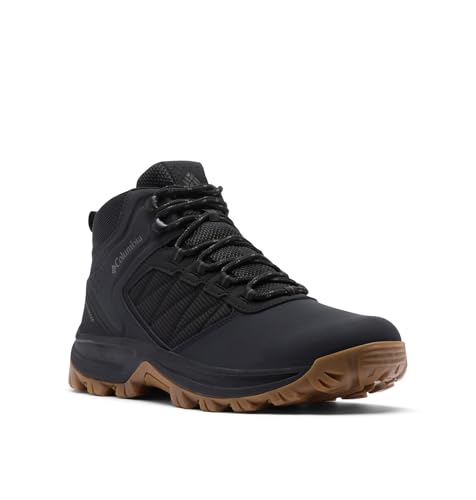
Columbia Men's Transverse Waterproof Hiking Boot, Black/Black, 8 | Transverse Hike Waterproof Shoe offers dry comfort and all-terrain traction on any trail
Check price on Amazon
R CORD Womens Trail Hiking Boots Comfortable Non-Slip Hikers for Long Distance Womens Backpacking Boots Khaki Size 7
Check price on AmazonWhat to Expect: Trail Hiking Boot Price Ranges
Trail hiking boots are available at a wide range of price points, and the cost often reflects the quality of materials, construction, and brand reputation. Budget-friendly options can be found for around $80–$150. These boots often use synthetic materials and may be less durable over many seasons, but they can be perfectly adequate for casual, light-duty hiking.
Mid-range boots, priced from $150–$250, offer the best balance of performance and value for most hikers. You will find better waterproofing, more advanced sole technology, and more comfortable footbeds in this category. Premium boots, often $250+, feature top-tier leathers, precision manufacturing, and advanced support systems designed for serious, long-distance backpackers or rugged alpine conditions.
Caring for Your Trail Hiking Boots
To get the most out of your investment, proper care is essential. After each hike, knock off dried mud and dirt. If the boots are wet, stuff them with newspaper and let them air dry at room temperature—never place them near a fire or heater, as this can crack the leather and damage adhesives. For leather boots, regular conditioning keeps the material supple and prevents cracking. For fabric and mesh boots, a soft brush and mild soap are usually sufficient. Re-waterproofing treatments should be applied periodically to maintain the boot's repellency.
If you hike frequently, it is also wise to inspect your laces and insoles. Replacing worn laces is a cheap way to maintain performance, and swapping out insoles can restore comfort and support. For those who want to upgrade the feel of their boots, exploring options for womens boots suede care can provide useful techniques that apply to suede hiking footwear as well.
Ready to Hit the Trail?
You now have the knowledge to choose a trail hiking boot that will serve you well for many seasons. Remember to prioritize fit above all else, consider the terrain and weather you will encounter, and invest in the best quality your budget allows. Take your time, try on multiple pairs if possible, and read reviews from other hikers. Your feet will thank you. Explore our recommended products above to find highly-rated options from trusted brands, and get ready for your next great outdoor adventure.