
Comfortable Waterproof Walking Boots: The Ultimate Buying Guide
Stop compromising between dry feet and all-day comfort. Our comprehensive guide helps you find the perfect pair of waterproof walking boots that feel as good as they perform.
Explore Top PicksThere is nothing quite like the freedom of a long walk, whether you are navigating a muddy forest trail, tackling a rocky coastal path, or simply enjoying a brisk walk through your local park. However, that freedom quickly evaporates when your feet are soaked, cold, or plagued by painful blisters. The solution lies in finding the perfect pair of comfortable waterproof walking boots. These are not just any boots; they are a specialized piece of outdoor gear designed to protect your feet from the elements while providing the support and cushioning needed for miles of walking.
But with hundreds of options on the market, how do you distinguish a genuinely comfortable boot from one that merely looks the part? This guide will walk you through every critical factor, from the science of waterproofing to the anatomy of a comfortable fit. By the end, you will be equipped with the knowledge to make a confident purchase. For those who prefer a lower-cut option, you might also consider comfortable waterproof walking shoes, which offer similar benefits in a lighter package.
Why Waterproofing is Non-Negotiable for Comfort
Many walkers assume that waterproofing is only necessary for heavy rain. In reality, wet feet can happen from walking through dew-covered grass, splashing through a puddle, or even from sweat accumulating inside a non-breathable boot. When your feet get wet, the skin softens, making it far more susceptible to friction and blistering. Furthermore, wet feet lose heat rapidly, turning a pleasant walk into a miserable, cold experience.
A good waterproof walking boot uses a membrane, such as Gore-Tex or a proprietary equivalent, to create a barrier that keeps liquid water out while allowing water vapor (sweat) to escape. This breathability is the secret to lasting comfort. Without it, your boots would simply become a sauna for your feet. It is important to note that even the best waterproof boots need proper care; regularly cleaning and reproofing them, perhaps using a dedicated leather boot cleaner and conditioner, will maintain their protective qualities over time.
The Anatomy of a Comfortable Walking Boot
Comfort is not a single feature; it is the result of several design elements working in harmony. When evaluating a boot, pay close attention to these key components:
- Fit and Last: The "last" is the foot-shaped mold a boot is built around. A comfortable boot should have a snug heel, a roomy toe box (allowing your toes to splay naturally), and no pressure points across the instep. If you have wide feet, standard boots may feel cramped. In that case, looking for comfortable work boots for wide feet (which often share design principles with walking boots) or specifically designed wide-fit hiking boots is crucial.
- Cushioning and Shock Absorption: The midsole is the unsung hero of comfort. It absorbs the impact of every step. Materials like EVA foam or polyurethane provide excellent shock absorption. Some walkers also add aftermarket insoles to enhance cushioning or correct their gait.
- Ankle Support: The height of the boot (mid or high) provides crucial ankle support, preventing rolls on uneven terrain. However, the collar must be padded to prevent chafing. A well-padded tongue and collar are hallmarks of a comfortable design.
- Breathability: As mentioned, waterproofing must be paired with breathability. Look for boots with breathable mesh panels or linings that wick moisture away from your skin.
- Weight: Heavy boots can be tiring. Modern materials allow for lightweight waterproof walking shoes and boots that don't compromise on protection. A lighter boot means less fatigue on long walks.
Key Features to Look For
When shopping for your next pair, keep these features in mind to ensure you are getting a boot that prioritizes both comfort and dryness:
- Waterproof Membrane: Look for well-known technologies like Gore-Tex, eVent, or brand-specific waterproof linings. These are your guarantee against external moisture.
- Vibram or Sticky Rubber Outsole: The outsole provides traction. A deep, self-cleaning lug pattern is essential for grip on mud and loose gravel. Good traction prevents slips, which is a major factor in feeling secure and comfortable on the trail.
- Padded Collar and Tongue: These prevent pressure points and lace bite, especially around the ankle bone.
- Removable Footbed: This allows you to replace the stock insole with a custom orthotic or a fresh one if it wears down, extending the life and comfort of your boots.
- Durable Upper Material: Full-grain leather is highly durable and naturally water-resistant. Nubuck and suede are lighter but require more maintenance. Synthetic materials are lightweight and dry quickly. The choice depends on your preferred walking environment. For those who walk a lot on concrete or pavement, the principles of work boots for walking on concrete (focusing on shock absorption) can also apply to urban walking boots.
Top Rated Comfortable Waterproof Walking Boots
⚠️ AFFILIATE DISCLOSURE: This website contains affiliate links. As an affiliate Associate, we earn from qualifying purchases. If you make a purchase through these links, we may receive a small commission at no additional cost to you. Read our full affiliate policy.
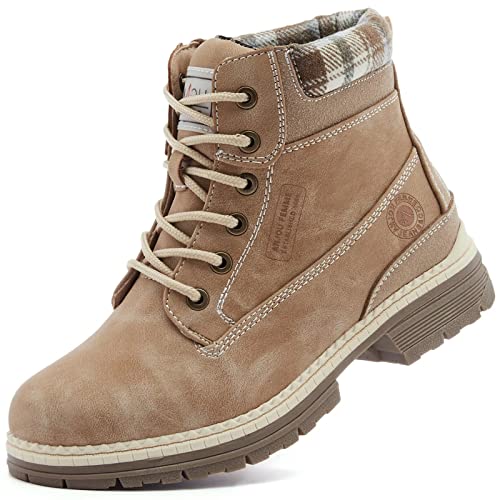
ANJOUFEMME Outdoor Hiking Boots for Women Waterproof - Womens Ankle Boots Lightweight Snow Winter Boots for Trekking Walking
Check price on Amazon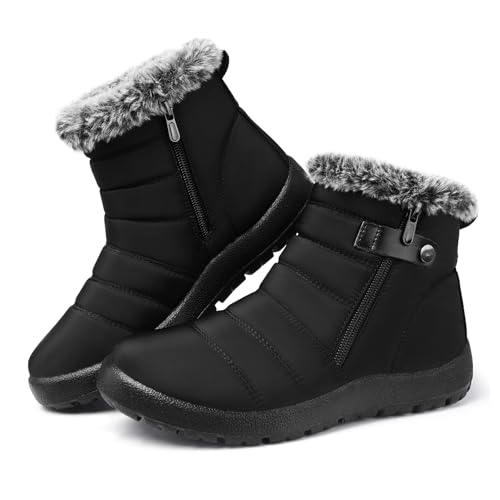
SHIBEVER Winter Boots for Women Snow: Warm Waterproof Non Slip Outdoor Boot | Black Fur Lined Ankle Boots Warm for All-Day Commute - Comfortable Cold Weather Non Slip Walking No Foot Fatigue Size 8
Check price on Amazon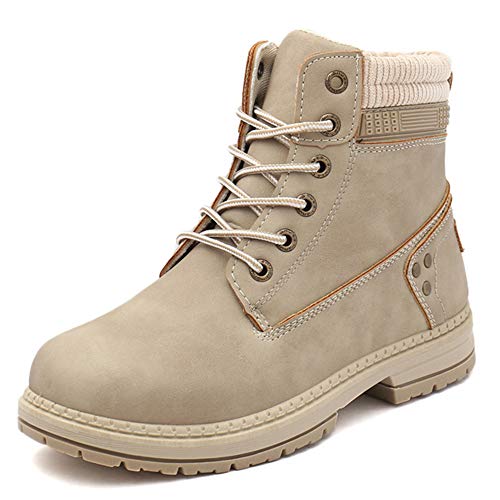
Athlefit Women's Lace-Up Work Hiking Combat Ankle Boots Khaki Size 8 | Waterproof Work Booties Shoes, Comfort Padded Collar, All-Weather Fit for Farm, Outdoor Camping & Daily Wear
Check price on Amazon
NORTIV 8 Women's Lightweight Ankle Hiking Boots Backpacking,Dark Grey,7.5 | Waterproof Hiking Walking Trekking Work Camping Comfortable Slip-Resistant Outdoor Boots
Check price on Amazon
Columbia Women's Newton Ridge Waterproof Amped | High Traction, All Day Comfort, Fully Waterproof, Wide Fit Available
Check price on Amazon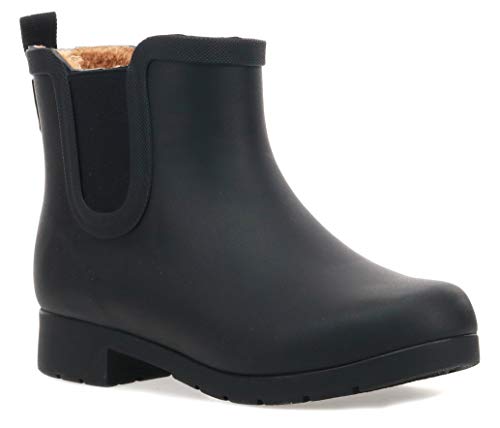
Chooka Women's Waterproof Plush Chelsea Bootie Chelsea Boot, Delridge Black, 10 M
Check price on Amazon
DREAM PAIRS Ankle Fashion Sneaker Boots Women,Tan,8
Check price on Amazon
NORTIV 8 Women's Lightweight Ankle Hiking Boots Backpacking,Light Grey,7 | Waterproof Hiking Walking Trekking Work Camping Comfortable Slip-Resistant Outdoor Boots
Check price on AmazonHow to Choose the Right Boot for Your Needs
The "best" boot is the one that fits your specific walking habits. Consider these factors before you buy:
- Terrain: For gentle, well-maintained paths, a lightweight, mid-cut boot is perfect. For rugged, rocky, and steep terrain, a stiffer, high-cut boot with a more aggressive outsole is necessary for support and protection.
- Distance: For short walks (under 5 miles), comfort and light weight are key. For long-distance hikes, prioritize support, durability, and a more substantial midsole.
- Weather: If you often walk in wet, muddy conditions, a full-leather boot with a Gore-Tex lining is a top choice. For warmer, drier climates, a more breathable synthetic boot might be more comfortable. In snowy conditions, you may need to look at waterproof snowboots for extra insulation.
- Your Foot Shape: As mentioned earlier, foot shape is paramount. If you have narrow feet, look for women's or men's specific fits. If you have wide feet, seek out brands known for a roomier fit or specifically designed wide models, such as some men's lightweight waterproof work boots that prioritize a spacious toe box.
One of the most common mistakes is buying boots that are too small. Your feet swell during the day and during exercise. Always try boots on in the afternoon, with the socks you plan to wear. Ensure there is a thumb's width of space between your longest toe and the front of the boot. This prevents your toes from jamming against the front on descents, a leading cause of black toenails and discomfort.
Maintaining Comfort and Waterproofing
Your boots are an investment, and a little care goes a long way. After a walk, especially in muddy conditions, rinse them with lukewarm water and a soft brush to remove dirt. Dirt can clog the breathable membrane and abrade the leather. Allow them to air dry naturally, away from direct heat sources like radiators, which can crack the leather and damage the waterproof lining.
For leather boots, regular conditioning is vital. This keeps the leather supple and prevents it from cracking, which would compromise both comfort and waterproofness. A good quality leather boot cleaner and conditioner is an essential part of your kit. For more insights on keeping your footwear in top shape, you might find guides on oiling boots useful for specific leather types. Remember, a well-maintained boot is a comfortable boot.
Frequently Asked Questions
How long does it take to break in comfortable waterproof walking boots?
Break-in time varies by material. Synthetic boots may feel comfortable almost immediately, while full-leather boots can take 10-20 miles of walking to fully mold to your feet. To ease the process, wear them around the house and on short walks before embarking on a long hike.
Are waterproof boots too hot for summer walking?
Not necessarily. Modern waterproof membranes are highly breathable. They allow sweat vapor to escape while keeping liquid water out. For very hot and dry conditions, a non-waterproof, highly breathable boot might be more comfortable, but for changeable weather, a waterproof boot is a safer bet. You can also explore options like waterproof breathable walking shoes for a cooler option.
Can I use my walking boots for other activities?
Absolutely. Many people use their comfortable waterproof walking boots for light hiking, commuting, or even as general-purpose winter footwear. The key is to match the boot's design to the activity. A lightweight walking boot might not provide enough support for a heavy backpack, while a stiff mountaineering boot would be overkill for a flat path. For those who prefer a more casual, easy-on style, comfortable waterproof Chelsea boots offer a great blend of style and function.
What is the best way to dry wet boots?
Remove the insoles and laces. Stuff the boots with crumpled newspaper or a towel to absorb moisture. Change the paper every few hours. Allow them to air dry at room temperature. Never place them on a radiator or in a tumble dryer, as this can damage the materials and waterproofing.
Your Next Step to Comfortable Adventures
Investing in a pair of comfortable waterproof walking boots is an investment in your own enjoyment of the outdoors. By focusing on fit, features, and proper maintenance, you can ensure that every step you take is a dry and comfortable one. Use our recommended products above as a starting point for your research. Whether you are a casual walker or a dedicated hiker, the right pair of boots will transform your experience, allowing you to focus on the beauty of the trail rather than the discomfort of your feet.
Remember to consider your specific needs, try on multiple pairs if possible, and don't settle for anything less than perfect comfort. Your feet will thank you for it.