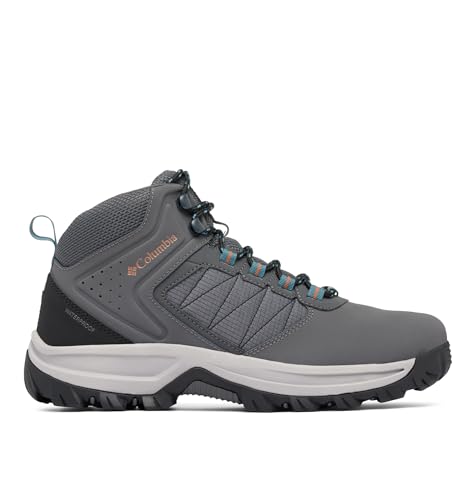
Top Waterproof Hiking Shoes: The Ultimate Buyer's Guide
Keep your feet dry and comfortable on every trail. Learn how to choose the best waterproof hiking shoes for your adventures with our expert guide.
START YOUR RESEARCHWhy Waterproof Hiking Shoes Matter: There is nothing worse than wet feet on a long hike. Beyond the discomfort, wet feet are prone to blisters, fungal infections, and can even lead to dangerous drops in core body temperature in cold conditions. A reliable pair of waterproof hiking shoes is one of the most important investments you can make for your outdoor adventures.
Whether you are navigating muddy trails in a temperate rainforest, crossing shallow streams, or simply caught in an unexpected downpour, the right footwear transforms a miserable slog into an enjoyable journey. This guide will walk you through everything you need to know about waterproof hiking shoes—from the technology that keeps water out to the features that keep you comfortable—so you can make an informed decision and buy with confidence.
Key Features of Great Waterproof Hiking Shoes
Waterproof Membrane
The heart of any waterproof shoe is its membrane. Materials like Gore-Tex, eVent, or proprietary brand technologies (e.g., Columbia's OutDry, Merrell's M-Select DRY) act as a barrier against water while still allowing sweat vapor to escape. This breathability is crucial to prevent your feet from getting soaked from the inside out.
Durable Outer Material
The upper of the shoe must withstand abrasion from rocks, roots, and brush. Leather is naturally water-resistant and extremely durable. Synthetic materials like nubuck, mesh, and TPU overlays are lighter and dry faster but may require a DWR (Durable Water Repellent) treatment to maintain their water-shedding properties.
Grippy Outsole
A waterproof shoe is only useful if you can stay on your feet. Look for outsoles made by reputable brands like Vibram, Contagrip (Salomon), or Quantum (Merrell). Deep, multi-directional lugs are essential for traction on mud, loose gravel, and wet rock. The rubber compound should also be soft enough to grip but hard enough to last.
Protective Toe Cap
Trails are full of hidden hazards. A robust toe cap protects your toes from accidental kicks against rocks and roots. It also adds a layer of durability to a high-wear area of the shoe. This is a non-negotiable feature for serious hikers.
Comfort & Fit
Even the most technical shoe will fail if it doesn't fit well. Look for a padded collar and tongue, a cushioned midsole for shock absorption, and a roomy toe box that allows your toes to splay. Remember that feet swell during long hikes, so it's often wise to size up by a half-size. If you have wider feet, searching for wide hiking shoes for men or wide hiking shoes for women can make a world of difference.
Weight vs. Support
There is a trade-off between lightweight agility and heavy-duty support. Lighter shoes are less fatiguing on long hikes but may offer less underfoot protection. Heavier shoes provide more stability and durability but can feel clunky. Choose based on the terrain you'll be hiking and your personal preference.
Pros and Cons of Waterproof Hiking Shoes
✓ Advantages
- Dry Feet: The most obvious benefit—keeping your feet dry in wet conditions.
- Warmth: Waterproof membranes add a layer of insulation, keeping feet warmer in cold, wet weather.
- Versatility: Ideal for three-season hiking, from spring showers to autumn mist.
- Protection: Often paired with durable materials that offer better protection from the elements.
✗ Disadvantages
- Less Breathable: Waterproof membranes can trap sweat, leading to clammy feet in hot, dry conditions.
- Heavier: Generally heavier than non-waterproof alternatives due to the added materials.
- Drying Time: Once water gets inside (e.g., over the top of the shoe), they take much longer to dry than breathable mesh shoes.
- Higher Cost: The advanced materials and construction typically come with a higher price tag.
Waterproof Materials Compared
| Material | Waterproofing | Breathability | Durability | Best For |
|---|---|---|---|---|
| Gore-Tex | Excellent | Very Good | Excellent | All-around hiking, varied conditions |
| eVent | Excellent | Excellent | Very Good | High-intensity activities, warmer climates |
| Leather (Treated) | Very Good | Fair | Excellent | Rugged terrain, durability-focused hikers |
| Synthetic + DWR | Good | Excellent | Good | Lightweight hiking, fastpacking, summer trails |
How to Choose the Perfect Waterproof Hiking Shoes
Ready to Find Your Perfect Pair?
We've compiled a list of the top-rated waterproof hiking shoes available right now. Our recommendations are based on real-world testing, expert reviews, and user feedback to help you make the best choice for your feet.
View Top Recommended Hiking ShoesFrequently Asked Questions
It depends on your hiking habits. If you frequently hike in wet climates, on trails with stream crossings, or in colder weather, then yes, they are absolutely worth it. The comfort and safety of dry feet are invaluable. If you only hike in dry, arid environments, a more breathable non-waterproof shoe might be a better and cheaper option.
While you can, they are not ideal for those purposes. Hiking shoes are heavier and less breathable than running shoes, which can lead to discomfort during high-intensity activities. For everyday wear, they might be overkill unless you live in a very wet climate. For general walking, you might find more comfort in a dedicated waterproof walking shoe.
Regular cleaning is key. Dirt and mud can clog the pores of the material, reducing breathability and water repellency. Use a soft brush and lukewarm water to clean them. For leather shoes, apply a leather conditioner or waterproofing wax. For synthetic shoes, reapply a DWR spray periodically. Always let them air dry away from direct heat.
Waterproof means the shoe has a membrane that prevents water from entering, even under sustained pressure (like stepping in a puddle). Water-resistant means the material can shed light rain and splashes for a short time, but it will eventually soak through. Water-resistant shoes are more breathable but less protective.
Often, yes. Your feet tend to swell during physical activity, especially in warmer weather. A snug fit can lead to blisters and black toenails on long descents. It's generally recommended to have a thumb's width of space between your longest toe and the front of the shoe. Always try shoes on with the socks you plan to wear.
Recommended Waterproof Hiking Shoes
⚠️ AFFILIATE DISCLOSURE: This website contains affiliate links. As an affiliate Associate, we earn from qualifying purchases. If you make a purchase through these links, we may receive a small commission at no additional cost to you. Read our full affiliate policy.

NORTIV 8 Men's Low Top Waterproof Hiking Shoes,Black/Dark/Grey,11 | Rubber Toe Cap, Slip-Resistant Outsole and Cushioned Comfort Provide Support for Hiking, Trekking and Outdoor Adventures
Check price on Amazon
SHULOOK Men's Waterproof Hiking Boots Non-Slip Lightweight Mid Top Ankle Boot Breathable Hiker Trekking Shoes
Check price on Amazon
SHULOOK Men's Waterproof Hiking Shoes, Lightweight Low Top Trail Shoes | Slip Resistant Outsole, Breathable Comfort for Trekking, Camping, Travel and Daily Wear
Check price on Amazon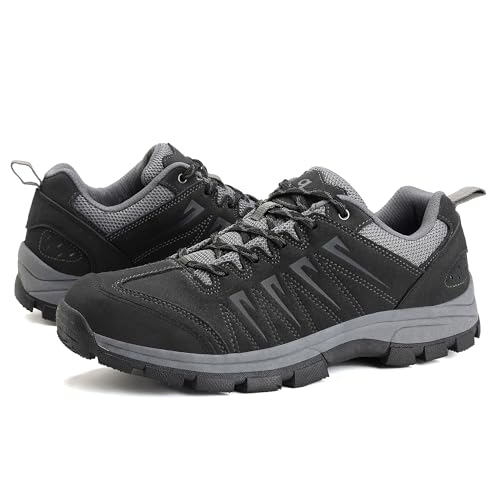
OL OUTJET LEGEND Men's Waterproof Hiking Shoes Leather Comfortable Lightweight Anti Slip Low Tops Outdoor Walking Work Shoes Black
Check price on Amazon
NORTIV 8 Men's Waterproof Hiking Shoes Leather,Dark Grey/Orange,8 | Low-Top Hiking Shoes for Outdoor Trailing Trekking Camping Walking
Check price on Amazon