Orthopedic Work Boots: The Ultimate Guide to All-Day Comfort & Support
Stop letting foot pain dictate your workday. Discover how the right orthopedic work boots can provide the arch support, cushioning, and stability you need to perform at your best.
Find Your Perfect Pair
The BootsPedia Approach: We understand that for professionals in construction, healthcare, warehousing, and other demanding fields, foot health is non-negotiable. This guide goes beyond simple product listings. We break down the anatomy of orthopedic footwear, explain key features like metatarsal guards and heel cups, and help you match the right boot to your specific foot condition and work environment. Your comfort and safety are our top priority.
Why Your Work Boots Need to Be Orthopedic
If you spend hours on hard surfaces like concrete, stand for long shifts, or carry heavy loads, standard work boots may not be enough. The repetitive stress can lead to conditions like plantar fasciitis, flat feet, and general arch pain. Orthopedic work boots are specifically engineered to mitigate these risks. They feature enhanced cushioning, firm heel counters, and superior arch support to distribute weight evenly and reduce impact on your joints. Unlike a standard boot that simply covers your foot, an orthopedic boot is a tool for injury prevention and long-term foot health. For those who need extra protection for the top of the foot, specific models come with integrated metatarsal guards, offering a critical layer of defense in hazardous workplaces.
Key Features to Look For in Supportive Work Boots
1. Superior Arch Support
The cornerstone of any orthopedic boot is its arch support. Look for boots with a contoured footbed or removable insoles that match your arch type (flat, neutral, or high). A supportive shank, often made of steel or nylon, adds rigidity to the midsole, preventing the boot from twisting and providing a stable platform. This is particularly important for those who need to replace the factory insole with a custom orthotic. Brands often design their boots with a deep heel cup and a pronounced arch to cradle the foot, which can be a game-changer for anyone suffering from conditions like plantar fasciitis.
2. Cushioning and Shock Absorption
Every step you take on a hard surface sends a shockwave through your feet, knees, and back. Orthopedic work boots combat this with advanced cushioning materials like polyurethane (PU) midsoles, EVA foam, or gel inserts. These materials absorb impact and return energy, reducing fatigue. A well-cushioned boot is not just about comfort; it's about protecting your joints from the cumulative wear and tear of a physically demanding job. The goal is to make you feel like you're walking on a supportive, yet forgiving, surface.
3. Stability and Motion Control
For those who overpronate (feet roll inward) or have unstable ankles, a boot with excellent motion control is vital. Features to look for include a firm heel counter (the rigid part at the back of the boot), a wide base of support, and sometimes a medial post on the inner side of the midsole. These elements work together to keep your foot in a neutral position, reducing the risk of sprains and strains. A stable boot also improves your balance when carrying heavy loads or navigating uneven terrain on a job site.
Finding Relief: Matching Boots to Specific Foot Conditions
Different foot conditions require different features. Here's a quick guide to help you navigate your options:
For Plantar Fasciitis
Plantar fasciitis causes sharp heel pain, often worst in the morning. Your ideal boot needs a deep, cushioned heel cup, a firm arch support, and a slightly elevated heel (a drop of 8-12mm) to reduce strain on the plantar fascia. Look for boots with a removable insole so you can insert a custom orthotic if needed. Avoiding flat, flexible boots is key. A boot with a rocker sole can also help by reducing the amount of toe flexion required when walking.
For Flat Feet (Overpronation)
If you have flat feet, your arch collapses inward with each step, which can lead to pain in the feet, ankles, and knees. You need a boot with strong motion control. Look for a firm heel counter, a dual-density midsole with a harder medial post, and a straight-lasted design (the sole is straight on the inside edge). A boot that offers maximum stability will help align your foot properly and prevent overpronation. For the utmost support, consider a full-grain leather boot, as the material offers a more stable and less flexible structure than synthetic alternatives.
For High Arches (Supination)
People with high arches often have feet that are rigid and don't absorb shock well. They need boots with excellent cushioning and flexibility. Look for a boot with a soft, cushioned midsole and a neutral or curved last. A boot with a flexible forefoot will allow your foot to flex naturally, while ample cushioning will protect against impact. While stability is important, too much motion control can be uncomfortable for a high-arched foot.
Top-Rated Orthopedic Work Boots for Ultimate Support
⚠️ AFFILIATE DISCLOSURE: This website contains affiliate links. As an affiliate Associate, we earn from qualifying purchases. If you make a purchase through these links, we may receive a small commission at no additional cost to you.
Read our full affiliate policy.

NORTIV 8 Men's Tactical Hiking Boots Lightweight Cushion,Black,12W | Side Zipper Motorcycle Combat Boots with Arch Support Sole for All Day Comfort, Outdoor Hiking Military Use 8In Terrascope
Check price on Amazon
⚠️ Note: The purchase links above are affiliate links. As an Amazon Associate, we earn from qualifying purchases at no additional cost to you.

Wolverine Men'sOverpass 6" Mid Composite Toe Waterproof Work Boot, Summer Brown, 13 X-Wide
Check price on Amazon
⚠️ Note: The purchase links above are affiliate links. As an Amazon Associate, we earn from qualifying purchases at no additional cost to you.

Mens Orthopedic Support Anti-Puncture Work Boots, Waterproof Anti-Sprain Hiking Boots, Combat Shoes for Hiking (Sand, Adult, Men, 11, Numeric, US Footwear Size System, Medium)
Check price on Amazon
⚠️ Note: The purchase links above are affiliate links. As an Amazon Associate, we earn from qualifying purchases at no additional cost to you.
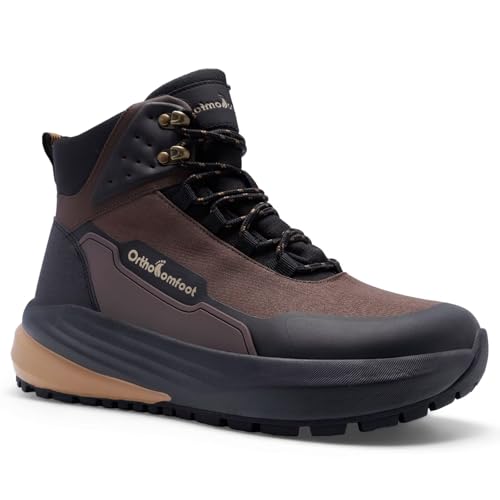
Men's Orthopedic Wide Mid Hiking Boots: Comfortable Plantar Fasciitis Orthotic Arch Support Bunions Recovery Trail Sneakers, Leisure Slip Resistant Stylish Standing Walking Shoes Brown Size 11
Check price on Amazon
⚠️ Note: The purchase links above are affiliate links. As an Amazon Associate, we earn from qualifying purchases at no additional cost to you.

Men's Orthopedic Waterproof Hiking Shoes: Wide Toe Box Arch Support for Plantar Fasciitis Arthritis Pain Relief, Non-Slip Casual Walking Ankle Boots for Driving RunningBackpacking Brown Size 12
Check price on Amazon
⚠️ Note: The purchase links above are affiliate links. As an Amazon Associate, we earn from qualifying purchases at no additional cost to you.

Skechers Men's Relment Pelmo, Khaki, 11
Check price on Amazon
⚠️ Note: The purchase links above are affiliate links. As an Amazon Associate, we earn from qualifying purchases at no additional cost to you.

NORTIV 8 Men's Composite Toe Work Boots with Wide Toe Box,Coyote,11 | ASTM F2413-24 I/75 Composite Toe & EH Protection Wide Toe Box 5mm Low Drop Side Zipper Slip-Resistant Outsole
Check price on Amazon
⚠️ Note: The purchase links above are affiliate links. As an Amazon Associate, we earn from qualifying purchases at no additional cost to you.
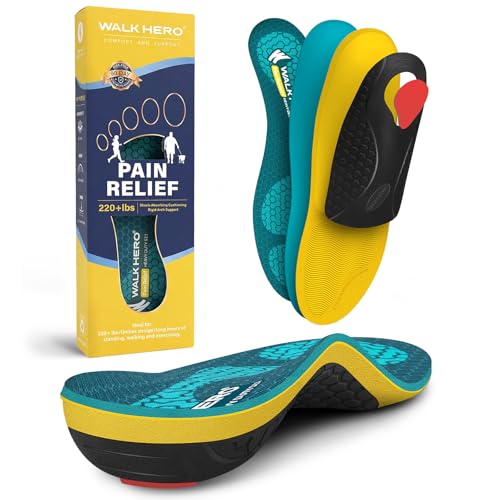
WalkHero Heavy Duty Insoles for Work Boots, 220+lbs Orthopedic Insoles | Work Boot Insoles for Men Women, Orthopedic Insoles Relieve Pain (Mens 6-6.5 | Womens 8-8.5, Coral Green)
Check price on Amazon
⚠️ Note: The purchase links above are affiliate links. As an Amazon Associate, we earn from qualifying purchases at no additional cost to you.
Your Buying Guide: Making the Right Choice
Before you buy, consider these final points to ensure you get the best possible fit and function. The right pair of boots can be the difference between a productive day and one filled with agony.
- Fit is Everything: Always get your feet professionally measured. Your feet can change size over time. Try on boots at the end of the day when your feet are at their largest, and wear the same type of socks you'll use at work. A proper fit should have about a thumb's width of space between your longest toe and the front of the boot.
- Consider Custom Orthotics: If you have a diagnosed foot condition, the best investment you can make is a pair of custom orthotics. Many of the best work boots feature removable insoles, allowing you to replace them with your custom orthotics for a truly personalized fit. This is a common recommendation for those who need specialized metatarsal footwear.
- Think About the Upper Material: Leather is durable, breathable, and molds to your foot over time. Synthetic materials are often lighter and more water-resistant. Both can be excellent choices depending on your work environment. For a classic, supportive option, a brown chelsea boot for men can be a stylish and comfortable choice for lighter-duty work.
- Don't Neglect Maintenance: A good pair of leather boots will last longer and feel better if you care for them. Regular cleaning and conditioning are crucial. Learning about oiling boots is a simple step that keeps the leather supple and water-resistant. Also, using a boot scrubber can help you quickly remove dirt and grime before it damages the material.
Related Boot Topics for Your Consideration
While orthopedic work boots are designed for specific needs, you may also be interested in other types of supportive footwear. For lighter-duty comfort, consider a pair of lightweight boots that offer many of the same ergonomic benefits. If you're also looking for something for casual wear, a pair of everyday boots can be both stylish and comfortable. And don't forget that caring for your boots is key to their longevity and performance.
Disclaimer
The information provided on BootsPedia is for educational and informational purposes only. We are not professional footwear specialists or cobblers, and our content should not replace professional advice. Always consult with a qualified expert regarding fit, safety, or material-related concerns. Some content may use AI assistance. Always check product warranties and safety standards before purchasing. If you do not agree, please do not use this website.
Read the full disclaimer.
