
What Are Metatarsal Guards?
Metatarsal guards are protective devices designed to shield the top of your foot—specifically the metatarsal bones—from impact, compression, and puncture injuries. Unlike standard steel toe boots that only protect your toes, metatarsal footwear extends protection across the entire top of the foot, covering the long bones that connect your toes to your ankle.
These guards are typically integrated into safety boots or worn as external attachments. They're essential for anyone working in environments where heavy objects might fall on their feet, or where rolling or compression hazards exist. Industries like construction, mining, logging, manufacturing, and warehousing commonly require metatarsal protection as part of their workplace safety protocols.
The metatarsal bones are particularly vulnerable because they're long, relatively thin, and have minimal natural padding. A dropped tool, a rolling barrel, or a falling piece of equipment can cause fractures that take months to heal and may lead to long-term mobility issues. That's why investing in quality metatarsal guards is not just a safety requirement—it's a smart career decision.
Types of Metatarsal Guards
Understanding the different types of metatarsal guards helps you choose the right protection for your specific work environment. Each type offers distinct advantages depending on your industry, job requirements, and personal preferences.
Internal Metatarsal Guards
Internal guards are built directly into the boot's construction, typically positioned between the outer leather and inner lining. They offer seamless protection without external bulk, making them ideal for workers who need to move quickly or navigate tight spaces. Internal guards are often made from lightweight composite materials like carbon fiber or plastic polymers, providing excellent protection without the weight of traditional steel.
These guards are permanently fixed, so you never have to worry about forgetting them or dealing with loose attachments. However, they do limit your choice of footwear since you must buy boots with built-in protection. For workers who need reliable, everyday protection, internal guards are often the most practical choice.
External Metatarsal Guards
External guards attach to the outside of your boots, usually secured with straps or buckles. They offer the advantage of versatility—you can add them to your existing boots when needed and remove them when not required. This makes them a cost-effective solution for workers who only occasionally need metatarsal protection.
External guards are typically made from hard plastic, aluminum, or steel. While they provide excellent impact resistance, they can be bulkier and may snag on equipment or debris. They also require regular inspection to ensure the attachment mechanisms remain secure. For occasional use or when you need to retrofit existing footwear, external guards are a practical choice.
Semi-Integrated Guards
Semi-integrated guards offer a middle ground between internal and external options. These guards are partially built into the boot but can be removed or adjusted as needed. They provide many of the benefits of both types—better protection than external guards with more flexibility than fully internal designs.
Many modern work boots feature this hybrid approach, allowing workers to customize their protection level based on the task at hand. If you're looking for a balance between convenience and flexibility, semi-integrated guards are worth considering.
Materials and Protection Standards
The material of your metatarsal guard directly impacts its protective capabilities, weight, and comfort. Understanding the options helps you make an informed decision based on your specific needs.
Steel Metatarsal Guards
Steel guards offer the highest level of impact and compression protection. They're heavy but incredibly durable, capable of withstanding significant forces without deformation. Steel guards are often the choice for heavy industries like mining, construction, and foundries where extreme protection is non-negotiable.
However, steel guards conduct electricity and can be uncomfortable in extreme temperatures. They're also heavier, which can lead to fatigue during long shifts. For workers who need maximum protection and don't mind the weight, steel remains the gold standard.
Composite Metatarsal Guards
Composite guards—made from materials like carbon fiber, Kevlar, and advanced polymers—offer excellent protection at a fraction of the weight of steel. They're non-conductive, making them suitable for electrical work, and they don't transfer heat or cold as readily as metal.
While composites may not match steel's absolute impact resistance, they meet the same ASTM safety standards and are often more comfortable for all-day wear. For workers who prioritize comfort without sacrificing safety, composite guards are an excellent choice. Many orthopedic work boots now feature composite metatarsal protection.
Understanding ASTM Standards
In the United States, metatarsal guards are tested and certified under ASTM F2413 standards. This specification covers impact resistance (dropped objects) and compression resistance (rolling loads). Guards are rated for specific protection levels—typically 75 foot-pounds for impact and 2,500 pounds for compression.
When shopping for metatarsal guards, always look for the ASTM F2413 certification label. This ensures the product has been independently tested and meets minimum safety requirements. Don't compromise on certification—your feet are worth the investment.
How to Choose the Right Metatarsal Guards
Selecting the right metatarsal guards involves balancing protection, comfort, and practicality. Here are the key factors to consider:
Assess Your Work Environment
Start by identifying the specific hazards in your workplace. Are there heavy objects that could fall on your feet? Is there a risk of rolling loads? Do you work around sharp objects that could puncture? The answers determine the level of protection you need.
For high-impact environments like construction sites or warehouses, internal or steel guards offer the best protection. For moderate-risk environments, composite or external guards may suffice. If you work in multiple environments, consider pull-on work boots with integrated metatarsal protection for versatility.
Consider Comfort and Fit
Metatarsal guards add bulk to your footwear, so proper fit is essential. Ill-fitting guards can cause discomfort, restrict movement, and even create new safety hazards. Look for boots with adjustable straps or customizable fits.
Weight is another consideration. Steel guards can add significant weight to your boots, leading to fatigue during long shifts. If you're on your feet all day, composite or internal guards may be more comfortable. Many workers find that lightweight boots with composite metatarsal protection offer the best balance of safety and comfort.
Check Compatibility with Other Safety Gear
Metatarsal guards must work seamlessly with your other safety equipment. If you wear boots galoshes or other protective overshoes, ensure they fit over your metatarsal guards. Similarly, if you use orthotic inserts, check that they don't interfere with the guard's positioning.
For workers who need waterproof protection, consider waterproof duck boots with integrated metatarsal guards. This combination provides comprehensive protection against both impact and moisture.
Maintaining Your Metatarsal Guards
Proper maintenance extends the life of your metatarsal guards and ensures they continue providing reliable protection. Here's how to care for them:
Regular Inspection
Inspect your metatarsal guards before every use. Check for cracks, deformation, loose attachments, or signs of wear. Any damage compromises protection and warrants immediate replacement. For steel guards, look for dents or bends that could indicate structural weakness.
Pay special attention to attachment points on external guards. Straps can stretch or fray over time, and buckles can loosen. Replace worn components promptly to maintain secure fit.
Cleaning and Storage
Keep your metatarsal guards clean and dry. Dirt and debris can accumulate in crevices, potentially affecting fit and function. Use a damp cloth to wipe down guards after each use, and allow them to dry completely before storing.
For leather boots with integrated guards, regular conditioning keeps the leather supple and prevents cracking. Products like oiling boots can help maintain leather integrity while protecting the guard's housing. A boot scrubber makes cleaning your boots and guards quick and easy.
When to Replace
Metatarsal guards have a limited lifespan. Even without visible damage, the materials degrade over time, reducing protective capabilities. Most manufacturers recommend replacing guards every 6–12 months for heavy use, or every 1–2 years for moderate use.
Replace guards immediately after any significant impact, even if they appear intact. The force of a heavy blow can compromise internal structures without obvious external damage. When in doubt, err on the side of caution and replace.
Frequently Asked Questions About Metatarsal Guards
Are metatarsal guards required by OSHA?
OSHA requires employers to provide foot protection when there's a risk of foot injuries from falling or rolling objects, or from objects piercing the sole. While OSHA doesn't specifically mandate metatarsal guards, they are often the most effective way to comply with these requirements in high-risk environments. Employers must conduct hazard assessments and provide appropriate protection based on those assessments.
Can I add metatarsal guards to any boots?
External guards can be added to many types of boots, but they work best with sturdy work boots that have secure attachment points. Internal guards must be built into the boot during manufacturing. If you're retrofitting external guards, ensure they fit securely and don't interfere with your gait or create tripping hazards.
Do metatarsal guards make boots uncomfortable?
Modern metatarsal guards are designed with comfort in mind. Composite and internal guards add minimal weight and bulk, and many feature ergonomic designs that conform to the foot's natural shape. Proper fit is key—take time to find boots that match your foot shape and size, and consider shoes booster products to improve comfort.
How much do metatarsal guards cost?
External metatarsal guards typically cost $30–$80 per pair. Work boots with integrated metatarsal protection generally range from $100–$250, depending on brand, materials, and features. Premium options with advanced composite materials and additional safety features can exceed $300. Given the potential cost of a foot injury—both in medical expenses and lost wages—metatarsal guards are a worthwhile investment.
Can metatarsal guards be worn with orthotics?
Yes, many metatarsal guards are compatible with orthotic inserts. However, you may need to adjust the fit or choose boots with removable footbeds. Internal guards can sometimes interfere with orthotic placement, so external or semi-integrated options may be more suitable. Consult with a podiatrist if you have specific foot health concerns.
Recommended Metatarsal Guards & Protective Footwear
⚠️ AFFILIATE DISCLOSURE: This website contains affiliate links. As an affiliate Associate, we earn from qualifying purchases. If you make a purchase through these links, we may receive a small commission at no additional cost to you. Read our full affiliate policy.
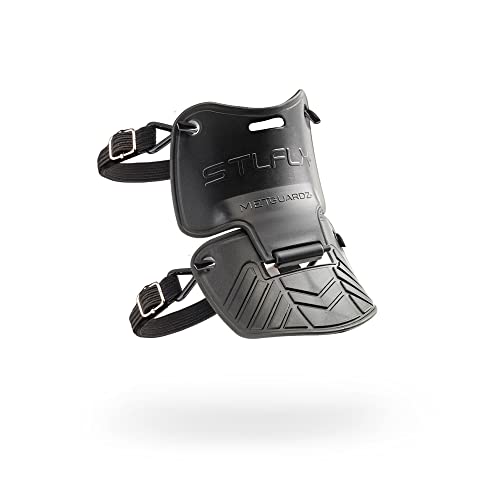
STLFLX - MetGUARDZ™ Metatarsal Guard for Safety Boots and Shoes | Shoe/Work Boot Metatarsal Protector with Straps Set, SEN 605, Pull On Version
Check price on Amazon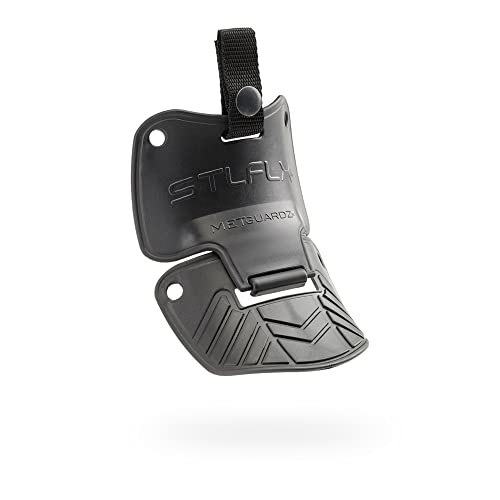
STLFLX - MetGUARDZ™ Metatarsal Guard for Safety Boots and Shoes | Shoe/Work Boot Metatarsal & Lace Protector, SEN 600, Lace-Up Version
Check price on Amazon
QWORK Metatarsal Guards for Safety Shoes and Boots - Metatarsal Shield Footwear Attachment, Universal Size, 20 Pairs
Check price on Amazon
QWORK Metatarsal Guard, 10 Pair Safety Footwear Attachment for Metatarsal Protection, Safety Shoe Cover for Most Work Boots, Universal Size
Check price on Amazon
Metatarsal Guards, 2pcs Toe Protector, Pro Metatarsal Shield Footwear Attachment for Metatarsal Guard Safety Shoe Protectors Cover for Shoe, Work Boot Universal Size ((1pairs/2pcs)
Check price on Amazon
Metatarsal Guard for Safety Shoes, Metatarsal Shield Attachment Set | 1Pair Metatarsal Guards, Metatarsal Shield Footwear Attachment Set for Safety Shoe Protector Cover for Shoe, Universal Size
Check price on Amazon
Qwork Metatarsal Guard, 2 Pack Safety Footwear Attachment for Protection, Shoe Cover Most Work Boots, Universal Size (2 Pair) (WD8825)
Check price on Amazon
QWORK Metatarsal Guard, Safety Footwear Attachment for Metatarsal Protection, Safety Shoe Cover for Most Work Boots, Universal Size (1 Pair)
Check price on AmazonProtect Your Feet, Protect Your Career
Metatarsal guards are more than just safety equipment—they're an investment in your long-term health and productivity. A single foot injury can sideline you for weeks or months, affecting your income and quality of life. By choosing the right metatarsal protection for your work environment, you're safeguarding your ability to work, play, and live without limitations.
Whether you choose internal, external, or semi-integrated guards, prioritize ASTM-certified protection and proper fit. Consider your specific work hazards, comfort needs, and compatibility with other safety gear. And remember—no matter how good your guards are, they need regular inspection and replacement to remain effective.
Ready to upgrade your foot protection? Explore our recommended metatarsal guards above, or browse our guides on metatarsal footwear and orthopedic work boots to find the perfect combination of safety and comfort for your needs.