
Ice Boots: The Ultimate Guide to Extreme Cold Weather Footwear
When temperatures plummet and icy conditions threaten your stability, the right pair of ice boots becomes essential safety equipment. This comprehensive guide will help you navigate the specialized world of winter footwear designed for freezing temperatures, slippery surfaces, and prolonged exposure to the elements.
Explore the GuideWhy Ice Boots Matter: Standard winter boots often fall short when conditions turn extreme. Ice boots are engineered with specific features—advanced insulation, aggressive traction, and waterproof construction—to keep you safe, warm, and mobile when the mercury drops below freezing.
Recommended Ice Boots
⚠️ AFFILIATE DISCLOSURE: This website contains affiliate links. As an affiliate Associate, we earn from qualifying purchases. If you make a purchase through these links, we may receive a small commission at no additional cost to you. Read our full affiliate policy.

Mekenwi Reusable Gel Horse Ice Boots 2 Pack, Adjustable 5 Leg Cooling Wraps
Check price on Amazon
Yaktrax Walk Traction Cleats for Walking on Snow and Ice (1 Pair), Medium
Check price on Amazon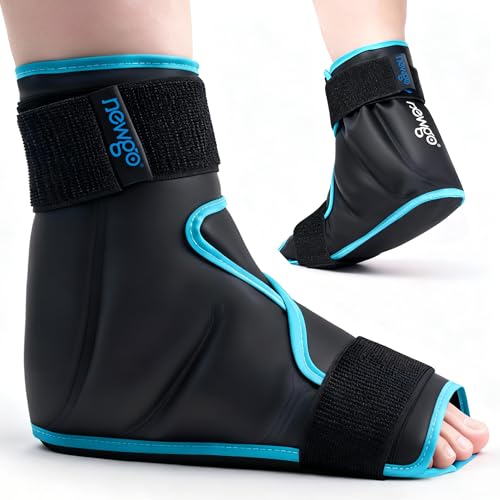
NEWGO Foot Ice Pack Wrap, Cold Compression for Plantar Fasciitis, Black
Check price on Amazon
Comfytemp Ankle Foot Ice Pack Wrap for Plantar Fasciitis Relief, Reusable
Check price on Amazon
Crampons Ice Cleats Traction Snow Grips for Boots Shoes Women Men Anti Slip 19 Stainless Steel Spikes Safe Protect for Hiking Fishing Walking Climbing Mountaineering
Check price on Amazon
Magic Gel Horse Ice Pack with Carry Case - Twin Ice Boots | Cooling Horse Leg Wraps for Hock, Ankle, Knee, Legs, Boots, and Hooves | Horse Tack, Horse Supplies & Horse Gift Ideas for Horse Lovers
Check price on Amazon
Comfpack Ankle Foot Ice Pack Wrap,2 Hours Cold for Plantar Fasciitis Relief
Check price on Amazon
SilTriangle Ice Boots for Horse of 4 Ice Pack Wraps for Horse Leg, Black
Check price on AmazonWhat Are Ice Boots and Why Do You Need Them?
Ice boots represent a specialized category of footwear designed specifically for the most challenging winter conditions. Unlike general outdoor boots or fashion-forward fashion boots, ice boots prioritize function over form, incorporating advanced materials and construction techniques to address the unique challenges of ice, snow, and extreme cold.
The defining characteristics of true ice boots include superior insulation to maintain warmth in sub-zero temperatures, waterproof and often breathable membranes to keep feet dry, and specialized outsoles with aggressive tread patterns or integrated traction devices for grip on ice. Many models also feature reinforced toe caps and heel counters for durability and protection.
Whether you're navigating icy city sidewalks, working outdoors in winter conditions, or embarking on cold-weather adventures, understanding the features that make ice boots effective will help you make an informed purchasing decision. For those who need footwear for less extreme winter conditions, men's winter snow boots may offer sufficient protection without the bulk of dedicated ice boots.
Key Features That Define Quality Ice Boots
Advanced Insulation Systems
The insulation in ice boots determines how long you can stay outside comfortably. Modern options include synthetic insulations like Thinsulate and Primaloft, which offer excellent warmth-to-weight ratios and perform well even when damp. Some premium ice boots feature removable liners that can be dried separately or replaced when worn.
For extreme cold, look for boots rated to temperatures well below freezing. The rating system varies by manufacturer, but generally, ice boots should handle temperatures from -20°F to -60°F depending on the intended use. If you need footwear for more moderate winter conditions, white winter boots may provide adequate warmth with a different aesthetic.
Waterproof Construction
Waterproofing is non-negotiable in ice boots. Whether from slush, melting snow, or accidental immersion, moisture is the enemy of warm feet. Look for boots with sealed seams, waterproof membranes like Gore-Tex or proprietary equivalents, and water-resistant leather or synthetic uppers.
The construction method matters as well—boots with fewer seams are less likely to leak. Rubber bottoms that extend up the boot provide excellent protection against water penetration. For wet conditions that don't involve extreme cold, black rain boots or cute rain boots might be more appropriate, but they lack the insulation needed for freezing temperatures.
Traction and Slip Resistance
The most critical safety feature of ice boots is their ability to grip slippery surfaces. This is achieved through aggressive lug patterns that bite into snow, specialized rubber compounds that remain flexible in cold temperatures, and in some cases, integrated metal studs or spikes.
Some ice boots feature retractable traction devices that can be deployed when needed and retracted for indoor wear. Others accept removable cleats or crampons for customizable traction. The best choice depends on your typical environment—city ice boots may prioritize walking comfort, while hiking boots for winter may focus on trail performance.
Durability and Protection
Ice boots must withstand harsh conditions, including contact with salt, sand, and abrasive ice. Reinforced toe caps protect against impact and add durability. Heel counters provide stability and structure. High-quality materials—full-grain leather, heavy-duty rubber, and abrasion-resistant synthetics—ensure the boots last multiple seasons.
For those who work in demanding environments, durable work boots with winter-specific features may be necessary. Similarly, safety footwear with insulation and traction can serve double duty for occupational settings.
Types of Ice Boots for Different Needs
Pac Boots
Pac boots feature a rubber bottom shell with a leather or synthetic upper and a removable felt or wool liner. This classic design offers excellent warmth and waterproofing, making them ideal for activities like snowshoeing, winter camping, and ice fishing. The removable liner allows for drying and replacement, extending the boot's lifespan. Pac boots are available in various heights, from ankle to knee-high, and often feature aggressive soles for traction.
Technical Ice Boots
Designed for mountaineering and ice climbing, these specialized boots feature rigid soles for crampon compatibility, extreme insulation ratings, and integrated gaiter systems. They are typically the most expensive option and are overkill for casual winter wear. However, for those who venture into truly extreme conditions, technical ice boots provide unmatched performance and safety.
Insulated Hiking Boots
For winter hiking and active outdoor pursuits, insulated hiking boots offer a balance of warmth, support, and mobility. They typically feature waterproof membranes, moderate insulation, and Vibram or similar high-traction outsoles. While not as warm as dedicated pac boots, they excel for activities that generate body heat. Consider waterproof shoes for trekking as a lighter alternative for less extreme conditions.
Casual Winter Ice Boots
For urban environments and everyday wear, casual ice boots combine winter functionality with contemporary style. These boots typically feature moderate insulation, waterproof construction, and slip-resistant soles, often in silhouettes that work with everyday outfits. Brands like Sorel, Columbia, and Merrell offer stylish options that don't sacrifice performance.
How to Choose the Perfect Ice Boots
Assess Your Climate and Activities
The first step in selecting ice boots is understanding your specific needs. Consider the typical temperature range in your area, how long you'll be outside at a time, and what activities you'll be doing. Someone who walks a dog for 30 minutes daily has different requirements than someone who works outside for 8-hour shifts or plans multi-day winter expeditions.
Understand Temperature Ratings
Boot manufacturers use different systems to rate their products' insulation. Some use temperature ratings (e.g., "rated to -40°F"), while others describe insulation weight in grams (e.g., "400g Thinsulate"). Temperature ratings are generally more useful for consumers, but keep in mind that they're based on average activity levels and individual factors like circulation vary.
Prioritize Fit and Comfort
Ice boots should fit properly—snug enough to provide stability but roomy enough for thick socks and toe movement. A common mistake is buying boots that are too tight, which restricts circulation and actually makes feet colder. Try boots on with the socks you plan to wear, and walk around to assess comfort. Pay attention to arch support, as winter activities can be hard on feet. If you have specific foot health concerns, consider safety footwear with orthopedic features or consult our arch support guide.
Evaluate Traction Systems
Traction is perhaps the most critical safety feature. Look for aggressive, multi-directional lugs made from rubber compounds designed for cold weather (they stay soft and grippy when temperatures drop). Some boots feature integrated metal studs or accept removable traction devices. For extreme conditions, consider boots compatible with crampons or dedicated ice cleats.
Consider Weight and Bulk
More insulation and features typically mean more weight and bulk. While maximum protection is important for extreme conditions, everyday users may prefer lighter, less bulky options that are easier to walk in and drive with. Balance your needs—a boot that's too heavy might discourage you from wearing it, while an inadequate boot compromises safety and comfort.
Caring for Your Ice Boots
Proper maintenance extends the life of your ice boots and ensures they perform when you need them. After each use, especially in snow and salt, clean your boots with a damp cloth to remove residue. Salt stains can damage leather and synthetic materials over time.
Allow boots to dry naturally at room temperature, away from direct heat sources like radiators or fireplaces, which can crack materials and degrade adhesives. If your boots have removable liners, take them out to dry thoroughly. Stuffing boots with newspaper can help absorb moisture.
For leather ice boots, regular conditioning maintains suppleness and water resistance. Apply a waterproofing treatment periodically, especially before the winter season begins. For those who invest in premium footwear, learning about boot polish and proper leather care techniques can significantly extend lifespan.
Inspect your boots regularly for signs of wear—worn soles, damaged seams, or compromised waterproofing. Addressing small issues early prevents bigger problems later. If your boots become damaged, consider whether repair is possible through a boot repair service or if replacement is necessary.
Safety Tips for Walking on Ice
Even the best ice boots can't eliminate all risks. Follow these safety practices when navigating icy conditions:
- Take short, shuffling steps rather than long strides to maintain balance.
- Keep your hands free when possible to help maintain balance (avoid carrying heavy loads).
- Watch for black ice—thin, transparent ice that's particularly slippery and hard to see.
- Use handrails when available, especially on stairs.
- Consider trekking poles for added stability on longer walks.
- Be extra cautious in transition areas—entrances, parking lots, and shaded areas where ice persists.
- Allow extra time for travel when conditions are icy.
For those who frequently encounter icy conditions, dedicated traction devices that slip over boots can provide additional grip. These range from simple rubber cleats to aggressive spike systems, depending on your needs. If you're looking for footwear that can handle both winter ice and other challenging terrain, climbing boots or hiking boots with winter-specific features may be worth considering.
Frequently Asked Questions About Ice Boots
How do I know if my boots are warm enough for ice fishing?
For ice fishing, look for boots rated to at least -40°F with removable liners and waterproof construction. You'll be relatively stationary, so maximum insulation is important. Pac boots are the traditional choice for this activity.
Can I use regular winter boots on ice?
While you can, regular winter boots may not provide adequate traction on ice. If you frequently walk on icy surfaces, invest in boots with specialized traction or add removable ice cleats to your existing boots.
How should ice boots fit?
Ice boots should fit snugly but allow room for thick socks and toe movement. There should be about a thumb's width of space between your longest toe and the boot's end. Always try boots on with the socks you plan to wear.
How long do ice boots last?
With proper care, quality ice boots can last 5-10 years or more. Factors affecting lifespan include frequency of use, conditions, and maintenance. Replace boots when insulation is compromised, waterproofing fails, or soles are significantly worn.
Final Thoughts on Ice Boots
Investing in quality ice boots is an investment in your safety, comfort, and mobility during the harshest winter conditions. While they represent a more significant upfront cost than standard winter footwear, the protection they provide is invaluable when temperatures drop and surfaces become treacherous.
When selecting ice boots, prioritize features that match your specific needs: insulation appropriate for your climate, reliable waterproofing, and most importantly, excellent traction. Don't hesitate to spend more for quality—your feet will thank you during the coldest days of winter.
Remember that even the best ice boots require proper care and maintenance to perform at their best. Clean and dry them after each use, condition and waterproof them regularly, and inspect them for wear throughout the season. With proper attention, your ice boots will serve you well for many winters to come.
Whether you're choosing your first pair of ice boots or upgrading to more capable footwear, the information in this guide will help you make a confident decision. Stay warm, stay safe, and embrace winter with the right boots on your feet.