Men's Winter Snow Boots: The Ultimate Guide to Warm, Dry, and Sure-Footed Comfort
Don't let winter slow you down. Discover how to choose the perfect pair of men's snow boots for any cold-weather adventure, from city commutes to mountain trails.
VIEW TOP RECOMMENDATIONS
BootsPedia Philosophy: A great winter boot is more than just footwear; it's a piece of essential gear. It's your defense against the elements, ensuring safety, warmth, and comfort when the temperature drops. This guide will walk you through everything you need to know before you buy.
Why You Need Specialized Winter Snow Boots
Your everyday shoes or even standard boots for men are not designed to handle the harsh realities of winter. Snow, slush, ice, and freezing temperatures demand a purpose-built solution. A proper men's winter snow boot is engineered with specific features to protect your feet and keep you mobile. Unlike fashion-focused fashion boots or lighter stylish boots for men, these are designed for performance.
The key differences lie in three critical areas: insulation, waterproofing, and traction. Without adequate insulation, your feet will quickly become numb, making any outdoor activity miserable and potentially dangerous. Without waterproofing, melting snow will soak through, leading to wet, cold feet and a high risk of frostbite. And without proper traction, a simple walk on an icy sidewalk can turn into a dangerous slip. This is why a dedicated pair of men winter snow boots is an investment in your comfort and safety.
While you might be tempted to use a rugged pair of outdoor boots or hiking boots, they often lack the specific thermal insulation needed for sub-zero temperatures. A dedicated winter boot is the right tool for the job.
Key Features to Look For in Men's Snow Boots
Before you start shopping, understanding the technology and materials is crucial. This knowledge will help you cut through the marketing jargon and select a boot that genuinely meets your needs.
1. Insulation: Keeping the Warmth In
Insulation is the most important feature for warmth. It works by trapping air and creating a barrier between your foot and the cold outside. Look for boots with synthetic insulation like Thinsulate, PrimaLoft, or a proprietary brand's version. The level of insulation is often rated in grams (e.g., 200g, 400g, 600g, 800g+). Higher grams mean more warmth but also more bulk. For everyday wear in a moderate climate, 200g-400g is sufficient. For extreme cold or extended periods outdoors, 600g or more is recommended. Some premium boots may also use felt or wool liners, which are excellent natural insulators.
2. Waterproofing: Keeping the Wet Out
Waterproofing is non-negotiable. Snow will melt on your boots, and you'll inevitably step in slush or puddles. Look for boots made with waterproof materials like treated leather, synthetic nylons with a waterproof membrane (like GORE-TEX or a similar proprietary technology), or rubber. A good sign is a "waterproof" claim, but be wary of "water-resistant," which will only protect you in light snow. A fully waterproof boot has sealed seams and a construction that prevents any moisture from entering. For the most extreme wet conditions, a rubber boot like a mexican boot or a dedicated black rain boot may be a good alternative, but they lack the same level of insulation and style for everyday wear.
3. Traction: Staying on Your Feet
Slipping on ice is a primary winter hazard. The outsole of your boot is your only contact with the ground, so its design is critical. Look for a rubber outsole with a deep, aggressive tread pattern. The lugs (the raised bumps) should be multi-directional to grip in all directions. For icy conditions, look for boots with a specialized compound that remains soft in freezing temperatures, such as Vibram's Arctic Grip or similar technologies. A boot with a non-slip design is what you're aiming for.
4. Materials and Construction
The upper part of the boot is typically made from leather, nubuck, suede, or synthetic materials. Full-grain leather is the most durable and water-resistant when properly treated. Synthetic materials are often lighter and can be more affordable. The construction method also matters. A boot with a sealed, one-piece shell or a cemented construction is generally more waterproof than a stitched boot, as stitching can create tiny holes for water to seep through. A Goodyear welt construction, while durable and resolable, may not be fully waterproof without additional sealing.
5. Fit and Comfort
Proper fit is essential. You should have enough room to wear a thick, warm sock without your toes feeling cramped. Your toes should be able to wiggle freely. A cramped toe box can restrict circulation, making your feet colder. Look for boots with a comfortable footbed and good arch support. A wide-fit boot is a great option for those with broader feet. Remember, you'll be wearing these boots for extended periods, so comfort is key.
Top-Rated Men's Winter Snow Boots
⚠️ AFFILIATE DISCLOSURE: This website contains affiliate links. As an affiliate Associate, we earn from qualifying purchases. If you make a purchase through these links, we may receive a small commission at no additional cost to you.
Read our full affiliate policy.
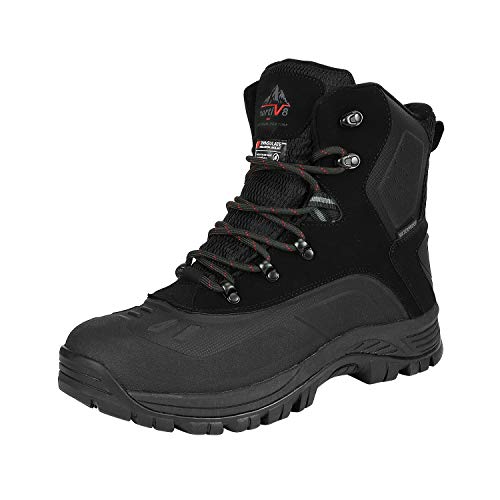
NORTIV 8 Men's Waterproof Hiking Winter Snow Boots,Black/1,11 | Insulated Construction Hunting Ski Work Boots TUNDRA
Check price on Amazon
⚠️ Note: The purchase links above are affiliate links. As an Amazon Associate, we earn from qualifying purchases at no additional cost to you.
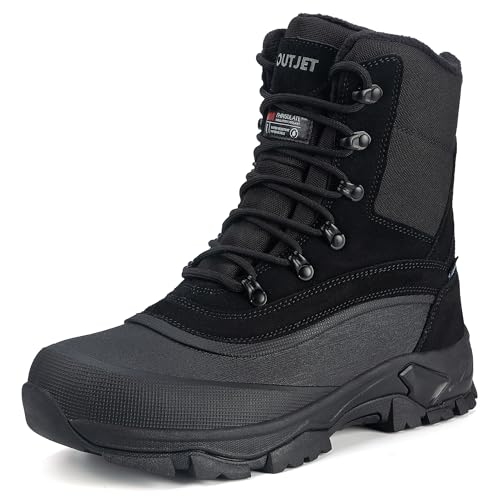
OUTJET Men's Insulated Winter Snow Boots Waterproof | 200g 3M Thinsulate Insulated Construction -25°F Cold Protection Warm Slip Resistant for Outdoor Work Winter Hiking
Check price on Amazon
⚠️ Note: The purchase links above are affiliate links. As an Amazon Associate, we earn from qualifying purchases at no additional cost to you.

SUEDI Men's Snow Boots Insulated Waterproof Lightweight Winter Boots Slip Resistant Duck Boots for Men Black Size 10
Check price on Amazon
⚠️ Note: The purchase links above are affiliate links. As an Amazon Associate, we earn from qualifying purchases at no additional cost to you.

OUTJET Men's Waterproof Winter Snow Boots Insulated Lightweight | 200g 3M Thinsulate Insulated Construction Warm Faux Fur Lined Comfortable Slip Resistant for Outdoor Walking
Check price on Amazon
⚠️ Note: The purchase links above are affiliate links. As an Amazon Associate, we earn from qualifying purchases at no additional cost to you.
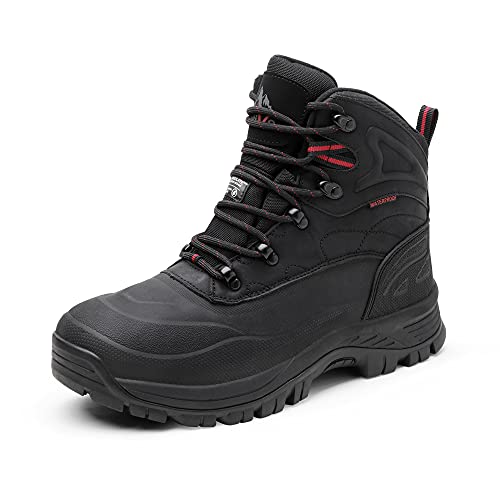
NORTIV 8 Men's Waterproof Hiking Winter Snow Boots,Black,8 | Insulated Construction Hunting Ski Work Boots TUNDRA
Check price on Amazon
⚠️ Note: The purchase links above are affiliate links. As an Amazon Associate, we earn from qualifying purchases at no additional cost to you.

Muck Arctic Pro Tall Rubber Insulated Extreme Conditions Men's Hunting Boots
Check price on Amazon
⚠️ Note: The purchase links above are affiliate links. As an Amazon Associate, we earn from qualifying purchases at no additional cost to you.

Columbia Mens Bugaboot III Waterproof Snow Boot, Black/Bright Red, 9 | Bugaboot III Hiking Boot delivers rugged waterproof protection with reliable warmth and grip
Check price on Amazon
⚠️ Note: The purchase links above are affiliate links. As an Amazon Associate, we earn from qualifying purchases at no additional cost to you.
Choosing the Right Boot for Your Winter Activities
The ideal boot depends on how you plan to use it. There is no single "best" boot for everyone, but there is a best boot for your specific needs.
For Everyday Commuting and Urban Wear
If you're mostly walking on cleared sidewalks and need a boot that transitions well from the street to the office, prioritize a balance of style, warmth, and moderate weather protection. A sleek, leather boot with 200g of insulation and a solid rubber sole will be perfect. It will keep you warm on your commute without looking like you're about to scale a mountain. A boot like a ranger boot or a rugged biker boot for men can often serve this dual purpose well.
For Outdoor Work and Recreation
If your winter involves shoveling snow, walking the dog in the park, or light winter hiking, you'll need a more rugged boot. Look for higher insulation ratings (400g+), an aggressive outsole for grip on uneven terrain, and a taller shaft to keep snow out. A boot that can handle the demands of farm work or a rugged tanker boot would be an excellent choice. These are designed for function and durability in tough conditions.
For Extreme Cold and Deep Snow
For activities like snowshoeing, ice fishing, or extended periods in extreme cold, you need a serious piece of equipment. Look for boots with 600g-800g+ of insulation, a completely waterproof and often taller design, and a sole specifically engineered for ice and snow. These boots are often bulkier but offer maximum protection. A boot from a specialized brand like ice boots or a high-performance waterproof shoe for trekking might be necessary. For those who need to spend all day on their feet in the cold, a pair of durable walking boots with winter-specific features is essential.
How to Care for Your Winter Snow Boots
To ensure your boots last for many winters, proper care is essential. After each wear, especially in snow and slush, wipe them down with a damp cloth to remove salt and dirt. Salt stains can dry out leather and cause it to crack. Allow your boots to air dry naturally at room temperature. Never place them directly on a radiator or heater, as high heat can damage the materials and insulation.
For leather boots, regularly apply a waterproofing conditioner or wax to maintain their water resistance and keep the leather supple. For suede or nubuck, use a specialized protector spray. Using a boot polish can also help maintain the appearance and protective qualities of leather. Additionally, using a boot remover or a bootjack can help you take them off without damaging the heel, and storing them with a boot tree or in a boot storage cover can help them keep their shape.
Disclaimer
The information provided on BootsPedia is for educational and informational purposes only. We are not professional footwear specialists or cobblers, and our content should not replace professional advice. Always consult with a qualified expert regarding fit, safety, or material-related concerns. Some content may use AI assistance. Always check product warranties and safety standards before purchasing. If you do not agree, please do not use this website.
Read the full disclaimer.
