
Boots for Men: The Complete Buying Guide
From rugged work boots to refined leather styles, discover how to choose men's boots that deliver on fit, durability, and everyday style. This guide walks you through every decision point before you buy.
Browse Top PicksWhy This Guide Matters: Most men keep a pair of boots for years, yet many buy the wrong size, wrong sole, or wrong leather for their actual needs. The result is blisters, premature wear, and wasted money. Below, we break down boot categories, fit science, materials, and price expectations so your next purchase lasts a decade, not a season.
Best Boots for Men: Top Picks Worth Buying
⚠️ AFFILIATE DISCLOSURE: This website contains affiliate links. As an affiliate Associate, we earn from qualifying purchases. If you make a purchase through these links, we may receive a small commission at no additional cost to you. Read our full affiliate policy.

Lumeheel Cowboy Boots for Men - Western Men's Boots with Classic Embroidered, Slip on Square Toe Country Boots with Chunky Heel, Durable Short Ankle Boots for Spring Fall, Brown, Size 10
Check price on Amazon
IUV Cowboy Boots for Men Western Boots Square Toe | Slip on Embroidered arch support Boot Fashionable Pull On
Check price on Amazon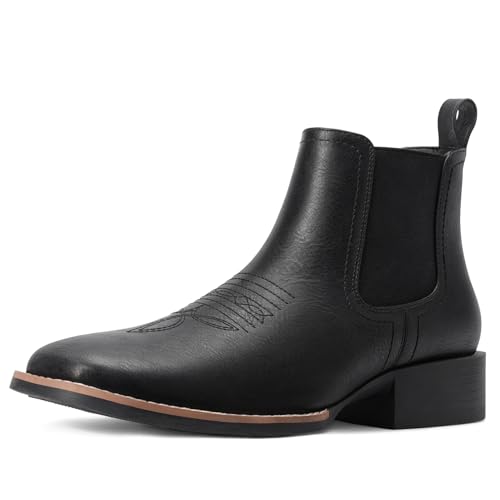
Choiran Western Ankle Cowboy Boots for Men - Mens Square Toe Chelsea Boots for Men Casual Retro Stylish Black
Check price on Amazon
JASONSTAR Cowboy Boots for Men Square Toe, All-Weather Slip-On Work & Casual Western Chelsea Boots -botines para hombre
Check price on Amazon
Lumeheel Cowboy Boots for Men - Western Men's Boots with Classic Embroidered, Slip on Square Toe Country Boots with Chunky Heel, Durable Short Ankle Boots for Spring Fall, Black White, Size 10
Check price on Amazon
IUV Cowboy Boots For Men Western Boot Durable Fashionable Retro Classic Embroidered Pull On Slip Resistant Boots
Check price on Amazon
Lugz Men's Convoy Classic 6-inch Chukka Boot, Golden Wheat/Bark/Tan/Gum, 12 M
Check price on Amazon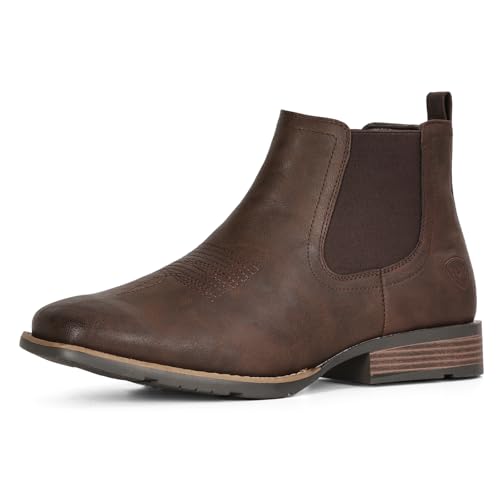
Cowboy Boots For Men Ankle Boots Western Boot Casual Dress Pull On Chelsea
Check price on AmazonUnderstanding the Main Categories of Men's Boots
Before comparing brands or prices, you need to match the boot category to your actual use case. A tactical boot worn to an office looks out of place, and a dress Chelsea boot on a construction site is a safety hazard. Here is how the major categories break down.
Work & Safety Boots
Built for job sites, warehouses, and industrial floors. Look for steel toe shoes or composite toe shoes depending on whether you need electrical hazard protection. Non-slip outsoles are essential for wet or oily surfaces.
Related: men's work shoes · safety shoes
Hiking & Trekking Boots
Designed for uneven terrain with ankle support, aggressive tread, and breathable or waterproof membranes. Choose mid-cut for day hikes and full-height for multi-day backpacking with heavy loads.
Related: hiking footwear · lightweight trekking shoes
Cowboy & Western Boots
A cultural staple with a distinctive pointed or square toe, underslung heel, and tall shaft. Modern versions use exotic leathers like ostrich leather or cow skin for dressier occasions.
Related: cowboy boots for men · western cowboy boots
Casual & Dress Boots
Chelsea, chukka, and Oxford styles that transition from office to dinner. Smooth leather uppers and slim profiles define this category. The men's Chelsea boot is the most versatile entry point.
Related: Oxford boots · Oxford boot shoes
Winter & Snow Boots
Insulated, waterproof, and often lined with fleece or Thinsulate. Rubber bottoms and deep lugs grip ice and packed snow. Essential for cold-climate commuters and outdoor workers.
Related: rubber waterproof boots · waterproof rain boots
Lace-Up & Tactical Boots
Full lace-up boots provide the most secure ankle lock. Tactical versions add side zippers, moisture-wicking liners, and subdued colorways for uniform or field use.
Related: lace-up boots · ground shoes
How Men's Boots Should Actually Fit
Boot sizing is not the same as sneaker sizing. Most men need to go down half a size from their athletic shoe size because boot lasts are built with more volume and a roomier toe box. Always measure your foot at the end of the day when feet are slightly swollen.
| Fit Checkpoint | What to Look For | Common Mistake |
|---|---|---|
| Heel Lock | Heel stays put with no vertical slip when walking | Buying too long to fix width |
| Toe Room | Thumb's width between longest toe and boot end | Sizing up for thick socks only |
| Instep Pressure | Snug but not painful across the top of the foot | Ignoring high instep needs |
| Width | Ball of foot sits comfortably on the widest part | Assuming D width fits everyone |
| Break-In | Leather softens in 1–2 weeks, not months | Accepting long-term pain as normal |
If you have a high arch or plantar issues, look at minimalist footwear options or add aftermarket insoles. Wide-footed men should prioritize brands offering EE and EEE widths. For those who prefer a roomier fit without going up a size, bootcut jeans boots pairings often accommodate bulkier shafts.
Materials and Construction That Determine Longevity
The difference between a boot that lasts two years and one that lasts fifteen comes down to three things: leather quality, sole attachment, and lining.
- Full-grain leather — the strongest and most breathable. Develops a patina over time. Best for high-quality boots.
- Goodyear welt — a stitched sole construction that allows resoling. Look for Goodyear welt boots if you want decades of wear.
- Rubber outsoles — superior grip on wet surfaces. Vibram and similar compounds resist oil and heat.
- Leather lining — molds to your foot but takes longer to dry. Synthetic linings dry faster but wear out sooner.
- Waterproof membranes — Gore-Tex and similar keep water out while letting vapor escape. Essential for snow waterproof boots.
Proper care extends any boot's life. Use a leather boot conditioner every 2–3 months, and a leather shoe conditioner for dressier pairs. For scuffs and color restoration, a shoe boot polish is indispensable.
What Men's Boots Should Cost
Price correlates strongly with materials and construction. Here is a realistic breakdown based on current market conditions.
| Category | Typical Price Range | What You Get |
|---|---|---|
| Budget Work Boots | $80–$150 | Cemented soles, synthetic uppers, 1–2 year lifespan |
| Mid-Range Work & Hiking | $150–$280 | Waterproof membranes, better lugs, 3–5 years |
| Premium Leather & Western | $280–$600 | Full-grain leather, Goodyear welt, resoleable |
| Luxury & Exotic Skin | $600–$2,500 | Ostrich, caiman, handmade construction |
Hunting for deals? Work boots on sale, cowboy boots for sale, and men's hiking boots sale pages rotate stock frequently. If budget is tight, cheap boots for men and cheap steel toe boots can still deliver acceptable performance for light-duty use.
Styling Men's Boots Without Looking Like You Tried Too Hard
Boots anchor an outfit. The rule is simple: match formality levels. A roughout work boot clashes with a suit; a polished Chelsea boot elevates dark denim and a blazer.
Everyday Casual
Pair brown leather boots with dark straight-leg jeans or chinos. A plain tee or flannel completes the look. Avoid overly distressed denim with dressy boots.
Smart Casual & Office
Chelsea or Oxford boots in black or dark brown work with wool trousers and a button-down. Keep the shaft slim so it tucks cleanly under the hem.
Western & Rodeo
Cowboy boots demand bootcut jeans that sit over the shaft, not bunched inside. Add a western shirt and a belt with a simple buckle.
Outdoor & Rugged
Hiking boots pair naturally with technical pants and merino socks. For cold weather, high-quality socks make more difference than the boot itself.
Boot Care Routine That Doubles Lifespan
A five-minute routine every few weeks prevents cracking, salt stains, and sole separation. Here is the sequence professionals use.
- Brush off dirt and dust with a horsehair brush after every wear.
- Wipe salt stains with a diluted vinegar solution in winter months.
- Apply conditioner to clean, dry leather. Let it absorb for 20 minutes.
- Polish for shine or apply waterproofing wax for protection.
- Insert cedar shoe trees to absorb moisture and hold shape.
- Store in a cool, dry place — never near a radiator or direct sun.
For storage and travel, consider boot jack boots accessories and dedicated boot bags. If your boots need professional attention, check boot factory outlet repair services or local cobblers who specialize in welted footwear.
Five Mistakes Men Make When Buying Boots
1. Buying for Looks Only
A beautiful boot that hurts after two hours is a bad purchase. Comfort and fit always come first.
2. Ignoring Arch Support
Flat insoles cause fatigue. Look for boots with removable footbeds so you can add orthotics if needed.
3. Skipping Break-In
Wear new boots for short periods at home before committing to a full day. Leather needs time to mold.
4. Wrong Sole for the Surface
Hard leather soles slip on wet tile. Soft rubber wears fast on concrete. Match the outsole to your environment.
5. Never Conditioning
Dry leather cracks and tears. A $12 conditioner every few months saves a $300 boot.
Frequently Asked Questions About Men's Boots
Should I size down or up for men's boots?
Most men should size down half a size from their athletic sneaker size. Boot lasts generally run roomier than running shoes. If you plan to wear thick wool socks, stay true to your measured size or go up half a size only if the boot has no room in the toe box.
How long should a good pair of boots last?
With proper care, a welted leather boot can last 10–20 years with resoling every 3–5 years. Cemented (glued) soles typically last 2–4 years before the sole separates. Work boots used daily on abrasive surfaces may need replacement every 12–18 months regardless of quality.
Are expensive boots really worth it?
Yes, if you factor cost-per-wear. A $400 Goodyear welted boot resoled three times over 15 years costs less per year than replacing a $120 boot every two years. The comfort and foot health benefits also compound over time.
What is the best boot for wide feet?
Look for brands that offer EE and EEE widths. Lace-up styles accommodate wide feet better than slip-on Chelsea boots because you can adjust the instep tension. Avoid pointed toes; square or round toe boxes give more room.
Can I wear cowboy boots with jeans?
Absolutely. The key is jean cut. Bootcut or straight-leg jeans sit over the boot shaft and let the heel show slightly. Skinny jeans bunch awkwardly over the shaft and look dated with western boots. Dark washes work best for dressier occasions.
How do I waterproof leather boots?
Clean the leather first, then apply a wax-based waterproofing product with a brush or cloth. Let it dry overnight. Reapply every 2–3 months during wet seasons. Avoid silicone sprays on high-quality leather as they can clog pores.
Ready to buy? Scroll back up to our recommended picks, or explore our full boots for men collection to compare current prices and availability.
View Top Picks