
Leather Shoe Conditioner: The Complete Guide to Restoring & Protecting Your Footwear
Discover how the right leather shoe conditioner can transform dry, cracked leather into soft, supple, and durable footwear. Your boots deserve this level of care.
Shop Recommended ConditionersWhy Conditioner Matters: Leather is skin. Without proper conditioning, it dries out, cracks, and loses its strength. A high-quality leather shoe conditioner replenishes natural oils, restores flexibility, and creates a protective barrier against the elements. Whether you own work boots, dress shoes, or casual leather footwear, conditioning is not optional—it's essential maintenance.
What Exactly Is Leather Shoe Conditioner?
Leather shoe conditioner is a specialized product designed to moisturize, nourish, and protect leather footwear. Unlike polish, which primarily provides color and shine, conditioner penetrates deep into the leather fibers to restore essential oils that are lost through daily wear, exposure to moisture, and environmental factors.
Think of it this way: polish is cosmetic, but conditioner is therapeutic. A quality conditioner will soften stiff leather, prevent cracking, and extend the lifespan of your investment. For those who own high-quality boots or durable boots, regular conditioning is the difference between footwear that lasts a season and footwear that lasts a decade.
Conditioners come in various forms—creams, waxes, oils, and balms—each with unique properties. The best choice depends on the type of leather, the intended use, and the level of protection required.
Types of Leather Conditioners: Which One Is Right for You?
Not all conditioners are created equal. Understanding the differences will help you make an informed decision based on your footwear's needs.
1. Cream Conditioners
Cream conditioners are the most versatile and popular choice. They offer a balanced blend of moisturizing and protective properties. Ideal for smooth leather, they absorb quickly without leaving a greasy residue. If you're conditioning Oxford boots for men or men's Chelsea boots, a cream conditioner is often the safest and most effective option.
2. Wax-Based Conditioners
Wax conditioners provide superior water resistance and durability. They are excellent for heavy-duty footwear like high-quality work boots and Goodyear welt boots. However, wax can darken leather and may not be suitable for delicate or exotic skins. Use wax conditioners sparingly and buff thoroughly.
3. Oil-Based Conditioners
Oil conditioners, such as mink oil or neatsfoot oil, penetrate deeply and restore flexibility to very dry leather. They are particularly effective for leather boot conditioner applications on rugged boots. Be cautious—some oils can darken leather significantly and may weaken stitching over time if overused.
4. Balms and Salves
Balms are thick, rich blends of waxes and oils. They offer intense conditioning and are ideal for extremely dry or weathered leather. A little goes a long way. Balms are a favorite for Western cowboy boots and handmade cowboy boots that see heavy use.
Recommended Leather Shoe Conditioners
⚠️ AFFILIATE DISCLOSURE: This website contains affiliate links. As an affiliate Associate, we earn from qualifying purchases. If you make a purchase through these links, we may receive a small commission at no additional cost to you. Read our full affiliate policy.

Feilove 4-in-1 Mink Oil Leather Conditioner and Cleaner Kit 3.52 oz - Premium Waterproof Leather Care for Boots, Shoes and Bags
Check price on Amazon
Bick 4 Leather Conditioner & Cleaner, Won't Darken Boots, Couch, Bags 8 oz | Made in USA, For Shoes, Furniture, Jackets, Auto Interiors, Apparel & Accessories
Check price on Amazon
Leather Honey Leather Conditioner – Non-Toxic & Made in the USA Since 1968 | Restores & Protects All Leather — Car Seats, Couches, Furniture, Purses, Shoes & Boots. Safe For Any Color, Including White.
Check price on Amazon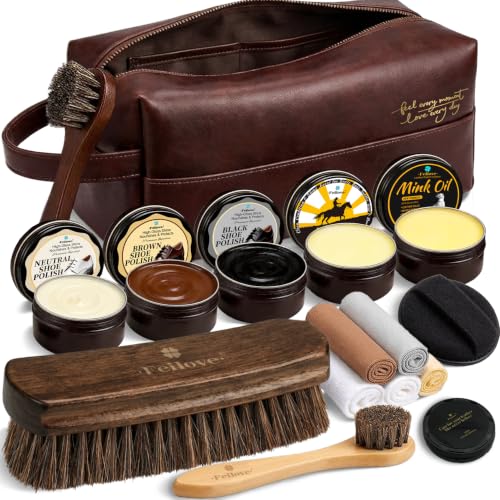
Shoe Care Kit – 16-in-1 Leather Shoe Polish, Cleaning & Conditioning Kit with Saddle Soap & Mink Oil – Black/Brown/Neutral Shoe Polish, 3 Horsehair Brushes – Premium Storage Bag – Gift for Men & Women
Check price on Amazon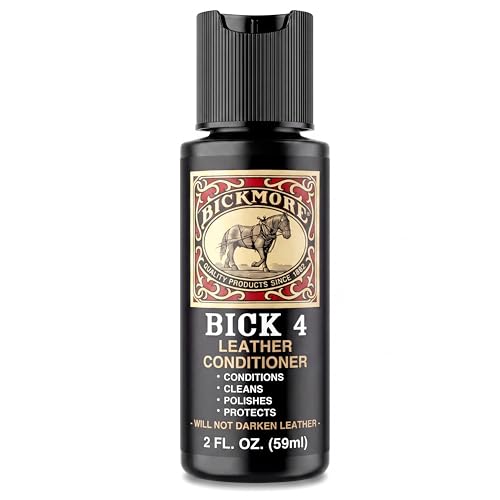
Bick 4 Leather Conditioner & Cleaner, Won't Darken Boots, Couch, Bags 2 oz | Made in USA, For Shoes, Furniture, Jackets, Auto Interiors, Apparel & Accessories
Check price on Amazon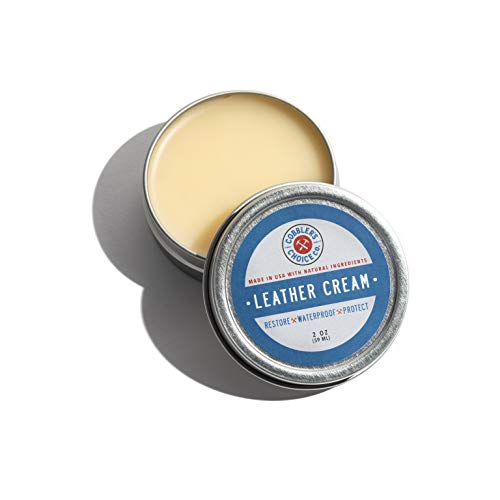
Cobbler's Choice Leather Cream - For Shoes, Boots & Bags with Beeswax
Check price on Amazon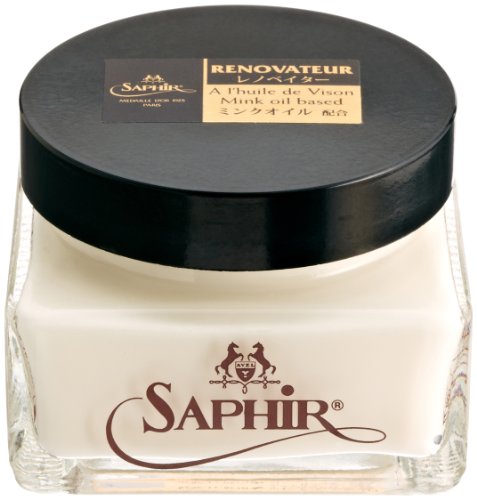
Saphir Medaille d'Or Renovator – All-Purpose Leather Shoe Cleaner & Conditioner - With Mink Oil
Check price on Amazon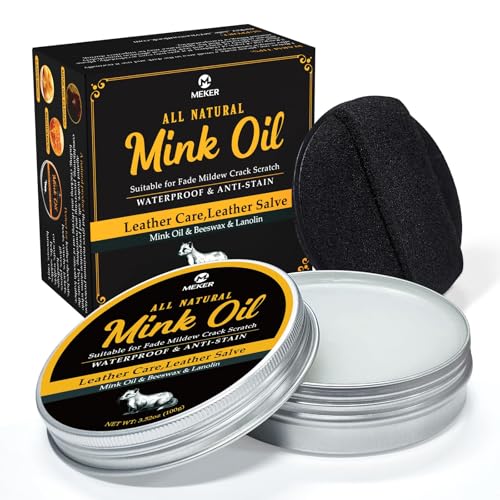
MEKER Mink Oil for Leather Boots, Leather Conditioner and Cleaner 3.52 oz-All-Natural Waterproof Soften and Restore Shoes
Check price on AmazonHow to Apply Leather Shoe Conditioner: Step-by-Step
Proper application is just as important as choosing the right product. Follow these steps to ensure optimal results.
- Clean First: Remove dirt, dust, and grime with a soft brush or damp cloth. Conditioning over dirt will trap abrasive particles in the leather. For deep cleaning, consider using a dedicated leather cleaner before conditioning.
- Test in a Hidden Area: Always test the conditioner on a small, inconspicuous area first. This is especially important for ostrich leather boots or fish skin boots where color shifts may be more noticeable.
- Apply Sparingly: Use a soft cloth or your fingers to apply a small amount of conditioner. Work it into the leather in circular motions. Less is more—you can always add another layer, but removing excess is difficult.
- Let It Absorb: Allow the conditioner to penetrate for 10–20 minutes. The leather should feel supple, not greasy.
- Buff Off Excess: Use a clean, dry cloth to buff away any remaining product. This step ensures a non-sticky finish and reveals a healthy sheen.
- Repeat as Needed: For very dry leather, multiple thin layers may be necessary. Allow each layer to absorb before applying the next.
For best results, condition your footwear every 1–3 months, depending on wear and environmental conditions. Boots exposed to rain, snow, or mud require more frequent conditioning.
When Should You Condition Your Leather Footwear?
Knowing when to condition is key to preventing damage. Here are the signs that your leather needs attention:
- Dryness: Leather feels stiff, rough, or papery to the touch.
- Cracking: Fine lines or deeper cracks appear, especially at flex points.
- Fading: The color looks dull or washed out compared to when new.
- Water Absorption: Water no longer beads on the surface but soaks in immediately.
- After Cleaning: Always condition after a deep clean to replenish lost oils.
Seasonal changes also dictate conditioning frequency. Winter exposes boots to salt and moisture, while summer sun can dry leather out. If you own winter snow boots for women or waterproof rain boots, conditioning before and after the season is a smart habit.
Conditioner vs. Polish: Understanding the Difference
Many people confuse conditioner with polish, but they serve different purposes. Conditioner nourishes and restores the leather itself, while polish sits on the surface to provide shine and color. For complete care, you need both.
Think of your leather routine as a two-step process: condition first, then polish. This approach is standard for shoe and boot polish enthusiasts who want a mirror-like finish without sacrificing leather health. Skipping conditioner and only using polish can lead to long-term damage as the underlying leather dries out beneath a layer of wax.
For everyday footwear, conditioning alone may suffice. For dress shoes and formal boots, a conditioner-plus-polish routine yields the best results.
Special Considerations for Different Leather Types
Smooth Leather
Smooth leather is the most forgiving. Cream or wax conditioners work well. This includes most lace-up boots and lace-up women's boots.
Exotic Leathers
Exotic skins like cow skin boots or ostrich require gentle, pH-balanced conditioners. Avoid harsh oils that can discolor or weaken the unique grain patterns.
Patent Leather
Patent leather should not be conditioned with traditional products. Use a patent-specific cleaner and a soft cloth. Conditioning patent leather can ruin its glossy finish.
Nubuck and Suede
These materials require specialized conditioners in spray form. Traditional creams and waxes will mat the nap and alter the texture. Always use products labeled safe for suede and nubuck.
Common Mistakes to Avoid When Conditioning Leather
- Over-Conditioning: Too much conditioner can clog leather pores, leading to stiffness and mildew. Stick to the recommended frequency.
- Using the Wrong Product: Not all conditioners work on all leathers. Using a wax on suede, for example, is a costly mistake.
- Skipping the Clean: Conditioning dirty leather traps grit that slowly abrades the surface.
- Ignoring the Test Patch: Always test first, especially on high-end cowboy boots or any footwear you can't easily replace.
- Conditioning Wet Leather: Allow leather to dry naturally before conditioning. Applying product to damp leather can cause uneven absorption.
Final Thoughts: Make Conditioning a Habit
Leather shoe conditioner is not a luxury—it's a necessity for anyone who wants their footwear to last. A small investment in a quality conditioner and a few minutes of care each month will pay dividends in comfort, appearance, and longevity.
Whether you're maintaining work shoes, safety shoes, or a cherished pair of Western apparel boots, conditioning should be part of your routine. It's a simple act of maintenance that separates disposable footwear from lifelong companions.
Remember: clean, condition, and protect. Your leather will thank you.