
Fish Skin Boots: The Ultimate Guide to Exotic Leather Footwear
Discover the unique world of fish leather boots. Learn about salmon, tilapia, and pirarucu leather, their exceptional durability, sustainable origins, and distinctive style.
Explore the GuideWhat Are Fish Skin Boots?
Fish skin boots represent a fascinating intersection of ancient craftsmanship and modern sustainable fashion. Unlike traditional leather sourced from mammals, fish leather is made from the skins of various fish species, including salmon, tilapia, and the giant pirarucu of the Amazon. These boots offer a unique combination of durability, exotic texture, and environmental responsibility that is increasingly appealing to discerning consumers.
The process of transforming fish skin into wearable leather is a delicate art. The skins are tanned using environmentally friendly methods, often utilizing vegetable tannins or chrome-free processes. This results in a material that is not only strong and flexible but also possesses a distinctive, often geometric, scale pattern that sets it apart from conventional leather. For those exploring the broader world of high-quality boots, fish skin offers a truly distinctive option that blends ruggedness with refined aesthetics.
While the concept might seem novel to some, fish leather has been used for centuries by indigenous cultures in Scandinavia, Asia, and South America. Today, innovative tanneries are reviving and perfecting these techniques to create leather that meets modern performance standards. If you're interested in exotic leathers, you might also appreciate ostrich leather boots or cow skin boots, each offering its own unique characteristics.
Types of Fish Leather Used in Boots
Not all fish leather is created equal. The species of fish significantly influences the final product's texture, durability, and appearance. Here are the most common types used in bootmaking:
1. Salmon Leather
Salmon leather is perhaps the most popular and widely available type of fish leather. It is prized for its distinctive scale pattern, which creates a beautiful, almost diamond-like texture. Salmon leather is known for being soft, supple, and surprisingly durable. It is often used in high-end fashion boots and accessories. Its flexibility makes it an excellent choice for lace-up boots and other styles that require movement.
2. Tilapia Leather
Tilapia leather is a more affordable and sustainable option. It is thinner and softer than salmon leather, making it ideal for lighter-weight boots and fashion-forward designs. The scale pattern is finer and more subtle, giving it a more understated elegance. Tilapia leather is often used in minimalist footwear where a sleek profile is desired.
3. Pirarucu Leather (Arapaima)
Pirarucu, also known as arapaima, is one of the largest freshwater fish in the world, found in the Amazon River. Its leather is exceptionally durable and thick, making it ideal for rugged boots and heavy-duty applications. Pirarucu leather has a distinctive, large-scale pattern that is both bold and beautiful. It is often compared to cowboy boots for men in terms of its rugged appeal. If you are looking for durable boots, pirarucu is an excellent choice.
Fish Leather vs. Traditional Leather
Understanding how fish leather compares to traditional cowhide or exotic leathers like ostrich leather can help you make an informed decision. Here is a quick comparison:
| Feature | Fish Leather | Traditional Cowhide |
|---|---|---|
| Durability | High (especially pirarucu), cross-fiber structure makes it tear-resistant | High, but can stretch over time |
| Texture | Distinctive scale pattern, unique to each fish species | Smooth or pebbled, consistent |
| Breathability | Excellent, naturally breathable | Moderate |
| Sustainability | Very high, often a byproduct of the food industry | Variable, depends on farming practices |
| Cost | $300–$1,500+ depending on species and brand | $150–$800+ |
| Care | Requires specific conditioners, sensitive to extreme dryness | Standard leather care |
Pros and Cons of Fish Skin Boots
Like any exotic leather, fish skin boots come with their own set of advantages and considerations. Weighing these can help you decide if they are right for your collection.
✅ Advantages
- Unique Aesthetics: No two pairs are exactly alike due to natural scale patterns.
- Sustainable: Utilizes a byproduct of the fishing industry, reducing waste.
- Durable: The cross-fiber structure of fish skin is remarkably strong and tear-resistant.
- Breathable: Natural properties allow for excellent airflow, keeping feet comfortable.
- Lightweight: Generally lighter than traditional mammal leathers.
⚠️ Considerations
- Care Requirements: Needs specialized conditioners like leather boot conditioner to prevent drying.
- Water Sensitivity: While water-resistant, prolonged exposure can damage the leather.
- Cost: Often more expensive than conventional leather due to limited supply and specialized tanning.
- Availability: Less common than cowhide, so finding specific styles may require effort.
- Breaking In: Some fish leathers can be stiff initially and require a break-in period.
How to Care for Your Fish Skin Boots
Proper care is essential to ensure your fish skin boots last for years. The natural fibers in fish leather can dry out if not maintained, leading to cracking. Here is a step-by-step guide:
1. Cleaning
Use a soft, damp cloth to gently wipe away dirt and dust after each wear. Avoid saturating the leather with water. For deeper cleaning, use a specialized fish leather cleaner or a mild saddle soap. Never use harsh chemicals or alcohol-based products.
2. Conditioning
Conditioning is the most critical step. Use a high-quality leather shoe conditioner that is suitable for exotic leathers. Apply a small amount to a soft cloth and massage it into the leather in circular motions. Allow it to absorb for 15-20 minutes, then buff gently with a clean cloth. This should be done every 2-3 months, or more frequently if you live in a dry climate.
3. Protection
Apply a water and stain repellent spray specifically designed for exotic leathers. This will help protect against moisture and stains. Always test the spray on a small, inconspicuous area first.
4. Storage
Store your fish skin boots in a cool, dry place away from direct sunlight. Use boot trees or stuff them with acid-free paper to maintain their shape. Avoid plastic bags, which can trap moisture and cause mold. For more storage tips, see our guide to boot storage covers.
If you're looking for other high-quality boots, proper maintenance is a universal requirement, but fish leather requires a bit more attention.
Styling Your Fish Skin Boots
Fish skin boots are a statement piece. Their unique texture adds visual interest to any outfit. Here are some styling ideas:
- Casual Chic: Pair a pair of salmon leather ankle boots with bootcut jeans and a cozy sweater for a relaxed yet sophisticated look.
- Western Flair: Pirarucu leather boots are a fantastic alternative to traditional western cowboy boots. Wear them with a western dress or western shirts for an authentic rodeo-inspired outfit.
- Modern Edge: Tilapia leather boots in a sleek, minimalist design can be worn with tailored trousers and a blazer for a contemporary, fashion-forward ensemble.
- Outdoor Adventure: While not a replacement for heavy-duty hiking footwear, fish leather boots can be a stylish choice for light outdoor activities and urban exploration.
When choosing the right pair, consider the color. Fish leather takes dye beautifully, so you can find boots in a range of hues. For a classic look, consider brown womens boots or female black boots.
Frequently Asked Questions
Are fish skin boots durable?
Yes, fish skin leather, particularly from species like pirarucu, is highly durable. The cross-fiber structure of the skin makes it resistant to tearing and stretching. With proper care, fish skin boots can last as long as, or even longer than, traditional leather boots.
Are fish skin boots waterproof?
Fish skin leather is naturally water-resistant, but not entirely waterproof. Prolonged exposure to water can damage the leather. It is advisable to treat your boots with a water repellent spray and avoid wearing them in heavy rain or snow. For fully waterproof options, consider rubber waterproof boots.
How much do fish skin boots cost?
The cost of fish skin boots varies widely depending on the species of fish, the brand, and the complexity of the design. Generally, you can expect to pay between $300 and $1,500. Pirarucu boots tend to be at the higher end of the spectrum due to the size and durability of the leather.
Are fish skin boots ethical and sustainable?
Yes, fish skin leather is considered a sustainable and ethical alternative to traditional leather. It is often a byproduct of the food industry, meaning no additional animals are raised solely for their skin. The tanning processes used are also increasingly environmentally friendly.
Where can I buy fish skin boots?
Fish skin boots are available from specialized exotic leather retailers, high-end fashion boutiques, and online marketplaces. You can also check out our recommended products below. For a wider selection, you might explore boot factory outlet stores or high-end cowboy boots retailers.
Recommended Fish Skin Boots
⚠️ AFFILIATE DISCLOSURE: This website contains affiliate links. As an affiliate Associate, we earn from qualifying purchases. If you make a purchase through these links, we may receive a small commission at no additional cost to you. Read our full affiliate policy.

Cody James Men's Men'S Exotic Pirarucu Western Boot Broad Square Toe - BBME-102 10 D(M) US
Check price on Amazon
Western Shops Men’s Leather Pirarucu Fish Print Cowboy Western Boots (10, Honey)
Check price on Amazon
Cody James Men's Men'S Pirarucu Exotic Boot Broad Square Toe Brown 11 D(M) US
Check price on Amazon
Soto Boots Men's Genuine Pirarucu Exotic Skin Cowboy Boots - Square Toe Western Boots for Men, EE Wide Width, Goodyear Welt Construction, Leather Lined, Fish Skin Exotic Boots H50048 (Tan,10)
Check price on Amazon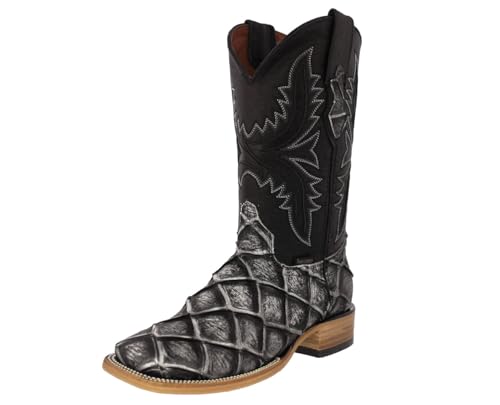
Mens Gray Western Boots Pirarucu Fish Print Leather Square Toe 13 E US
Check price on Amazon
Cody James Men's Men'S Pirarucu Exotic Boot Broad Square Toe - BBME039 10.5 D(M) US
Check price on Amazon