
Hiking Footwear: The Ultimate Guide to Trail-Ready Boots & Shoes
Everything you need to know before buying hiking footwear. From ankle support and waterproof membranes to outsole traction and break-in periods, we cover it all so you can hit the trail with confidence.
SEE TOP PICKSWhy Hiking Footwear Matters: Your feet carry you through every mile of trail. The wrong pair can lead to blisters, sprained ankles, and miserable hikes. The right pair—chosen for your terrain, pack weight, and foot shape—transforms a grueling trek into an unforgettable adventure. This guide walks you through every decision so you buy once and hike happy.
Recommended Hiking Footwear
⚠️ AFFILIATE DISCLOSURE: This website contains affiliate links. As an affiliate Associate, we earn from qualifying purchases. If you make a purchase through these links, we may receive a small commission at no additional cost to you. Read our full affiliate policy.

HIKE Footwear HF Stride Barefoot Slip On Shoes for Women Men, Wide Toe Box | Zero Drop | Minimalist Walking Hiking Shoes | Lightweight Non-Slip | Foot Knee Back Pain Relief | Casual Daily Wear
Check price on Amazon
NORTIV 8 Women's Waterproof Hiking Boots Trekking,Black/Pink,10 | Lightweight Hiking Walking Trail Work Rain Camping Outdoor Slip Resistant Daily Boots Seeker
Check price on Amazon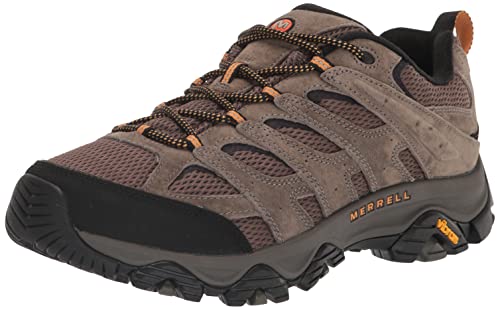
Merrell Men's Moab 3 Hiking Shoe, Walnut, 10.5 Medium
Check price on Amazon
Hike Footwear HF Stride Slip-On Barefoot Shoes, Zero Drop, Unisex | Hands-free slip-on entry, no laces, thin sole, breathable upper, structured heel cup, size up, for errands & all-day wear
Check price on Amazon
NORTIV 8 Women's Lightweight Hiking Shoes,Black,9 | Breathable Walking Sneakers Slip-Resistant For Outdoor Work Travel Daily Wear Wander
Check price on Amazon
FUNWINK Hiking Barefoot Shoes for Womens Men Wide Toe Water Shoes Flexible Lightweight Daily Wear Walking Shoes Unisex,Designed for Walking,Running&Swimming Tan
Check price on Amazon
Columbia Men's Crestwood Hiking Shoe | Ideal For Dry Environments, High Traction, Breathable, Wide Fit Available
Check price on Amazon
SIOSNETA Hike Barefoot Shoes for Women Men, Breathable Non-Slip Athletic Footwear, Wide Toe Water Shoes for Hiking, Non-Slip Neuropathy Shoes for Women Men, Grounded Comfort wear White
Check price on AmazonWhat Exactly Counts as Hiking Footwear?
Hiking footwear is not a single product—it is a spectrum. On one end you have ultralight trail runners that feel like running shoes with grippy soles. On the other end are heavy-duty mountaineering boots built for crampons and alpine ice. In between sit low-cut hiking shoes, mid-cut boots, and full-height backpacking boots.
The category you choose should match the terrain you hike most often. Day hikers on groomed trails rarely need more than a sturdy low-cut shoe. Backpackers carrying 30+ pounds over rocky, uneven ground benefit enormously from a stiffer mid-cut boot that protects the ankle and stabilizes the foot. If you are still exploring the broader world of boots, our full hiking footwear hub connects you to related categories like lightweight trekking shoes and women's hiking boots and shoes.
Understanding where your hikes fall on the spectrum is the single most important buying decision you will make.
7 Key Features That Define Great Hiking Footwear
Before you look at a single price tag, learn the vocabulary. Salespeople and product pages throw these terms around constantly, and knowing them puts you in control.
1. Ankle Support & Cut Height
- Low-cut: maximum freedom, minimum protection
- Mid-cut: balance of support and mobility
- High-cut: maximum stability for heavy loads
- Choose based on pack weight and terrain
2. Waterproofing vs Breathability
- Gore-Tex and similar membranes block water
- Waterproof liners reduce breathability
- Non-waterproof dries faster in hot climates
- Match to your climate and season
3. Outsole Traction
- Vibram and similar compounds lead the market
- Lug depth matters: 4–5mm for mud, 3mm for rock
- Sticky rubber excels on wet rock
- Replace worn outsoles before they fail
4. Midsole Cushioning & Stability
- EVA foam is light and cushioned
- Polyurethane lasts longer but is heavier
- Shanks add stiffness underfoot
- Rock plates protect against sharp stones
5. Fit & Last Shape
- Wide toe box prevents blisters
- Heel lock stops foot sliding
- Try on with hiking socks, not dress socks
- Allow a thumb's width at the toe
6. Weight
- Every ounce matters over long distances
- Light boots reduce fatigue
- Heavy boots offer more protection
- Find your personal balance point
7. Durability & Materials
- Full-grain leather: toughest, heaviest
- Nubuck and suede: lighter, needs care
- Synthetic mesh: breathable, less durable
- Look for reinforced toe caps and heel counters
Hiking Boots vs Hiking Shoes: Which Should You Buy?
This is the most common question among first-time buyers. The honest answer is: it depends on your feet, your load, and your trails.
Hiking boots offer higher ankle coverage, stiffer soles, and better protection on rough terrain. They shine when you carry a heavy backpack, hike in cold or wet conditions, or traverse rocky, root-covered paths. The trade-off is weight and a longer break-in period.
Hiking shoes are essentially beefed-up trail runners. They are lighter, breathe better, and require almost no break-in. They excel on well-maintained trails and for hikers with strong ankles who carry light loads. If you already wear minimalist footwear or prefer a natural stride, a low-cut hiking shoe may feel far more natural than a stiff boot.
Many experienced hikers own both and choose based on the day's plan. If you are unsure, a mid-cut boot is the safest compromise—it offers meaningful ankle support without the bulk of a full mountaineering boot.
How to Choose Hiking Footwear: A Step-by-Step Buying Framework
Walk through these five questions in order. By the end, you will have narrowed hundreds of options down to a shortlist.
Step 1: Define your terrain. Smooth, maintained trails call for low-cut shoes. Rocky, technical trails with steep descents favor mid or high-cut boots. Muddy, off-trail routes need aggressive lugs and often waterproofing.
Step 2: Weigh your pack. Under 20 pounds, shoes are fine. Between 20 and 35 pounds, a mid-cut boot is ideal. Above 35 pounds, choose a stiff backpacking boot with a strong shank.
Step 3: Match the climate. Wet, cold climates reward waterproof membranes. Hot, dry climates reward breathable non-waterproof designs that dry fast. For snowy or slushy conditions, look at dedicated winter and snow boots for women or waterproof snow boots.
Step 4: Get your size right. Hiking footwear should fit snugly in the heel with a thumb's width of space at the toe. Feet swell during long hikes, so size up half a size from your street shoes. If you have wide feet, look specifically for wide lasts—forcing a narrow boot causes blisters and black toenails.
Step 5: Break them in properly. Even modern boots benefit from a gradual break-in. Wear them around the house, then on short walks, then on a short hike before committing to a long one. Never take brand-new boots on a multi-day trek.
Materials Deep Dive: Leather, Synthetic, and Hybrid
The upper material determines how your boots breathe, how much they weigh, and how long they last.
Full-grain leather is the gold standard for durability and water resistance. It molds to your foot over time and can be revived with leather boot conditioner for years of service. The downside is weight and a longer break-in.
Nubuck and suede offer a softer feel and lighter weight than full-grain leather, but they scuff more easily and require more frequent care. A good leather shoe conditioner helps maintain their suppleness.
Synthetic uppers (mesh, nylon, TPU) are the lightest and most breathable option. They dry quickly and need almost no break-in. Their weakness is abrasion resistance—sharp rocks and repeated flexing eventually wear them out faster than leather.
Hybrid designs combine leather panels with synthetic mesh to balance durability, weight, and breathability. These are among the most popular choices for three-season hiking.
Caring for Your Hiking Footwear
Well-maintained hiking footwear lasts two to three times longer than neglected pairs. The routine is simple.
After every hike, knock off mud and dirt while it is still damp. Rinse with cool water—never hot—and air-dry away from direct heat. Stuff with newspaper to absorb moisture and maintain shape. Never put hiking boots in a washing machine or dryer; heat breaks down adhesives and waterproof membranes.
For leather boots, apply conditioner every few months or whenever the leather looks dry. For waterproof membranes, reapply a DWR spray when water stops beading on the surface. For deeper cleaning guidance, our rubber and waterproof boot care guide covers the specifics.
Store boots in a cool, dry place. Avoid leaving them in a hot car or damp garage, both of which accelerate material breakdown.
5 Common Mistakes Hiking Footwear Buyers Make
Mistake 1: Buying for looks instead of fit. The prettiest boot on the shelf is worthless if it does not match your foot shape. Fit first, aesthetics second.
Mistake 2: Assuming waterproof is always better. In hot, dry climates, waterproof boots trap sweat and cause blisters. Breathability often matters more than waterproofing.
Mistake 3: Skipping the break-in. Even "no break-in needed" shoes benefit from a few short walks before a big hike.
Mistake 4: Wearing the wrong socks. Cotton socks hold sweat and cause friction. Invest in merino wool or synthetic high-quality hiking socks. For colder conditions, knee-high socks add warmth and coverage.
Mistake 5: Ignoring the outsole. A boot with a worn-out outsole is dangerous on wet rock and mud. Replace or resole before traction fails.
Frequently Asked Questions About Hiking Footwear
For short, flat, well-maintained trails, a sturdy pair of trail runners or even supportive running shoes may suffice. But for anything involving uneven terrain, steep elevation change, rocky ground, or a loaded backpack, proper hiking footwear dramatically reduces injury risk and fatigue. The ankle support, underfoot protection, and traction of dedicated hiking footwear are difficult to replicate with casual shoes.
Snug but not tight. Your heel should be locked in place with minimal movement, and your toes should have about a thumb's width of space in front. The boot should feel comfortable immediately—if it pinches anywhere in the store, it will hurt on the trail. Feet swell during hiking, so a slightly roomier fit is safer than a tight one.
Often, yes. Premium boots typically use better materials, more durable outsoles, and superior construction methods like Goodyear welt stitching (though this is rarer in hiking boots than in casual footwear). That said, mid-range boots from reputable brands offer excellent value for most hikers. If you hike regularly, investing $150–$300 in a quality pair pays off over years of use. If you hike once or twice a year, a solid mid-range option is perfectly adequate.
With proper care, a quality pair of hiking boots lasts 500 to 1,000 trail miles, or roughly three to five years for an average hiker. Signs it is time to replace: worn-down outsoles, cracked or delaminating midsoles, torn uppers, or a loss of waterproofing that cannot be restored. Leather boots can often be resoled and refurbished, extending their life significantly.
Absolutely. Many hikers wear their boots casually, and some hiking boots cross over into lifestyle use. That said, dedicating a pair to the trail extends its lifespan. If you want one pair for both, choose a lighter mid-cut model with a less aggressive outsole—it will look and feel more natural on pavement while still performing on moderate trails.
End-of-season sales, outlet stores, and online retailers frequently discount hiking footwear. Our guides to hiking boots on sale, cheap hiking boots, and men's hiking boots on sale track the best value opportunities. Just be cautious with deeply discounted boots that may be old stock—older boots can have degraded midsole foam even if they look new.
Final Thoughts: Buy Once, Hike Happy
Hiking footwear is one of the few pieces of gear where spending a little more upfront genuinely pays off. A well-chosen pair supports your ankles, protects your soles, keeps your feet dry, and lasts for hundreds of miles. A poorly chosen pair causes pain on every step and may even end your hike early.
Use this guide as your checklist. Define your terrain and load, get your fit right, choose materials that match your climate, and break them in properly. Do that, and your boots will become the most trusted piece of gear in your pack.
Ready to explore more? Browse our related guides on lightweight trekking shoes, women's hiking boots, and hiking boots on sale to continue building your perfect trail setup.