
Women's Hiking Boots & Shoes: The Ultimate Buying Guide
Discover how to choose the perfect women's hiking boots and shoes for comfort, support, and durability on every trail. From day hikes to multi-day treks, we've got you covered.
Explore Top PicksWhy Trust BootsPedia? We understand that finding the right hiking footwear is about more than just style—it's about safety, comfort, and performance. Our guide breaks down everything you need to know, from fit and materials to technical features, so you can hit the trail with confidence.
Why the Right Women's Hiking Boots Matter
Hiking is one of the most rewarding outdoor activities, but it demands footwear that can keep up with uneven terrain, unpredictable weather, and long miles. Women's hiking boots and shoes are specifically designed to accommodate the unique biomechanics of a woman's foot—narrower heels, higher arches, and a different ankle structure—making them essential for anyone serious about the trail.
Unlike regular sneakers or fashion boots, hiking footwear offers enhanced traction, ankle support, and waterproof protection. Whether you're navigating rocky scrambles, muddy paths, or alpine meadows, the right pair can mean the difference between an epic adventure and a painful one. If you're new to hiking, starting with a versatile pair of lightweight trekking shoes can be a great entry point before committing to a heavier boot.
This guide will walk you through every consideration, from understanding your foot shape to selecting the right materials and features. By the end, you'll be equipped to make an informed decision—and ready to shop with confidence.
Types of Women's Hiking Footwear
Not all hiking footwear is created equal. The right choice depends on the terrain, the length of your hikes, and the weight of your pack. Here are the main categories to consider:
Hiking Shoes
Low-cut and lightweight, hiking shoes are ideal for well-maintained trails and day hikes. They offer breathability and freedom of movement, making them a popular choice for fast-paced hikers. Expect to pay between $80–$160 for a quality pair.
Mid-Height Boots
The sweet spot for most hikers, mid-height boots provide ankle support without the bulk of full-height boots. They're perfect for moderate terrain and weekend backpacking trips. Prices typically range from $120–$220.
Full-Height Boots
Designed for heavy loads and rugged terrain, full-height boots offer maximum ankle support and protection. They're heavier but indispensable for multi-day treks and alpine conditions. Expect to invest $180–$350.
Trail Runners
A hybrid between running shoes and hiking shoes, trail runners are ultralight and agile. They're great for fast hiking on smooth trails but lack the durability and support of traditional boots. Prices range from $70–$150.
Key Features to Look For
When shopping for women's hiking boots or shoes, pay close attention to these critical features:
Waterproofing
Look for membranes like Gore-Tex or proprietary waterproof linings. They keep your feet dry in wet conditions but can reduce breathability. For dry climates, a non-waterproof, breathable option may be better.
Ankle Support
Mid and full-height boots offer varying degrees of ankle support. If you have weak ankles or carry heavy loads, prioritize a boot with a stiff upper and secure lacing system.
Traction & Outsole
The outsole is your connection to the trail. Look for aggressive lug patterns and sticky rubber compounds (like Vibram) for grip on rocky, muddy, and slippery surfaces.
Weight
Lighter boots reduce fatigue on long hikes, but heavier boots offer more durability and support. Aim for a balance based on your typical hike length and pack weight.
Fit & Comfort
A proper fit is non-negotiable. Your heel should be locked in, your toes should have room to wiggle, and the arch should align with your foot's natural curve. Always try on boots with the socks you plan to wear.
Break-In Period
Leather and some synthetic boots require a break-in period. Plan to wear them around the house or on short walks before your first big hike to avoid blisters.
Materials Matter: Leather vs. Synthetic
The material of your hiking boots affects durability, breathability, water resistance, and weight. Here's how the two main categories compare:
| Feature | Leather | Synthetic |
|---|---|---|
| Durability | Excellent; molds to your foot over time | Good; may degrade faster with heavy use |
| Water Resistance | Naturally water-resistant; can be treated | Requires waterproof membrane for full protection |
| Breathability | Moderate; can get hot in summer | Excellent; dries quickly |
| Weight | Heavier | Lighter |
| Break-In | Requires break-in period | Minimal break-in required |
| Price | $150–$350 | $80–$200 |
For ultimate durability and a customized fit, high-quality leather boots are unmatched. However, if you prioritize lightweight performance and quick-drying properties, synthetic options are a smart choice. Many modern boots blend both materials for the best of both worlds.
How to Choose the Right Size and Fit
Getting the right fit is the single most important factor in hiking comfort. Follow these steps to ensure a proper fit:
1. Measure Your Feet
Measure your feet at the end of the day when they're largest. Use a Brannock device or trace your foot on paper and measure the length and width. Compare against the manufacturer's size chart.
2. Try on with Socks
Always try on boots with the socks you plan to hike in. High-quality socks can add volume and affect fit. Consider knee-high socks for added warmth and protection on colder hikes.
3. Check Heel Lock
Your heel should not lift more than a quarter-inch when walking. A locked-in heel prevents blisters and provides stability on descents.
4. Toe Room
You should have about a thumb's width of space between your longest toe and the front of the boot. This prevents toe bang on downhill sections.
5. Walk Around
Walk on an incline and decline if possible. Your toes should not hit the front, and your heel should stay in place. If anything feels off, try a different size or model.
6. Consider Insoles
If you have high arches or need extra support, consider replacing the stock insole with a custom or aftermarket orthotic. This can dramatically improve comfort.
Our Top Recommended Women's Hiking Boots & Shoes
We've curated a selection of the best women's hiking boots and shoes available today, based on performance, comfort, and value. These picks are perfect for everything from casual day hikes to serious backcountry adventures.
Recommended Women's Hiking Boots & Shoes
⚠️ AFFILIATE DISCLOSURE: This website contains affiliate links. As an affiliate Associate, we earn from qualifying purchases. If you make a purchase through these links, we may receive a small commission at no additional cost to you. Read our full affiliate policy.

NORTIV 8 Women's Lightweight Ankle Hiking Boots Backpacking,Light Grey,8 | Waterproof Hiking Walking Trekking Work Camping Comfortable Slip-Resistant Outdoor Boots
Check price on Amazon
NORTIV 8 Women's Lightweight Ankle Hiking Boots Backpacking,Orange,7.5 | Waterproof Hiking Walking Trekking Work Camping Comfortable Slip-Resistant Outdoor Boots
Check price on Amazon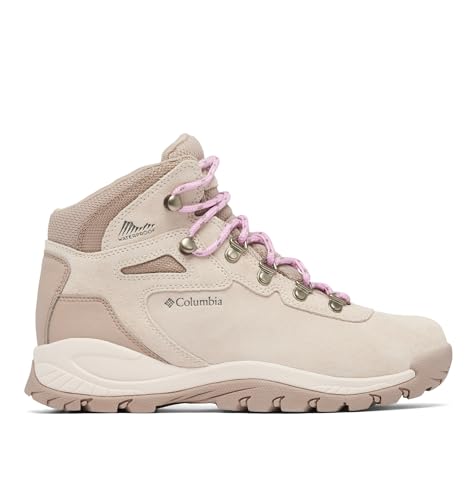
Columbia Womens Newton Ridge Plus Waterproof Amped, Dark Stone/Cosmos, 8.5
Check price on Amazon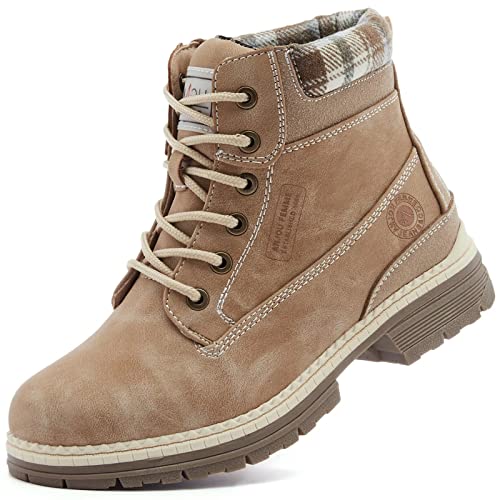
ANJOUFEMME Outdoor Hiking Boots for Women Waterproof - Womens Ankle Boots Lightweight Snow Winter Boots for Trekking Walking
Check price on Amazon
NORTIV 8 Women's Hiking Boots Waterproof Lightweight,Black,8 | Sealed Build Keeps Feet Dry; Cushioned Insole Adds Comfort; Ready for Daily and Outdoor Use Hollow
Check price on Amazon
NORTIV 8 Women's Lightweight Ankle Hiking Boots Backpacking,Dark Grey,8.5 | Waterproof Hiking Walking Trekking Work Camping Comfortable Slip-Resistant Outdoor Boots
Check price on AmazonPros and Cons of Popular Hiking Footwear Styles
To help you narrow down your options, here's a quick comparison of the advantages and disadvantages of the most common women's hiking footwear styles:
Hiking Shoes: Pros
- Lightweight and breathable
- No break-in period required
- Great for day hikes and fast packing
- More affordable than boots
- Versatile for everyday wear
Hiking Shoes: Cons
- Less ankle support
- Not ideal for heavy packs
- Less protection from rocks and debris
- May wear out faster than boots
Mid-Height Boots: Pros
- Excellent balance of support and weight
- Good for moderate to rugged terrain
- Protects ankles from twists and rolls
- Suitable for weekend backpacking
Mid-Height Boots: Cons
- Heavier than hiking shoes
- May require break-in
- Less breathable than low-cut options
- Can be overkill for easy trails
Caring for Your Women's Hiking Boots
Proper care extends the life of your hiking boots and keeps them performing at their best. Here are essential maintenance tips:
After each hike, clean off dirt and mud with a soft brush and lukewarm water. For leather boots, apply a leather boot conditioner regularly to prevent cracking and maintain water resistance. Synthetic boots can be cleaned with mild soap and water. Always air-dry your boots away from direct heat, as high temperatures can warp materials and degrade adhesives. If your boots get soaked, stuff them with newspaper to absorb moisture and speed up drying. For stubborn odors, consider using a boot dryer or odor-neutralizing inserts.
Inspect your boots regularly for signs of wear, such as worn lugs, separated soles, or damaged stitching. Addressing small issues early can prevent bigger problems on the trail. If you need to replace laces, high-quality shoelaces are a cheap and effective upgrade.
Frequently Asked Questions
Are women's hiking boots different from men's?
Yes. Women's hiking boots are designed with a narrower heel, a wider forefoot relative to the heel, and a higher arch to accommodate the typical female foot shape. They also tend to be lighter and have a slightly different ankle structure for a better fit.
Do I need waterproof hiking boots?
It depends on your climate and hiking conditions. Waterproof boots are essential for wet, muddy, or snowy environments. However, they are less breathable and can cause your feet to sweat more in hot, dry conditions. For summer hikes in arid climates, a non-waterproof, breathable option may be more comfortable.
How long should hiking boots last?
With proper care, a quality pair of hiking boots can last 500–1,000 miles of hiking. Leather boots tend to last longer than synthetic ones. Replace your boots when the outsole is worn smooth, the midsole loses its cushioning, or the upper is significantly damaged.
Should I size up or down for hiking boots?
Generally, you should size up by a half-size to a full size compared to your everyday shoes. This accounts for foot swelling during hikes and the thickness of hiking socks. Always try on boots with the socks you plan to wear.
What are the best socks for hiking?
Look for moisture-wicking materials like merino wool or synthetic blends. Avoid cotton, which retains moisture and can cause blisters. A good pair of high-quality socks can make a huge difference in comfort. For cold weather, consider knee-high socks for added warmth.
How do I break in new hiking boots?
Start by wearing them around the house for a few hours. Then, take short walks on flat terrain, gradually increasing distance and difficulty. This allows the boots to mold to your feet and prevents blisters on your first big hike. Leather boots typically require a longer break-in period than synthetic ones.
Final Thoughts: Hit the Trail with Confidence
Choosing the right women's hiking boots or shoes is an investment in your comfort, safety, and enjoyment of the outdoors. By understanding your needs, prioritizing fit, and selecting the right features for your terrain, you can find a pair that will serve you well for many miles to come.
Remember, the best hiking footwear is the one that fits your foot perfectly and matches your hiking style. Don't be afraid to try on multiple pairs and brands before making a decision. And when you're ready to buy, consider supporting your local outdoor retailer or shopping online through trusted affiliate links like the ones on this page.
Ready to explore more? Check out our guides on lightweight trekking shoes, hiking boots on sale, and cheap hiking boots for budget-friendly options. Happy trails!
Ready to Find Your Perfect Pair?
Browse our top recommended women's hiking boots and shoes, hand-picked for performance and value.
Shop Top Picks Now