


The Complete Guide to Shoelaces: Types, Materials, and How to Choose
Shoelaces are one of the most overlooked components of our footwear. We often only think about them when they break, but the right lace can significantly improve the way your shoes fit, feel, and function. Whether you're looking to replace a worn-out set on your favorite lace-up boots, enhance the performance of your hiking footwear, or simply add a touch of personal style, understanding the different types of laces is key.
1. Types of Shoelaces by Shape and Material
The market offers a wide variety of laces, each designed for a specific purpose. Here are the most common types you'll encounter:
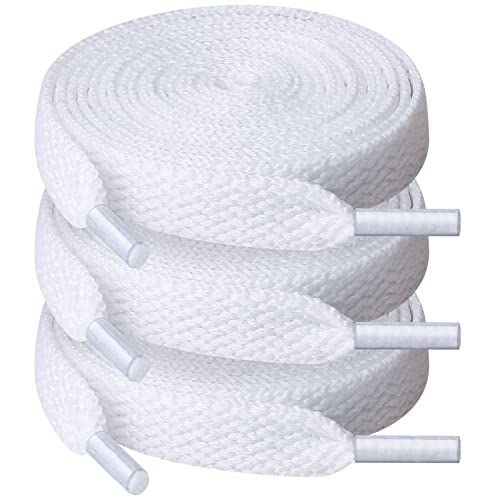
- Flat Laces: The most common type, found on sneakers and casual shoes. They offer a classic look and stay tied well. They are often made of cotton or polyester. For a stylish look on your oxford boot shoes, flat waxed laces are a great choice.
- Round Laces: Often found on boots and athletic shoes. They are strong and durable, providing a secure fit. For work and outdoor footwear, like high-quality work boots, round laces are the standard because they resist fraying and hold knots tightly. You can find them in our guide to shoelace and shoelaces.
- Waxed Laces: These are cotton or polyester laces coated with wax. The wax provides extra grip, ensuring the laces stay tied all day. They are a popular upgrade for dress shoes and boots. If you want to elevate your men's Chelsea boot, a pair of waxed laces is an excellent choice.
- Elastic Laces: These are designed for convenience and are perfect for people who struggle with tying laces or want a slip-on feel. They are great for minimalist footwear and can be a game-changer for anyone with mobility issues.
- Leather Laces: Durable and stylish, leather laces are often used on high-end boots. They age beautifully and add a rugged, premium look. They are a fantastic match for handmade cowboy boots or any pair of high-quality boots.
2. How to Choose the Right Length
One of the most common mistakes is buying the wrong length. Laces that are too short won't tie, and those that are too long become a tripping hazard. The correct length depends on the number of eyelets on your shoes. As a general rule, count the pairs of eyelets and multiply by 2, then add 10-12 inches. For example, a boot with 7 pairs of eyelets typically needs a 54-inch lace. If you are replacing laces on steel toe shoes, always check the manufacturer's recommendation to ensure a proper fit for safety.
3. Material Matters: Durability and Performance
The material of your laces dictates their lifespan and performance. Cotton laces are comfortable but can rot and fray over time. Polyester and nylon laces are much more durable, resistant to stretching, and hold knots better. For outdoor enthusiasts, investing in high-quality laces for your women's hiking boots or lightweight trekking shoes is essential. They need to withstand moisture, dirt, and constant tension. If you're looking for laces for your work footwear, consider ones that are specifically designed for safety shoes to ensure they can handle the rigors of the job.
4. Styling with Shoelaces: Beyond Function
Shoelaces are a fantastic way to express your personal style without breaking the bank. Swapping out standard laces for a colored or patterned pair can instantly refresh an old pair of shoes. For a classic western look, consider pairing leather laces with your western cowboy boots. If you're putting together an outfit, the right lace color can tie the whole look together. For example, matching your laces to your western shirts or western dress can create a cohesive and stylish appearance.
5. Caring for Your Laces
To extend the life of your laces, it's important to care for them. If they get dirty, you can often hand-wash them with mild soap and water. For leather laces, a little leather boot conditioner can keep them supple and prevent cracking. Regularly inspecting your laces for wear and tear is crucial, especially on footwear used for work or sports. A broken lace can be a minor annoyance or a serious safety hazard. Always keep a spare set on hand, particularly for durable boots that see a lot of action.
Conclusion
Choosing the right shoelaces is a simple yet impactful way to enhance your footwear. By understanding the different types, materials, and lengths, you can make an informed decision that improves comfort, safety, and style. Whether you need a heavy-duty lace for your work boots or a stylish one for your dress shoes, the perfect pair is just a click away.