
Men's Work Shoes: The Ultimate Guide to Comfort & Safety
Your job demands the best. Discover how to choose men's work shoes that combine protection, support, and all-day comfort for any profession.
View Top PicksWhy the Right Work Shoes Matter
For many professionals, work shoes are the most important piece of equipment they own. Unlike casual footwear, men's work shoes are engineered to handle specific hazards—from heavy objects and electrical risks to slippery surfaces and long hours on hard concrete. The wrong pair can lead to chronic foot pain, fatigue, and even serious injury.
This guide is designed for men who are ready to invest in the right footwear. Whether you're in construction, manufacturing, hospitality, or healthcare, you'll learn exactly what features to look for and how to find a pair that fits your job and your feet. For those who need maximum ankle support, you may also want to explore dedicated high-quality work boots, which offer additional protection for tougher environments.
Essential Features to Look For
Before you buy, understand the core features that separate a good work shoe from a great one. These elements directly impact your safety, comfort, and productivity.
🛡️ Safety Toe
Steel toe, composite toe, or alloy toe options protect against impact and compression. Steel toe shoes are the traditional standard, while composite toe shoes are lighter and non-metallic.
👟 Slip Resistance
Essential for kitchens, warehouses, and oily environments. Look for shoes tested to ASTM F2913 standards. Non-slip work shoes are also available for women in similar roles.
💧 Waterproofing
Keeps feet dry in wet conditions. Full-grain leather or synthetic membranes are common. For extreme wetness, consider rubber waterproof boots.
⚡ Electrical Hazard (EH)
Insulated soles reduce the risk of electric shock. Critical for electricians and maintenance workers. Always check for EH ratings on safety shoes.
Fit and Comfort: The Foundation of Performance
A work shoe can have every safety feature in the book, but if it doesn't fit properly, you won't wear it—and that's a safety risk in itself. Here's what to prioritize:
- Roomy Toe Box: Your toes should wiggle freely. A cramped toe box leads to blisters and long-term foot issues. If you prefer a more natural feel, minimalist footwear offers a wider, more flexible option for certain work settings.
- Arch Support: Essential for preventing plantar fasciitis and fatigue. Many work shoes include removable insoles, allowing you to customize support.
- Cushioning: Look for EVA or polyurethane midsoles that absorb shock, especially if you're on your feet for 8+ hours.
- Proper Heel Lock: Your heel shouldn't slip when you walk. A secure heel prevents friction and instability.
If you're transitioning from boots, you may find that work shoes offer a lighter, more agile alternative while still delivering the protection you need.
Types of Men's Work Shoes by Industry
Different jobs demand different footwear. Here's a quick breakdown of the most common categories:
Construction & Industrial
Heavy-duty shoes with steel or composite toes, puncture-resistant plates, and aggressive outsoles. Durability is key—look for durable boots and shoes that can withstand concrete, debris, and heavy machinery. Brands like Big Red Boots are known for their toughness in these environments.
Warehouse & Logistics
Lightweight, breathable shoes with excellent slip resistance and cushioning. Composite toes are popular here because they're lighter than steel and don't conduct heat or cold.
Hospitality & Healthcare
Slip-resistant, easy-to-clean, and often waterproof. Comfort is paramount for long shifts. Ladies' working shoes follow similar principles for women in these fields.
Electrical & Maintenance
EH-rated shoes with non-conductive soles and minimal metal components. Always verify the specific safety ratings for your role.
Materials That Make a Difference
The materials used in your work shoes affect durability, breathability, and appearance. Here's what to know:
- Full-Grain Leather: The most durable and water-resistant option. It molds to your foot over time but requires regular care with leather boot conditioner or leather shoe conditioner.
- Synthetic Mesh: Lightweight and breathable, ideal for indoor or warm environments. Less durable than leather.
- Nubuck or Suede: Offers a softer feel but requires more maintenance. Use a shoe boot polish suitable for these materials.
- Rubber Outsoles: Provide excellent grip and slip resistance. Look for oil-resistant and heat-resistant compounds for industrial settings.
Smart Buying Tips for Men's Work Shoes
Ready to buy? Keep these tips in mind to get the best value and performance:
- Try on at the end of the day: Your feet swell during the day, so shopping in the afternoon ensures a better fit.
- Wear your work socks: Bring the socks you'll actually wear on the job. High-quality socks can make a huge difference in comfort and moisture management.
- Check the return policy: Even the best shoes can take time to break in. A generous return policy gives you peace of mind.
- Consider your terrain: If you work on uneven ground, look for shoes with deeper treads. For wet surfaces, prioritize slip resistance over everything else.
- Don't ignore the little things: Laces, eyelets, and tongue padding all contribute to the overall experience. Replacing worn laces with shoelaces or shoelace shoelaces can extend the life of your shoes.
Ready to find your perfect pair? Browse our curated selection of top-rated men's work shoes below. We've partnered with Amazon to bring you the best options for safety, comfort, and value.
For those who need a more traditional boot style, don't miss our guide to high-quality work boots and boots for men.
Recommended Men's Work Shoes
⚠️ AFFILIATE DISCLOSURE: This website contains affiliate links. As an affiliate Associate, we earn from qualifying purchases. If you make a purchase through these links, we may receive a small commission at no additional cost to you. Read our full affiliate policy.

Skechers Men's Cankton Steel Toe Construction Shoe - Electrical Hazard Rated, Memory Foam, Black/Charcoal, 10.5 Wide
Check price on Amazon
Skechers Men's Respected Boswell Boot - Cdb - 10.5 Medium
Check price on Amazon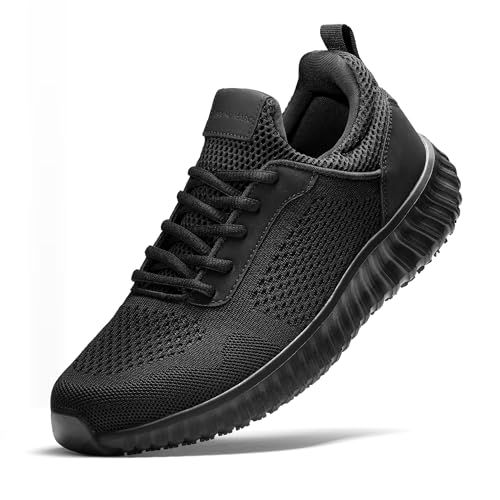
Bruno Marc Men's Non Slip Work Shoes,Black,13 | Walking Slip Resistance Food Service Chef Kitchen Restaurant Sneakers Comfortable Lightweight
Check price on Amazon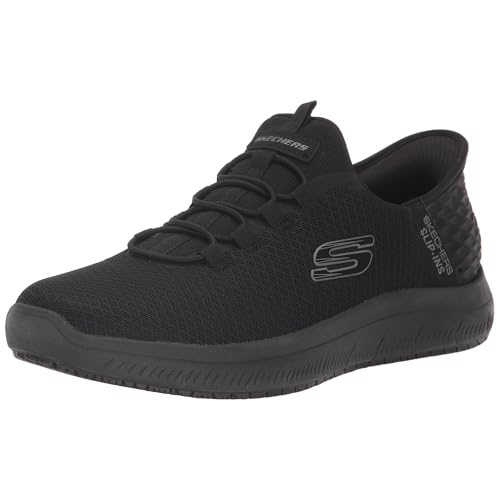
Skechers Men's Summits Colsin Sr Hands Free Slip -Ins, BBK, 9.5
Check price on Amazon
Skechers Men's Work Dighton Athletic Slip Resistant Food Service Shoe, Black, 10.5W
Check price on Amazon
Bruno Marc Men's KnitFlex Breeze Casual Dress Sneakers,Black,12 | Breathable Lightweight Mesh Lace-Up Derby Walking Shoes for Work & Weekend
Check price on Amazon
Skechers Men's Segment Rilar Oxford, Brown, 10 M US
Check price on Amazon
Steel Toe Shoes for Men Slip On Safety Shoes for Men Work Loafers All Black | Composite Toe Shoes,Lightweight,Comfortable,Breathable,Cushioning,Walking,Construction,Warehouse,Factory,Office,Casual,Dress
Check price on AmazonFrequently Asked Questions
What is the difference between work shoes and work boots?
Work shoes typically offer a lower cut (ankle height) and are lighter, making them ideal for indoor or light-duty work. Work boots provide ankle support and are better for heavy-duty, outdoor, or uneven terrain. The choice depends on your specific job requirements and personal preference.
Are steel toe shoes better than composite toe?
Both offer excellent protection. Steel toe is traditional, very strong, and generally less expensive. Composite toe is lighter, non-metallic (so it won't set off metal detectors or conduct heat/cold), and often more comfortable for all-day wear. Your choice should depend on your work environment and comfort needs.
How often should I replace my work shoes?
Most work shoes should be replaced every 6–12 months, depending on usage. If the soles are worn down, the toe cap is exposed, or you feel a loss of support, it's time for a new pair. Regular care with shoe boot polish and conditioners can extend their life.
Can I use my work shoes for hiking?
While some work shoes are suitable for light hiking, they are not designed for the same terrain and support needs as dedicated hiking footwear. For serious hikes, invest in proper hiking boots or shoes.