
Rubber Waterproof Boots: The Complete Guide
Stay dry, comfortable, and protected in any weather. Learn how to choose the perfect rubber waterproof boots for work, rain, and outdoor adventures.
SEE TOP PICKSWhy Rubber Boots Matter: When the weather turns nasty or the job site gets muddy, ordinary footwear fails. Rubber waterproof boots are engineered to keep your feet bone-dry, safe from slips, and comfortable through long hours. Whether you're a farmer, construction worker, angler, or city commuter, a reliable pair is non-negotiable.
What Exactly Are Rubber Waterproof Boots?
Rubber waterproof boots are footwear constructed from natural or synthetic rubber compounds. Unlike leather boots that require waxes or sprays to repel water, rubber is inherently waterproof. This means no seams for water to seep through, no treatments to reapply, and no surprises when you step into a puddle.
These boots come in many forms: tall wellingtons for deep mud, ankle-height versions for light rain, insulated pairs for winter cold, and steel-toe variants for hazardous job sites. Their common thread is a one-piece molded design that creates a complete barrier against moisture. If you need footwear that performs in wet conditions without compromise, rubber is the gold standard.
Pros and Cons: Is Rubber Right for You?
✓ Advantages
- 100% Waterproof: No seams means no leaks, period.
- Easy to Clean: Hose them down and they look new.
- Durable: Resistant to mud, chemicals, and abrasion.
- Cost-Effective: Quality pairs start around $40 and last years.
- Slip-Resistant: Deep treads grip wet and muddy surfaces.
- Insulation Options: Neoprene linings keep feet warm in winter.
✗ Disadvantages
- Limited Breathability: Feet can sweat during intense activity.
- Less Ankle Support: Flexible uppers may not suit rough terrain.
- Bulkier Feel: Not ideal for driving or precise movements.
- Style Constraints: Casual or work-focused, rarely dressy.
- Odor Buildup: Requires regular cleaning and drying.
Key Features to Look For in Rubber Waterproof Boots
1. Material Quality
Natural rubber offers superior flexibility and durability compared to PVC or synthetic blends. Look for boots labeled "100% natural rubber" for the best performance. For a deeper dive into durable options, see our guide to durable boots.
2. Tread and Outsole
The outsole determines grip. Deep, self-cleaning lugs are essential for mud, while siped rubber works better on wet concrete. If you're on slippery job sites, check our recommendations for non-slip work shoes for women.
3. Insulation and Lining
Neoprene linings add warmth and cushioning. For winter use, look for boots rated to specific temperature ranges. If you need warmth for extreme cold, our guide to winter snow boots for women covers top insulated picks.
4. Shaft Height
Ankle boots are great for light rain; mid-calf handles puddles; knee-high wellingtons conquer deep mud and flooded fields. Choose based on your typical environment.
5. Safety Features
Steel toe, composite toe, and puncture-resistant midsoles are available. If you work in hazardous environments, explore our resources on steel toe shoes and composite toe shoes.
6. Fit and Comfort
Rubber boots don't stretch, so sizing matters. Wear the socks you'll use and try boots on in the afternoon when feet are largest. Our fit and measurement guide walks you through the process.
How Much Should You Expect to Pay?
Rubber waterproof boots range from budget-friendly basics to premium workhorses. Here's a realistic breakdown of what you get at each price point:
| Price Range | What You Get | Best For |
|---|---|---|
| $25–$50 | Basic PVC or rubber, minimal insulation, simple tread | Occasional garden work, light rain |
| $50–$100 | Natural rubber, decent tread, some insulation options | Regular outdoor use, farm work, commuting |
| $100–$200 | Premium rubber, advanced grip, neoprene lining, safety toes | Heavy-duty work, hunting, extended wear |
| $200+ | Specialty features, extreme insulation, brand prestige | Professional use, harsh environments |
Top Use Cases for Rubber Waterproof Boots
Work and Construction
Job sites are full of water, mud, and hazards. Rubber boots with steel toes and slip-resistant soles keep you safe and dry. For more work-specific recommendations, see our guides to high-quality work boots and men's work shoes.
Farming and Agriculture
From mucking stalls to traversing wet fields, farmers rely on rubber boots daily. Tall wellingtons with aggressive tread are the standard. If you also need footwear for other farm tasks, our work shoes section has you covered.
Hiking and Outdoor
For wet, muddy trails, rubber boots offer unmatched waterproofing. However, for rocky terrain, consider hiking-specific footwear. Our hiking footwear and women's hiking boots and shoes guides can help you compare options.
Rain and City Commuting
Stylish rubber boots are a commuter's best friend. They handle puddles, slush, and surprise downpours without ruining your outfit. Check our waterproof rain boots guide for fashionable picks.
Fishing and Hunting
Anglers and hunters need stealth, warmth, and waterproofing. Rubber boots deliver all three. Insulated versions with scent-control linings are popular in hunting circles.
Snow and Winter
Insulated rubber boots keep feet warm and dry in snow. For dedicated winter footwear, explore our winter snow boots and female winter boots collections.
How to Care for Your Rubber Waterproof Boots
Rubber boots are low-maintenance, but a little care goes a long way. Follow these steps to maximize their lifespan:
- Rinse after every use: Mud and chemicals degrade rubber over time. A quick hose-down prevents buildup.
- Air dry properly: Never dry rubber boots near heat sources. Stuff them with newspaper and let them air dry at room temperature.
- Store upright: Keep boots in a cool, dark place. Avoid folding or crushing, which can create cracks.
- Condition occasionally: Some rubber boots benefit from a rubber conditioner. For leather boots, use a dedicated leather boot conditioner or leather shoe conditioner.
- Check for cracks: Inspect regularly, especially around flex points. Small cracks can be repaired with rubber cement.
- Use boot trees or stands: A boot jack helps remove boots without damaging the heel, and proper storage maintains shape.
For a complete walkthrough on maintaining all types of footwear, visit our boot maintenance hub. If you're prepping for winter, our boot snow waterproof guide offers seasonal care tips.
Sizing and Fit: Getting It Right
Rubber boots don't break in like leather. They fit the same on day one and day one hundred. That makes getting the size right critical. Here's how:
Measure Your Feet
Use a Brannock device or trace your foot on paper. Measure both feet and use the larger one. Our boots fit and measurement guide provides step-by-step instructions.
Account for Socks
Wear the socks you'll use with the boots when trying them on. Thick wool socks can add a half-size. Explore our high-quality socks and knee-high socks recommendations.
Check Heel Slip
A little heel slip is normal, but excessive movement causes blisters. Ensure your heel stays reasonably locked in place.
Consider Insoles
If you need arch support, choose a boot with a removable insole or room for an aftermarket one. Our arch support guide can help.
Frequently Asked Questions
Are rubber boots better than leather for wet conditions?
For pure waterproofing, rubber wins because it has no seams. Leather can be treated to be highly water-resistant, but it requires maintenance and can eventually soak through. For sustained wetness, rubber is superior. For breathability and ankle support, leather often wins.
How do I prevent my feet from sweating in rubber boots?
Choose boots with moisture-wicking linings, wear merino wool socks, and take breaks to air out your feet. Some premium boots have breathable neoprene that helps. Avoiding excessive activity in rubber boots also reduces sweating.
Can I wear rubber boots in winter?
Yes, if they're insulated. Uninsulated rubber boots get cold quickly. Look for neoprene-lined or felt-lined options rated for low temperatures. For serious winter conditions, dedicated winter snow boots may be more appropriate.
How long do rubber boots last?
With proper care, a quality pair of natural rubber boots can last 3–5 years or more. PVC boots tend to degrade faster. Storing them properly and avoiding extreme heat extends their life significantly.
Are rubber boots good for hiking?
For flat, muddy, or wet trails, yes. For rocky, steep, or technical terrain, hiking boots offer better ankle support and traction. If you're hiking in wet conditions, consider waterproof hiking boots instead. See our hiking footwear guide.
Best Rubber Waterproof Boots to Buy Now
⚠️ AFFILIATE DISCLOSURE: This website contains affiliate links. As an affiliate Associate, we earn from qualifying purchases. If you make a purchase through these links, we may receive a small commission at no additional cost to you. Read our full affiliate policy.

Dunlop Protective Footwear, Chesapeake plain toe Black Amazon, 100% Waterproof PVC, Lightweight and Durable, 8677577.11, Size 11 US
Check price on Amazon
Kalkal Men's Rubber Boots, Waterproof Ankle Rain Boots, Insulated Working Booties with Comfortable Sports Sole, Outdoor Mud Boots for Yard Chore (Black,Size10)
Check price on Amazon
CKWLXQY Men's Deck Boots, Waterproof Non-Slip Ankle Rain Boots for Fishing | Waterproof rubber ankle boots with non-slip traction for fishing, gardening, farming, boating and wet outdoor work.
Check price on Amazon
GIEESHIELD PVC Rain Boots for Men And Women – Waterproof Slip-Resistant Rubber Work Boots, Seamless Durable Tall Knee Boots for Agriculture, Gardening, Fishing, Industrial & Outdoor Work, Size 11
Check price on Amazon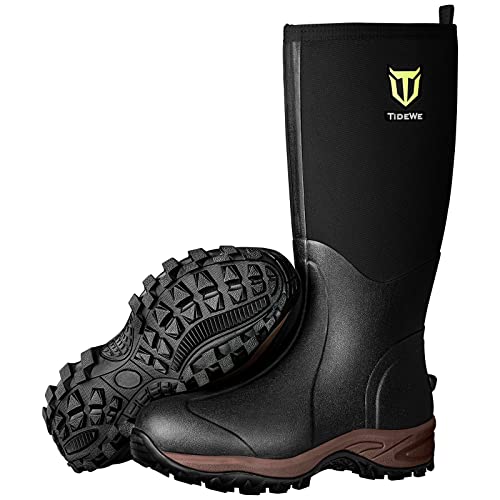
TIDEWE Rubber Work Boots for Men and Women, Rain Boots, Black,M11 | 6mm Neoprene Hunting Boots for Arctic Outdoor Use, Heat-Retaining Insulation Winter Boots with Reinforced Toe
Check price on Amazon
Tingley Unisex Plain Toe Industrial Boot, Black, 9 US Men | 15-inch Height with a 12-inch cutline to facilitate fast and clean height modification, Safety Toe meets ASTM F2413 M/I/C
Check price on Amazon
NINGO Men's Steel Toe Rain Boots, Waterproof Slip Resistant Rubber Boots | Seamless PVC Rainboots, Puncture Resistant Outdoor Fishing Gardening Boots for Men, for Agriculture, Industrial & Working
Check price on Amazon
CKWLXQY Men's Deck Boots, Waterproof Non-Slip Ankle Rain Boots for Fishing | Waterproof rubber ankle boots with non-slip traction for fishing, gardening, farming, boating and wet outdoor work.
Check price on AmazonReady to Stay Dry?
You've got the knowledge. Now find the perfect pair. Browse our top recommendations above and step into comfort, safety, and complete waterproof protection.
SHOP RECOMMENDED BOOTSFinal Thoughts
Rubber waterproof boots are an essential investment for anyone who faces wet, muddy, or unpredictable conditions. They're not just practical—they're a tool that keeps you productive, comfortable, and safe. Whether you're working on a job site, tending a garden, or navigating a rainy city, the right pair makes all the difference.
Use this guide to evaluate your needs, understand the features that matter, and choose boots that fit your life. And remember: proper care extends their life, so treat them well and they'll serve you for years. For more footwear insights, explore our boot purchase guides and style ideas.