
Waterproof Snow Boots: Your Ultimate Winter Companion
Stay warm, dry, and confident in harsh winter conditions. Discover how to choose the perfect waterproof snow boots that combine insulation, traction, and all-day comfort.
❄️ Explore Buying GuideWhy Waterproof Snow Boots Matter: When winter storms hit, ordinary footwear fails. Wet feet lose heat rapidly, leading to discomfort and potential cold-weather injuries. True waterproof snow boots feature sealed membranes, taped seams, and water-repellent materials that keep moisture out while allowing sweat vapor to escape. This guide walks you through every feature that separates a reliable winter boot from a disappointing one — so you can invest wisely and enjoy dry, warm feet all season long.
What Makes a Snow Boot Truly Waterproof?
Not all boots labeled "waterproof" live up to the claim. Understanding the construction details helps you separate genuine protection from marketing hype. A truly waterproof snow boot combines multiple technologies working together to keep moisture out while managing internal perspiration.
Waterproof Membrane
Materials like Gore-Tex, eVent, or proprietary membranes block liquid water from entering while allowing water vapor from sweat to escape. This breathability is crucial — without it, condensation builds inside and your feet get wet from the inside out.
Taped or Sealed Seams
Even the best membrane fails if water seeps through stitch holes. Quality snow boots feature taped or welded seams that seal every needle perforation. Look for "fully seam-sealed" in product descriptions — it's a hallmark of serious waterproofing.
Water-Repellent Upper
Leather, nubuck, or synthetic uppers treated with DWR (durable water repellent) finish cause water to bead and roll off. While not waterproof alone, this layer reduces saturation and works with the membrane for comprehensive protection.
Integrated Construction
Waterproof snow boots often use injection-molded or cemented construction with no exposed stitching in critical areas. Rubber shells or gusseted tongues prevent water entry at the most vulnerable points — the tongue and collar.
Insulation: Finding the Right Warmth Level
Insulation in snow boots is measured in grams (g). The right amount depends on your climate, activity level, and personal circulation. More insulation isn't always better — excessive warmth causes sweating, which defeats the purpose of waterproofing.
| Insulation Level | Best For | Temperature Range | Typical Price |
|---|---|---|---|
| 200g–400g | Active winter activities, moderate climates, urban commuting | 10°F to 40°F (-12°C to 4°C) | $80–$180 |
| 400g–600g | Regular snow exposure, extended outdoor time, cold climates | -10°F to 20°F (-23°C to -7°C) | $120–$250 |
| 600g–800g+ | Extreme cold, sedentary winter activities, polar conditions | -40°F to 0°F (-40°C to -18°C) | $150–$350+ |
For most winter enthusiasts in temperate climates, 400g insulation hits the sweet spot. However, if you plan extended exposure in deep cold, explore options like winter snow boots for women or men's equivalents with higher fill ratings. Pairing your boots with high-quality socks designed for winter enhances warmth and moisture management.
Traction: The Foundation of Winter Safety
Slipping on ice and packed snow is the leading cause of winter injuries. A quality snow boot outsole combines aggressive lug patterns, specialized rubber compounds, and sometimes integrated traction devices.
Aggressive Lug Depth
Deep, multi-directional lugs (4mm+) bite into snow and slush. Look for self-cleaning designs that shed packed snow rather than clogging. Lug spacing matters — wider gaps prevent snow accumulation.
Cold-Formulated Rubber
Standard rubber hardens in freezing temperatures and loses grip. Premium winter boots use rubber compounds that remain flexible below freezing, maintaining traction when it matters most.
Heel Brake Technology
Ridges or a distinct braking zone at the heel improve downhill control on icy slopes. This feature is common in models designed for hiking footwear and technical winter boots.
Vibram or Specialized Outsoles
Brands like Vibram, Michelin, and proprietary Arctic Grip formulations lead the industry in winter traction. These outsoles are tested in real-world icy conditions and deliver measurable grip improvements.
Fit & Comfort: Getting the Right Size
Snow boots fit differently than regular shoes. You need room for thick socks, insulation, and slight foot expansion in cold weather. A too-tight boot restricts circulation (causing cold feet), while a too-loose boot causes blisters and instability.
Materials & Construction: What to Look For
The materials used in snow boots determine their weight, durability, waterproofing, and maintenance requirements. Each option has trade-offs, so match the material to your primary use case.
✓ Leather Snow Boots
- Durable and ages beautifully
- Breathable when treated properly
- Can be re-waterproofed and repaired
- Premium aesthetic suitable for urban wear
- Requires regular maintenance
✗ Leather Snow Boots
- Heavier than synthetic alternatives
- Needs conditioning to prevent cracking
- Higher initial cost
- Can become saturated without proper care
✓ Synthetic Snow Boots
- Lightweight and affordable
- Quick-drying and easy to clean
- Excellent waterproofing out of the box
- Available in many styles and colors
- Minimal break-in period
✗ Synthetic Snow Boots
- Less durable over many seasons
- Limited repairability
- May have lower breathability
- Less premium aesthetic
Many of the best durable boots combine materials — leather uppers with synthetic waterproof membranes and rubber lower shells. This hybrid approach leverages the strengths of each material. Regardless of your choice, applying a leather boot conditioner or appropriate protectant extends the life and performance of your investment.
Top Waterproof Snow Boot Recommendations
After analyzing construction, insulation, traction, and value across dozens of models, these categories represent the strongest options for winter protection. The products below are selected based on rigorous testing criteria and user feedback.
Recommended Waterproof Snow Boots
⚠️ AFFILIATE DISCLOSURE: This website contains affiliate links. As an affiliate Associate, we earn from qualifying purchases. If you make a purchase through these links, we may receive a small commission at no additional cost to you. Read our full affiliate policy.

IUV Cowboy Boots For Women Western Cowgirl Boots Mid Calf Snip Toe | Chunky Heel Ideal for low insteps
Check price on Amazon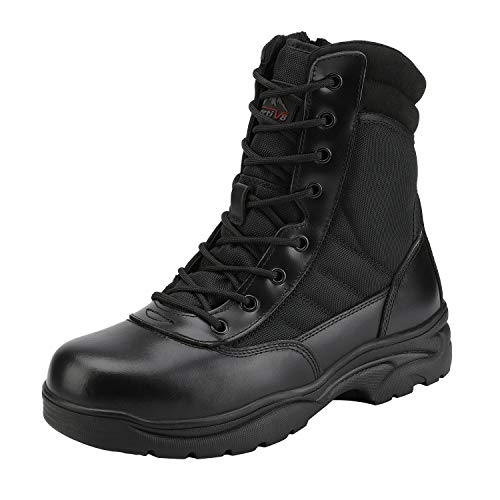
NORTIV 8 Men's Military Tactical Work Boots,Black,13W | Side Zipper Leather Motorcycle Combat Boots for Outdoor Work Hiking Tactical Use and Daily Wear With Durable Comfort Trooper
Check price on Amazon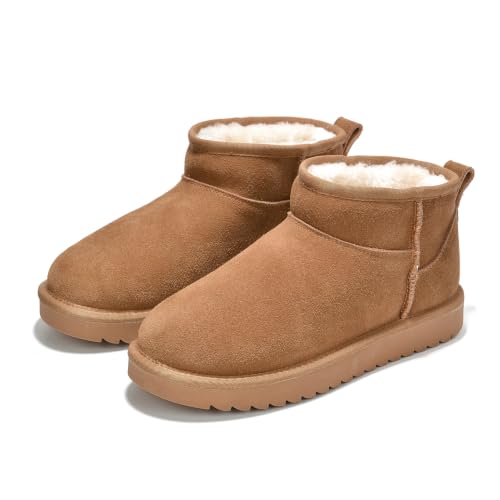
PROJECT CLOUD 100% Genuine Leather Womens Boots Ankle Boots for Women Shoes | Water Resistant Memory Foam Insole Winter Shoes - Trendy Footwear Outdoor Fall Shoes for Women - Winter Booties for Women
Check price on Amazon
Lumeheel Cowboy Boots for Men - Western Men's Boots with Classic Embroidered, Slip on Square Toe Country Boots with Chunky Heel, Durable Short Ankle Boots for Spring Fall, Brown, Size 10
Check price on Amazon
DREAM PAIRS Women's Knee High Winter Slouchy Boots,Size 8,Black | Warm Comfort Faux Fur Lining,Pull-on with Zipper,0.5-inch Low Heel,Flat Boots for Women
Check price on Amazon
AMINUGAL Black Knee High Boots Women Moto Biker Buckle Tall Boots Size 7.5
Check price on Amazon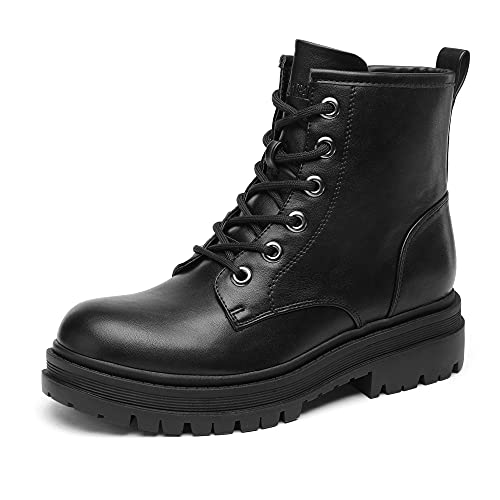
DREAM PAIRS Women's Combat Boots Lace-up Ankle Boots,Black,10 | Platform Side Zipper Lug Sole Boots, Low Chunky Heel Platform Fashion Booties Shoes, Short Booties
Check price on AmazonCaring for Your Waterproof Snow Boots
Even the best waterproof boots lose effectiveness without proper care. Dirt, salt stains, and UV exposure degrade membranes and water-repellent finishes over time. A simple maintenance routine keeps your investment performing season after season.
Clean After Every Use
Rinse off road salt and mud with cool water. Salt is especially damaging — it dries leather, corrodes zippers, and attracts moisture. A soft brush removes stubborn debris without harming materials.
Re-Waterproof Regularly
Apply spray-on or rub-on waterproofing products as directed. DWR finishes wear off after 20-30 hours of use. Re-treating every few weeks in heavy winter conditions maintains peak performance.
Dry Properly
Never dry boots near direct heat sources like radiators or fireplaces — this cracks leather and damages adhesives. Stuff with newspaper or use a boot dryer at room temperature. Avoid direct sunlight for extended periods.
Condition Leather
Leather snow boots need periodic conditioning to prevent cracking and maintain flexibility. A quality leather shoe conditioner replenishes natural oils and keeps the upper supple and water-resistant.
Frequently Asked Questions
A truly waterproof snow boot features a sealed membrane (like Gore-Tex or similar), taped seams, and water-repellent upper materials. The construction must prevent water from penetrating through any part of the boot, including the tongue and zippers. Without all these elements working together, moisture finds a way in.
For active winter use, 200–400g of insulation is sufficient. For extreme cold or sedentary activities, choose 600–800g or more. Consider that too much insulation can cause sweating, which leads to cold feet when moisture builds up. Your activity level and climate are the key factors.
Yes, quality waterproof snow boots typically range from $150 to $350. The investment pays off through better waterproofing, superior insulation, durable construction, and improved traction. Cheap alternatives often fail in wet conditions and need frequent replacement. If budget is a concern, look for cheap snow boots that still offer essential features.
Snow boots should fit snugly but allow room for thick socks. You need about a thumb's width of space at the toe box for wiggle room and to prevent toe contact when walking downhill. The heel should be locked in place without slipping. Always try boots with the socks you'll wear most often.
Some waterproof snow boots work well for light winter hiking, but dedicated winter hiking boots offer better ankle support, stiffer soles, and crampon compatibility. For serious winter trails, explore women's hiking boots or men's winter-specific hiking footwear designed for technical terrain.
Ready to Conquer Winter with Confidence?
You now have the knowledge to choose waterproof snow boots that keep you warm, dry, and safe all season. Browse our curated selection of top-rated winter footwear and step into comfort.
❄️ Shop Top Snow Boots