
Boot Tray Guide: Protect Your Floors & Organize Your Entryway
Discover the best boot trays for mud, rain, snow, and winter boots. Learn how to choose the right tray to keep your floors clean and your footwear organized.
START EXPLORINGWhy a Boot Tray Matters: A quality boot tray is one of the most practical investments for any home. It catches mud, water, salt, and snow before they reach your floors, extends the life of your boots, and keeps your entryway tidy. Whether you need a simple drip tray or a heavy-duty mudroom organizer, this guide will help you choose the perfect one.
Recommended Boot Trays
⚠️ AFFILIATE DISCLOSURE: This website contains affiliate links. As an affiliate Associate, we earn from qualifying purchases. If you make a purchase through these links, we may receive a small commission at no additional cost to you. Read our full affiliate policy.

WATANIYA PET Boot Tray for Entryway Indoor, Heavy Duty Shoe Mat Tray 2 Packs, 16.7"x12.8" Waterproof Shoes Trays with Raised Edge, Outdoor Multi-Purpose Mats for Boots, Garden, Pets
Check price on Amazon
SUPENUIN Boot-Tray Heavy Duty Rubber Mat with Lip Waterproof Shoe Mat Tray for Entryway Indoor Outdoor Multi Use Catch All Trays Entryway Shoe Storage 16x27.5 Inches
Check price on Amazon
tchdio Durable Rubber Boot Tray and Shoe Mat for Entryway - Heavy Duty Waterproof Shoe Tray Organizer, Non Slip Boot Trays for Front Door, Entryway Muddy Shoes Storage, 16x27.5 Inches
Check price on Amazon
Ottomanson 15" x 30" Multi-Purpose Boot Tray – Waterproof Shoe & Pet Feeding Spill Tray, Litter Box & Pee Pad Holder, Painting & Planting Mat, 1.2" Raised Edge Floor Protection
Check price on Amazon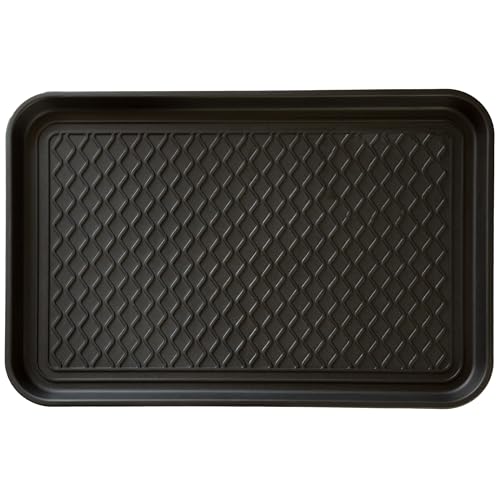
Stalwart All-Weather Outdoor or Indoor Boot Tray, Black | Weather-Resistant Hard Plastic Shoe Mat with Raised Edge for Deck, Patio, or Entryway Decor
Check price on Amazon
Ruinovate Cat & Dog Food Mat for Floors Waterproof, Anti-Slip Dog Bowl Mat | Silicone Multipurpose Matt, Under Sink Cabinet Protector for Kitchen, Bathroom, Shelf, Pet Feeding, Boot & Plant Trays
Check price on Amazon
GORILLA GRIP Boot Tray for Shoes, Natural Rubber Door Mat, 32x16 Black | Indoor Outdoor Flexible Tray with Raised Edges to Trap Water, Heavy Duty Garage Floor Mat for Front Door and Mud, Easy Clean
Check price on Amazon
Azadx Heavy Duty Boot Trays Natural Rubber Shoe Mat Tray for Entryway | Ultra Large Boot mat Tray Multi-Purpose for Outdoor Door Mats, Waterproof Durable Shoe Tray 16x42 Inch
Check price on AmazonWhat Is a Boot Tray and Why Do You Need One?
A boot tray is a shallow, rimmed container designed to hold wet, muddy, or snowy footwear. Placed near entryways, mudrooms, or garage doors, it captures water, dirt, and debris that would otherwise stain your floors or create slippery hazards. Unlike a simple mat, a boot tray features raised edges that contain liquids, making it ideal for rainy or snowy climates.
Beyond floor protection, boot trays help preserve your footwear. By allowing boots to air dry properly on a raised surface, they prevent moisture from being trapped inside, which can lead to odor, mold, and material degradation. If you own comfortable waterproof walking boots or Canadian winter boots, a tray is an essential companion.
Types of Boot Trays: Which One Fits Your Needs?
Boot trays come in several materials and designs, each suited to different environments and budgets. Understanding the differences will help you make an informed decision.
Plastic Boot Trays
Lightweight, affordable, and easy to clean. Plastic trays are the most common choice for everyday use. They handle rain and light mud well but may crack in extreme cold. Best for indoor entryways and apartments.
Rubber Boot Trays
Durable, flexible, and slip-resistant. Rubber trays grip the floor and handle heavy mud and snow without cracking. Ideal for garages, mudrooms, and outdoor use. They tend to be heavier and more expensive than plastic.
Metal Boot Trays
Stylish and sturdy, often made from galvanized steel or aluminum. Metal trays resist rust when coated and offer a premium look. Perfect for farmhouses, cabins, and high-traffic entryways. Heavier and pricier.
Silicone Boot Trays
Flexible, foldable, and easy to store. Silicone trays are great for small spaces and travel. They handle water well but may not support heavy men's logger boots without sagging.
💡 Pro Tip
For homes with heavy snow and salt exposure, choose a rubber or metal tray with deep rims (at least 1.5 inches). Shallow plastic trays overflow quickly during winter thaws.
Boot Tray Buying Guide: Key Features to Consider
Before purchasing, evaluate these critical factors to ensure your boot tray meets your household's demands.
1. Size and Capacity
Boot trays range from single-pair designs (roughly 12 x 8 inches) to multi-pair mudroom trays (up to 36 x 18 inches or larger). Measure your entryway space and count how many pairs of boots your household needs to store. A family of four with snow hiking boots and gumboots will need a larger tray than a single apartment dweller.
Typical price range: $15–$60 for standard trays; $60–$150+ for large mudroom models.
2. Rim Height and Depth
The rim is what separates a boot tray from a flat mat. A rim height of 1–2 inches is sufficient for rain and light mud. For heavy snow, slush, or washing off mud boots, look for rims of 2.5 inches or more. Deeper trays hold more liquid but are harder to clean.
3. Material Durability
Consider your climate. Plastic trays may become brittle below freezing, while rubber and metal withstand temperature swings. If you plan to use the tray outdoors or in an unheated garage, rubber or galvanized metal is the safer choice. For indoor use in mild climates, plastic is perfectly adequate.
4. Drainage and Cleaning
Some trays feature removable grates or raised ridges that keep boots elevated above standing water. This speeds drying and makes cleaning easier. Others have a simple flat bottom with a rim. If you deal with heavy mud from gardening boots for men or waterproof hunting boots, a tray with a drainage grate is worth the extra cost.
5. Aesthetics and Placement
Boot trays are visible in entryways, so style matters. Metal trays with powder-coated finishes or wooden frames blend with farmhouse and rustic decor. Neutral-colored plastic or silicone trays suit modern minimalist homes. If your entryway is small, consider a foldable silicone tray that can be stored away when not in use.
6. Non-Slip Base
A tray that slides on wet floors is a safety hazard. Look for rubber feet or textured bottoms that grip tile, wood, or concrete. This is especially important if you have elderly family members or children.
Boot Tray Material Comparison
| Material | Best For | Durability | Price Range |
|---|---|---|---|
| Plastic | Indoor entryways, light rain | Moderate | $15–$40 |
| Rubber | Mudrooms, garages, heavy snow | High | $25–$80 |
| Metal (Galvanized/Steel) | Farmhouses, cabins, rustic decor | Very High | $40–$150+ |
| Silicone | Small spaces, travel, apartments | Moderate | $20–$50 |
Boot Tray vs. Boot Mat: What's the Difference?
Many shoppers confuse boot trays with boot mats. While both protect floors, they serve different purposes:
- Boot Tray: Has raised rims to contain water and debris. Ideal for wet, muddy, or snowy boots.
- Boot Mat: Flat or slightly textured surface that absorbs moisture. Better for dry dirt and light dust.
- Best Combo: Use a boot mat for everyday shoes and a boot tray for wet or heavy-duty footwear.
If you regularly deal with rain boots or fur winter boots, a tray is the more practical choice.
Where to Place Your Boot Tray
Placement affects both functionality and aesthetics. Here are the best locations:
- Entryway: The most common spot. Place near the door on a non-slip surface.
- Mudroom: Ideal for families with children's dirt bike boots and outdoor gear.
- Garage: Great for custom work boots and heavy-duty footwear.
- Closet Floor: Keeps boots organized and protects closet flooring.
- Back Door: Convenient for gardening and yard work boots.
💡 Organization Tip
Pair your boot tray with a boot rack or wall-mounted organizer to maximize vertical space. This is especially useful in small mudrooms or apartments where floor space is limited.
How to Clean and Maintain Your Boot Tray
Regular cleaning prevents mold, odor, and material breakdown. Follow these simple steps:
- Empty standing water and debris after each use during wet seasons.
- Wash plastic and silicone trays with warm soapy water weekly.
- Scrub rubber trays with a stiff brush to remove dried mud.
- Wipe metal trays with a damp cloth and dry immediately to prevent rust.
- Disinfect monthly with a diluted vinegar solution to prevent mold.
- Allow trays to air dry completely before placing boots back on them.
Proper maintenance extends the life of your tray and keeps your entryway hygienic. For boots that need deeper cleaning, consider using a leather boot cleaner and conditioner.
How Boot Trays Complement Your Boot Care Routine
A boot tray is more than a floor protector—it's part of a complete boot care system. Here's how it fits in:
- Drying: Trays allow air circulation around wet boots, preventing moisture damage.
- Storage: Keeps boots upright and organized, reducing creases and deformation.
- Cleaning: Contains dirt and mud, making cleanup faster and easier.
- Protection: Prevents salt stains from spreading to floors and other footwear.
If you own brown leather boots or dark brown leather boots, a tray helps preserve their finish by keeping them dry and off abrasive surfaces.
Common Boot Tray Mistakes to Avoid
Buying Too Small
A tray that fits one pair is useless for a family. Measure your space and buy for your household's needs, not just one person.
Ignoring Rim Height
Shallow rims overflow quickly. For snow and heavy rain, choose a tray with at least 2 inches of rim height.
Placing on Carpet
Wet trays on carpet promote mold. Always place on hard, water-resistant surfaces like tile, vinyl, or concrete.
Skipping Cleaning
Dirty trays harbor bacteria and odor. Clean weekly during wet seasons to keep your entryway fresh.
Frequently Asked Questions About Boot Trays
What is the best material for a boot tray?
Rubber is the best all-around material for durability and weather resistance. Plastic is budget-friendly for indoor use, while metal offers premium aesthetics for rustic or farmhouse decor. Silicone is best for small spaces and travel.
How many pairs of boots should a tray hold?
A standard single-pair tray holds one pair of adult boots. For families, choose a multi-pair tray (24–36 inches wide) that holds 3–4 pairs. Measure your entryway and count your household's daily footwear.
Can I use a boot tray outdoors?
Yes, but choose rubber or galvanized metal for outdoor use. Plastic can crack in freezing temperatures, and untreated metal may rust. Outdoor trays should have drainage holes or be emptied regularly.
How do I prevent mold in my boot tray?
Empty standing water daily, clean weekly with soap and water, and disinfect monthly with diluted vinegar. Allow the tray to dry completely before placing boots back on it. Proper ventilation in your entryway also helps.
Are boot trays worth the investment?
Absolutely. A boot tray costs $15–$150 depending on material and size, but it protects floors worth thousands and extends the life of your boots. It's one of the most cost-effective home organization purchases you can make.
What's the difference between a boot tray and a shoe tray?
Boot trays typically have deeper rims and larger dimensions to accommodate taller, heavier footwear. Shoe trays are shallower and smaller, designed for everyday shoes. For wet or muddy conditions, always choose a boot tray.
Final Thoughts: Choosing the Right Boot Tray
A boot tray is a small investment with a big impact. It protects your floors, extends the life of your footwear, and brings order to your entryway. When choosing, prioritize material durability, rim height, and size based on your climate and household needs.
For most homes, a rubber tray with a non-slip base and 2-inch rims offers the best balance of performance and value. If style is a priority, a powder-coated metal tray adds rustic charm. And for small spaces, a foldable silicone tray delivers convenience without compromising function.
Pair your boot tray with proper boot care practices—regular cleaning, conditioning, and drying—to get the most out of your footwear. Whether you wear comfortable waterproof Chelsea boots, waterproof hiking boots for women, or men's wading boots, a quality tray keeps them ready for your next adventure.
Ready to organize your entryway? Browse our recommended boot trays above and take the first step toward a cleaner, more organized home. Your floors—and your boots—will thank you.