
Mud Boots: The Ultimate Guide to Waterproof & Durable Footwear
Whether you're farming, gardening, or tackling outdoor work, discover the best mud boots that keep your feet dry, comfortable, and protected in the wettest, muddiest conditions.
SEE TOP PICKSMud boots are a specialized category of footwear designed to handle the toughest, wettest, and muddiest environments. Unlike standard rain boots or gumboots, mud boots are engineered with deeper treads, higher shafts, and robust materials to provide superior traction and protection. If you've ever found yourself slipping in a soggy field or dealing with soaked feet after a day of gardening, you understand why investing in a quality pair of mud boots is essential.
In this comprehensive guide, we'll walk you through everything you need to know about mud boots. From understanding the key features that make them different from other rubber boots, to choosing the right pair for your specific needs, and even how to care for them to ensure they last for years. By the end, you'll be equipped with the knowledge to make a confident purchase decision.
What Are Mud Boots and Why Do You Need Them?
Mud boots are heavy-duty waterproof boots specifically designed for use in muddy, wet, and slippery conditions. They typically feature:
- 100% Waterproof Construction: Made from rubber, neoprene, or PVC, these boots completely seal out water and mud.
- Aggressive Outsole Tread: Deep, self-cleaning lugs provide exceptional grip on mud, clay, and loose soil.
- High Shaft: Most mud boots extend to the knee or mid-calf to prevent mud and water from entering.
- Durable Materials: Resistant to punctures, abrasions, and the degrading effects of mud and chemicals.
- Easy to Clean: Smooth surfaces allow mud to be hosed off quickly.
Whether you're a farmer working in wet fields, a gardener tending to a muddy plot, or someone who enjoys outdoor activities like hunting or fishing, mud boots are an indispensable tool. They protect your feet, keep you comfortable, and prevent slips and falls that can lead to injury.
Key Features to Look for in Mud Boots
Not all mud boots are created equal. When shopping, pay attention to these critical features:
1. Material: Rubber vs. Neoprene vs. PVC
Rubber: Natural rubber offers excellent flexibility, durability, and waterproofing. It's the gold standard for mud boots, though it can be heavier and more expensive. Neoprene: A synthetic rubber that provides insulation, making it ideal for cold, muddy conditions. Neoprene boots are often more comfortable and flexible but may be less abrasion-resistant. PVC: A lightweight, budget-friendly option. PVC boots are waterproof and easy to clean but less durable and flexible than rubber or neoprene.
2. Outsole and Traction
The outsole is arguably the most important feature of a mud boot. Look for deep, wide lugs that are spaced apart to allow mud to self-clean as you walk. A good mud boot should have a rugged tread pattern that grips in soft, wet ground. Brands often use specialized rubber compounds for enhanced slip resistance. If you need extra safety, consider boots with non-slip properties.
3. Shaft Height and Fit
Mud boots come in various heights, from ankle to knee-high. The right height depends on the depth of the mud and water you'll encounter. Knee-high boots offer maximum protection, while mid-calf boots provide a good balance of protection and mobility. Ensure the fit is snug but allows for comfortable movement. A shoe stretcher can help if you need to adjust the fit slightly.
4. Comfort and Support
Since you'll likely be wearing mud boots for extended periods, comfort is crucial. Look for boots with cushioned insoles, arch support, and a roomy toe box. Some mud boots feature removable insoles that can be replaced with orthopedic inserts for added support. If you have wide feet, search for comfortable work boots for wide feet that offer a more accommodating fit.
5. Insulation and Temperature Control
If you'll be working in cold, muddy conditions, consider insulated mud boots. Neoprene or Thinsulate linings provide warmth without sacrificing waterproofness. For warmer climates, unlined rubber boots allow for better breathability. You can also add boot liners for extra warmth.
Top Uses for Mud Boots
Mud boots are incredibly versatile. Here are some of the most common situations where they shine:
- Farming and Agriculture: Essential for working in fields, barns, and feedlots. They protect against mud, manure, and water.
- Gardening and Landscaping: Keep your feet dry and clean while tending to gardens, especially after rain. Gardening boots for men are a popular choice.
- Hunting and Fishing: Ideal for traversing marshy terrain and shallow water. Mens wading boots are a specialized type of mud boot for fishing.
- Outdoor Work and Construction: Provide protection on job sites that are muddy or wet. Some professionals prefer western-style work boots for their durability.
- Festivals and Outdoor Events: A lifesaver when attending events in fields that turn muddy after rain.
- Pet Care: Perfect for walking dogs in wet, muddy parks or rural areas.
How to Choose the Right Mud Boots for Your Needs
With so many options available, selecting the right pair can feel overwhelming. Here's a step-by-step approach:
- Identify Your Primary Use: Are you farming, gardening, hunting, or just need something for occasional muddy walks? Your use case will dictate the material, height, and features you need.
- Consider the Climate: For cold climates, insulated neoprene boots are best. For warmer climates, unlined rubber or PVC boots are more breathable. If you need winter-specific footwear, check out Canadian winter boots or fur snow boots.
- Determine the Terrain: Deep mud requires a taller boot with aggressive tread. Shallow mud can be handled by a mid-calf boot.
- Prioritize Comfort: If you'll be standing or walking for hours, invest in boots with good arch support and cushioning. Consider adding a boot insert for extra comfort.
- Set a Budget: Mud boots range from budget-friendly PVC options to premium rubber and neoprene boots. Prices typically range from $30 to $200, depending on materials and brand.
Care and Maintenance for Longevity
To get the most out of your mud boots, proper care is essential:
- Clean After Each Use: Rinse off mud and dirt with a garden hose. Avoid using harsh chemicals or detergents that can degrade rubber.
- Dry Properly: Air dry your boots in a cool, shaded area. Avoid direct heat sources like radiators or direct sunlight, which can cause cracking. Use a boot tray to catch drips.
- Condition Rubber: Periodically apply a rubber conditioner or a leather cleaner and conditioner (for leather-trimmed boots) to prevent drying and cracking.
- Store Correctly: Store your boots upright in a cool, dry place. Avoid compressing them, which can cause creases and cracks.
- Repair Promptly: Fix any punctures or tears immediately to prevent water from entering. For leather mud boots, leather care products can help maintain suppleness.
Common Mistakes to Avoid When Buying Mud Boots
- Choosing Fashion Over Function: Mud boots are tools, not fashion statements. Prioritize performance features like traction and waterproofing.
- Ignoring Fit: A boot that's too tight will be uncomfortable; too loose and you'll slip. Always try before you buy or check size charts carefully.
- Overlooking the Outsole: A cheap outsole will wear out quickly and provide poor grip. Invest in a boot with a reputable, aggressive tread.
- Skipping Insulation When Needed: If you'll be in cold mud, insulated boots are a must. Otherwise, you risk frostbite or discomfort.
- Neglecting Maintenance: Even the best mud boots will fail if not cared for properly. Regular cleaning and conditioning extend their life significantly.
Frequently Asked Questions About Mud Boots
Are mud boots the same as rain boots?
While both are waterproof, mud boots typically have a more aggressive tread and a taller shaft to handle deep mud. Rain boots are designed for general wet weather and may not offer the same level of traction in thick mud.
Can I wear mud boots for hiking?
Mud boots are generally not ideal for hiking due to their weight and lack of ankle support. For hiking in muddy conditions, consider waterproof hiking boots for women or snow hiking boots, which offer better support and traction on uneven terrain.
How do I know if my mud boots are too big?
Your heel should not slip excessively when walking. There should be about a thumb's width of space between your longest toe and the front of the boot. If they're too big, you can try thicker socks or add an insole. A shoe stretcher is used for boots that are too small, not too big.
What is the best material for mud boots?
Natural rubber is generally considered the best for durability and flexibility. Neoprene is excellent for cold conditions due to its insulation properties. PVC is a budget-friendly alternative but less durable.
How long do mud boots last?
With proper care, a high-quality pair of rubber or neoprene mud boots can last 3-5 years or more. PVC boots may last 1-2 years with regular use.
Conclusion
Investing in a quality pair of mud boots is an investment in your comfort, safety, and productivity. Whether you're working on a farm, tending a garden, or simply navigating a muddy path, the right boots will keep your feet dry, protected, and comfortable. Use this guide to evaluate your needs, consider the key features, and choose a pair that fits your lifestyle. Remember to care for your boots properly to extend their lifespan. With the right mud boots, you can tackle any muddy challenge with confidence.
Recommended Mud Boots
⚠️ AFFILIATE DISCLOSURE: This website contains affiliate links. As an affiliate Associate, we earn from qualifying purchases. If you make a purchase through these links, we may receive a small commission at no additional cost to you. Read our full affiliate policy.

Dunlop Protective Footwear, Chesapeake plain toe Black Amazon, 100% Waterproof PVC, Lightweight and Durable, 8677577.11, Size 11 US
Check price on Amazon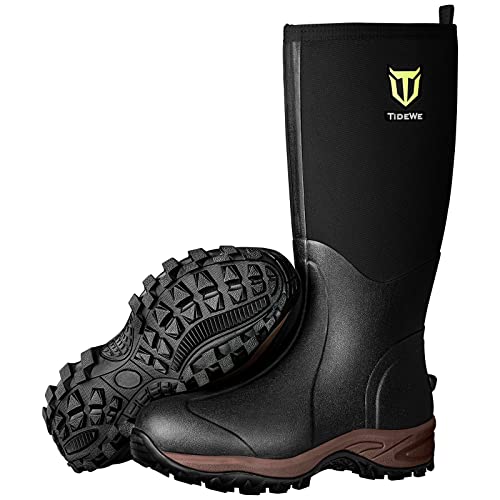
TIDEWE Rubber Work Boots for Men and Women, Rain Boots, Black,M10/W11 | 6mm Neoprene Hunting Boots for Arctic Outdoor Use, Heat-Retaining Insulation Winter Boots with Reinforced Toe
Check price on Amazon
TIDEWE Rubber Boots for Men, Rain Boots with Steel Shank, Black, 09 | Multi-Season 6mm Neoprene Hunting Boots with Sturdy Rubber, Anti-Slip Traction, Breathable Mesh and Easy-On Kick Tab
Check price on Amazon
CKWLXQY Men's Deck Boots, Waterproof Non-Slip Ankle Rain Boots for Fishing | Waterproof rubber ankle boots with non-slip traction for fishing, gardening, farming, boating and wet outdoor work.
Check price on Amazon
Showave Men's Rubber Boots Waterproof Rain Boots Mud Boot Comfy Sports Sole | Mid Calf Insulated Work Boots for Men Ultra Breathable Mud Boots Fishing Gardening Wading Boot,Size 11
Check price on Amazon
Amazon Essentials Men's Waterproof Neoprene Rubber Rain Boot, Black, 11
Check price on Amazon
MUCK Chore Classic Men's Steel Toe Boot, Black, Size 12(M)
Check price on Amazon