
Mens Wading Boots: The Complete Buying Guide for Anglers
Everything you need to know before buying wading boots for fly fishing, river wading, and cold-water angling. Compare soles, materials, and fit to make the right choice.
START THE GUIDEWhy Wading Boots Matter for Every Angler
If you spend time standing in moving water, whether you're chasing trout in a mountain stream or steelhead in a coastal river, the right pair of mens wading boots can make or break your day. Unlike regular hiking boots or mud boots, wading boots are purpose-built to handle slick riverbeds, submerged rocks, and constant moisture without falling apart.
The wrong boot leads to slipping, cold feet, and even dangerous falls in fast water. The right boot keeps you stable, dry, and focused on the fish instead of your footing. This guide breaks down everything you need to know: sole types, materials, fit, and the features that actually matter.
Quick Tip: If you already own a reliable pair of comfortable waterproof walking boots, they might handle light wet-wading in calm conditions. But for genuine river wading, invest in dedicated wading boots with proper drainage and grip.
Felt vs Rubber Soles: Which One Should You Choose?
The sole is the most debated feature in wading boot shopping. Your choice affects traction, durability, and even the legality of where you can fish.
Felt Soles
- Best for: Slick, moss-covered rocks and smooth riverbeds
- Traction: Excellent on wet, slimy surfaces
- Downside: Banned in some states and countries because felt can transport invasive species between waterways
- Durability: Wears down faster, especially if you walk on gravel or pavement
Rubber Soles
- Best for: Mixed terrain, gravel, and areas where felt is banned
- Traction: Good on dry and gravel surfaces, but can slip on slimy rocks without studs
- Downside: Less grip on algae-covered rocks unless you add metal studs
- Durability: Lasts longer than felt and is easier to clean and decontaminate
Rubber with Studs (Carbide Tips)
Many anglers consider studded rubber soles the best of both worlds. The rubber provides durability and legality, while carbide studs dig into slick rocks for traction. If you fish diverse terrain, this is often the smartest choice.
| Sole Type | Best For | Grip on Slimy Rocks | Durability | Legal in All Waters |
|---|---|---|---|---|
| Felt | Smooth, mossy riverbeds | Excellent | Moderate | No (banned in some regions) |
| Rubber | Mixed terrain, gravel | Fair | High | Yes |
| Rubber + Studs | All-around use | Excellent | High | Yes (check local rules) |
Regulation Check: Before buying felt soles, verify your local fishing regulations. Many states in the US and countries like New Zealand have banned felt to prevent the spread of invasive species.
Materials: What Makes a Great Wading Boot?
Wading boots take a beating. They're submerged for hours, exposed to abrasive rocks, and expected to drain quickly. The materials determine how well they handle this abuse.
Synthetic Leather and Mesh
Most modern wading boots use synthetic leather combined with mesh panels. This combination offers lightweight performance, quick drainage, and fast drying. Synthetic materials also resist rot and mildew better than natural leather.
Genuine Leather
Leather offers superior durability and a classic look, but it's heavier and takes longer to dry. If you choose leather, look for models treated with water-repellent finishes. Pair them with a quality leather boot cleaner and conditioner to extend their lifespan.
Rubber and Neoprene
Some budget wading boots use rubber and neoprene construction. These are fully waterproof but don't drain well. They're better suited for cold-water wading where you want maximum insulation and don't mind the weight.
Drainage Matters: Look for boots with mesh drainage ports or perforated side panels. Water that enters the boot should exit quickly to prevent that heavy, sloshing feeling with every step.
Getting the Fit Right: Sizing for Wading Boots
Wading boot sizing is different from regular footwear. You'll almost always need to size up because you'll be wearing them over neoprene waders or stockingfoot waders.
The General Rule
Most anglers size up 1 to 1.5 sizes from their normal street shoe size. If you wear a size 10 sneaker, a size 11 or 11.5 wading boot is usually the right starting point.
Why Sizing Up Matters
- Wader compatibility: Stockingfoot waders add bulk inside the boot
- Blood circulation: Tight boots restrict circulation, making your feet cold faster
- Toe room: You need space for your toes to move, especially when wading downhill
Wide Feet?
If you have wide feet, look for brands that offer wide sizing. If you already struggle with regular footwear, you might relate to the challenges of finding comfortable work boots for wide feet. The same principles apply: prioritize room in the toe box and avoid narrow lasts.
Try Before You Buy: Whenever possible, try on wading boots with the exact waders and socks you plan to wear. Fit can vary significantly between brands, so don't assume your regular size will work.
Key Features to Look For
Beyond soles and materials, several features separate a good wading boot from a great one.
Drainage System
Look for boots with dedicated drainage ports or mesh panels. Water should exit as fast as it enters. Poor drainage leads to heavy, cold feet and slower drying between trips.
Ankle Support
Riverbeds are uneven. Good ankle support prevents rolls and sprains when you're navigating rocks and shifting gravel. If you've ever dealt with an ankle injury, you understand why orthopedic boots for sprained ankles exist. Wading boots with sturdy ankle support serve a similar protective purpose.
Toe and Heel Protection
Reinforced rubber toe caps and heel counters protect your feet from rocks and extend the life of the boot. This is especially important if you wade in rocky rivers.
Lacing System
Quality laces and hardware make a difference. Look for rust-resistant eyelets and laces that stay tied when wet. Some boots feature quick-lace systems for easy on and off.
Weight
Lighter boots reduce fatigue on long wading days. However, ultralight boots often sacrifice durability. Find a balance that suits your fishing style.
How Much Should You Expect to Pay?
Wading boot prices vary based on materials, brand, and features. Here's a general breakdown:
If you're new to wading, a mid-range boot offers the best value. You get reliable performance without overpaying for features you might not need. As your skills grow and you fish more challenging waters, upgrading to a premium boot makes sense.
Caring for Your Wading Boots
Proper care extends the life of your wading boots and keeps them performing at their best.
After Every Trip
- Rinse boots with fresh water to remove dirt, sand, and potential invasive species
- Remove insoles and allow them to dry separately
- Air dry in a shaded, ventilated area — never use direct heat
Periodic Maintenance
- Clean laces or replace them if they're frayed
- Check for worn studs and replace them as needed
- Inspect seams and toe caps for damage
- Apply a leather conditioner if your boots have leather components
Invasive Species Prevention: If you fish multiple waterways, clean and dry your boots thoroughly between trips. Some anglers keep a dedicated pair of boots for each watershed to prevent cross-contamination.
Best Mens Wading Boots for Anglers
⚠️ AFFILIATE DISCLOSURE: This website contains affiliate links. As an affiliate Associate, we earn from qualifying purchases. If you make a purchase through these links, we may receive a small commission at no additional cost to you. Read our full affiliate policy.

FROGG TOGGS Men's Hellbender Fishing Wading Boot in Felt or Cleated
Check price on Amazon
Foxelli Wading Boots – Lightweight Fly Fishing Boots for Men, Rubber Sole Wading Shoes
Check price on Amazon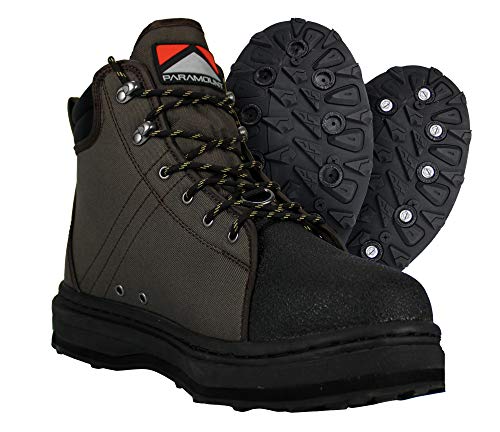
Paramount Outdoors Stonefly Cleated Sole Wading Boot, Rubber Bottom Wading Shoe (11)
Check price on Amazon
Simms Men's Freestone Boot - Rubber Gunmetal 11 | Neoprene Lined, Lightweight, Scratch Resistant
Check price on Amazon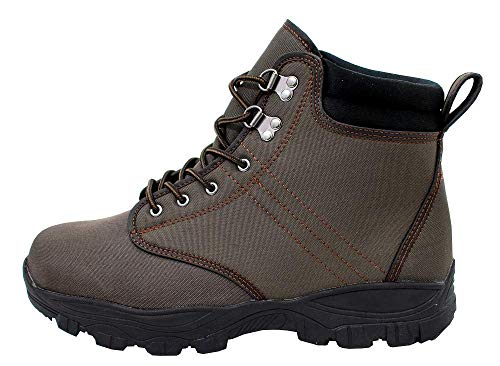
FROGG TOGGS Men's Rana Elite Waterproof Wading Boots for Fishing in Felt or Lugged Waders
Check price on Amazon
FROGG TOGGS Men's Deep Current Fishing Wading Boot in Cleated or Felt
Check price on Amazon
FROGG TOGGS Men's Aransas II Neoprene Surf & Sand Waterproof Fishing Wading Boot for Fishing, Grey, 12
Check price on Amazon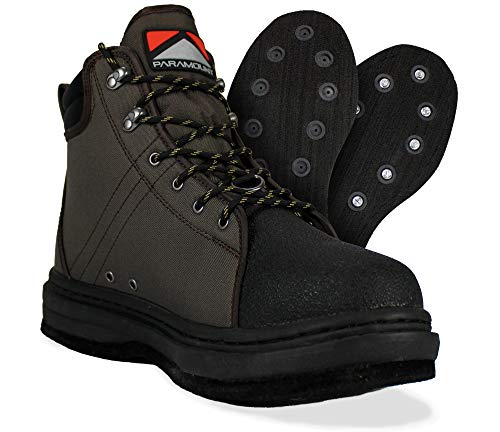
Paramount Outdoors Stonefly Felt Sole Wading Shoe, Felt Bottom Wading Boot (11)
Check price on AmazonFrequently Asked Questions
Should I choose felt or rubber soles for my wading boots?
It depends on where you fish. Felt offers superior grip on slimy, moss-covered rocks but is banned in many regions due to invasive species concerns. Rubber soles with carbide studs are a versatile, legal alternative that works well in most conditions.
What size wading boots should I buy?
Size up 1 to 1.5 sizes from your regular shoe size. This accounts for the bulk of stockingfoot waders and allows room for blood circulation, which keeps your feet warmer.
Can I use regular hiking boots for wading?
Not recommended. Regular hiking boots don't drain well, have poor grip on wet rocks, and will deteriorate quickly with constant water exposure. Dedicated wading boots are designed for submerged conditions.
How long do wading boots last?
With proper care, a quality pair of wading boots can last 3 to 5 years or more. Felt soles wear faster than rubber. Regular rinsing and proper drying significantly extend lifespan.
Are studded wading boots worth it?
Yes, if you fish on slick rocks or in fast water. Carbide studs dramatically improve traction and stability. They're removable, so you can adjust based on conditions.
Final Thoughts on Choosing Mens Wading Boots
Buying the right wading boots comes down to understanding your fishing environment, your wading style, and your budget. Prioritize traction and fit above all else. A boot that slips is dangerous, and a boot that's too tight ruins your day.
If you're just starting out, a mid-range rubber-soled boot with optional studs is a smart, versatile choice. As you gain experience, you can refine your preferences and invest in specialized footwear for different conditions.
Remember to check local regulations, clean your boots between waterways, and replace them when they show signs of significant wear. Your safety and comfort in the water depend on it.
For more footwear guidance, explore our related articles on comfortable waterproof Chelsea boots and mens ankle rubber boots for other wet-weather options.