
Canadian Winter Boots: Your Ultimate Guide to Extreme Cold Comfort
When winter hits hard, your footwear is your first line of defense. Discover how to choose insulated, waterproof, and grippy boots built for the harshest Canadian winters.
VIEW TOP PICKSWhy Canadian Winter Boots Are Different: Canadian winters demand more than just a warm lining. They require a system: sub-zero insulation, absolute waterproofing, and soles that grip ice. This guide will walk you through every feature you need to understand before you buy.
What Makes a Winter Boot "Canadian-Ready"?
A standard winter boot won't cut it when temperatures drop to -30°C (-22°F) or lower. Canadian-ready boots are engineered for survival and comfort in prolonged freezing conditions. The key lies in three critical components: insulation, waterproofing, and traction. Unlike fashion boots, these are technical pieces of equipment. For those who prefer a lighter option for milder days or city commuting, a pair of comfortable waterproof Chelsea boots can be a stylish alternative, but for deep winter, you need dedicated cold-weather gear.
❄️ Advanced Insulation
Look for boots rated for -30°C or lower. Materials like Thinsulate, felt, or shearling liners trap heat. Removable liners are a huge plus, as they allow you to dry them out overnight—a critical feature for active use.
💧 Absolute Waterproofing
Wet feet freeze fast. Canadian boots use seamless construction, waterproof leathers, or rubber shells. Look for "waterproof" not just "water-resistant." A mens wading boot shares similar waterproofing technology, but winter boots prioritize insulation over drainage.
🧊 Reliable Traction
Ice is the enemy. Soles need deep lugs and specialized rubber compounds that stay soft in freezing temperatures. For those who need extra stability on icy paths, studying non-slip boot technology is essential to prevent falls.
Key Features to Compare Before You Buy
Not all winter boots are created equal. Use this comparison table to understand the trade-offs between different styles. Whether you're looking for the best snow hiking boots for trails or a casual pair for errands, understanding these specs will save you from buying the wrong pair.
| Feature | What to Look For | Why It Matters |
|---|---|---|
| Insulation Rating | -30°C to -40°C for extreme cold; -20°C for urban use | Determines how long you can stay outside without feet getting cold. |
| Waterproofing | Seam-sealed construction, rubber bottoms, or Gore-Tex membranes | Prevents slush and snowmelt from soaking your feet, which leads to frostbite. |
| Sole Material | Rubber with deep lugs; avoid hard plastics that crack in cold | Provides grip on ice and packed snow; a hard sole becomes slippery. |
| Shaft Height | Mid-calf to knee-high | Prevents snow from entering the boot, especially during deep snowfalls. |
| Removable Liner | Felt or wool blend liners | Allows for faster drying and easy cleaning; extends the life of the boot. |
Types of Winter Boots for Different Lifestyles
Your daily routine should dictate your boot choice. A commuter in Toronto has different needs than a outdoor enthusiast in Alberta. Here are the main categories:
🏙️ Urban & Commuter
These prioritize style and lighter weight while still offering warmth. Many feature fur winter boots styling for a fashionable look. They are perfect for walking to the office or navigating city streets.
🏔️ Outdoor & Active
Built for snowshoeing, winter hiking, or working outdoors. They offer superior ankle support, aggressive traction, and often feature ski boot liner technology for maximum warmth and moisture management.
👢 Fashion & Lifestyle
For those who want warmth without sacrificing style. Brands offer waterproof leather and suede options. A pair of womens faux fur boots can be a great choice for milder winter days or social outings.
Recommended Canadian Winter Boots
⚠️ AFFILIATE DISCLOSURE: This website contains affiliate links. As an affiliate Associate, we earn from qualifying purchases. If you make a purchase through these links, we may receive a small commission at no additional cost to you. Read our full affiliate policy.
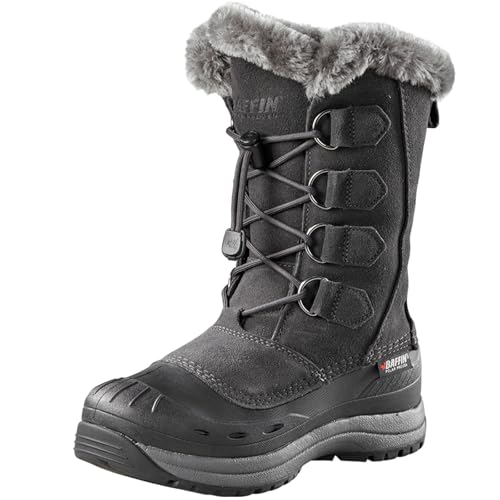
Baffin Women's CHLOE Waterproof Insulated Slip-On Winter Snow Boots | Tundra Rated, Suede Upper, Faux Fur Collar, Durable Rubber Outsole, Easy Entry, Charcoal, 7
Check price on Amazon
Columbia Womens Minx IV, Alpine Tundra/Kettle, 8 | Why We Like The Columbia Minx IV Boot
Check price on Amazon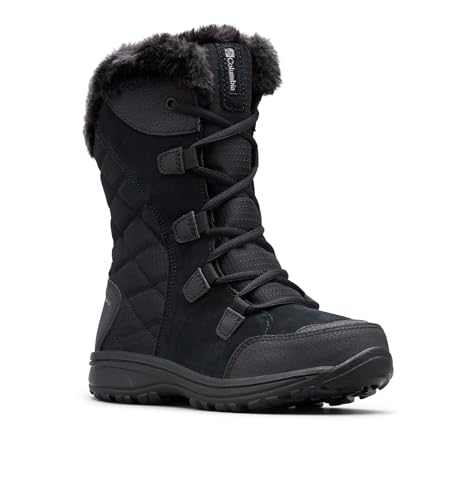
Columbia Womens Ice Maiden II, Black/Columbia Grey, 7 | Why We Like The Columbia Ice Maiden II Boot
Check price on Amazon
Columbia Women's Minx Shorty IV, Black/Titanium II, 8.5 | Why We Like The Columbia Minx Shorty IV Boot
Check price on Amazon
Comfy Moda Women's Waterproof Suede Leather Warm Tall Winter Boots BR8 | For Winter Commuting, Snow, Walking & Cold Weather, 3M & 800g Faux Fur Insulated, Comfort Insoles, Mid-Calf Boots Warsaw
Check price on Amazon
Columbia Women's Minx Shorty IV, Alpine Tundra/Kettle, 8 | Why We Like The Columbia Minx Shorty IV Boot
Check price on Amazon
HOBIBEAR Women's Waterproof Winter Snow Boots Lightweight Warm Faux Fur Lined Mid-Calf Booties(Grey/New,8
Check price on AmazonHow to Get the Perfect Fit for Winter Boots
Fit is everything when it comes to winter boots. A boot that is too tight will restrict circulation, making your feet colder. A boot that is too loose will cause blisters and allow cold air to circulate.
If you have specific foot health concerns, like needing extra arch support, look for boots with removable insoles so you can insert your own boot insert. For those who need extra room for wide feet, a comfortable work boot for wide feet might offer the width you need, though not all are rated for extreme cold.
Caring for Your Winter Boots
Salt stains and slush are the enemies of winter boots. Regular cleaning and conditioning are essential to keep the materials from cracking and to maintain waterproofing. For leather boots, use a quality leather boot cleaner and conditioner at the end of the season. Always dry your boots at room temperature, never on a radiator, and use a boot tray to catch melting snow and protect your floors.
Frequently Asked Questions
How do I know if a boot is warm enough for Canadian winters?
Check the temperature rating. Most reputable brands provide a comfort rating (e.g., -30°C). Look for boots with at least 200g of insulation for moderate cold, and 400g+ for extreme cold. Removable liners are a good sign of a serious winter boot.
Are rubber boots good for winter?
Standard rubber boots like gumboots or mud boots are not insulated and will make your feet cold quickly. However, some winter-specific rubber boots come with thick removable liners and are excellent for wet snow conditions.
Should I size up for winter boots?
Generally, yes. You need extra room for thick socks and to allow for air circulation. A half-size to a full size larger than your regular shoe size is common. However, too much room can cause blisters, so try them on with your winter socks.
How do I prevent my feet from sweating in winter boots?
Choose boots with breathable liners (like wool or Thinsulate) and moisture-wicking socks. Avoid cotton socks, which trap moisture. If your boots have removable liners, take them out to dry every night.