
Ski Boot Liners: The Complete Guide to Comfort & Performance
Everything you need to know about ski boot liners — materials, fit, heat molding, replacement, and how to choose the right liner for your skiing style.
Why Liners Matter More Than You Think: The liner is the single most important component for comfort in any ski boot. It's the layer that touches your foot, manages moisture, retains warmth, and transfers your movements to the shell. A great shell with a bad liner will ruin your day on the mountain — and a good liner can transform an average boot into a precision instrument.
📋 What You'll Learn in This Guide
What Are Ski Boot Liners?
A ski boot liner is the removable, padded inner boot that sits inside the rigid plastic shell of your ski boot. Think of it as the "sock" of your ski boot system — it's the component responsible for cushioning, warmth, moisture management, and the interface between your foot and the shell. While the shell provides structure and power transfer, the liner delivers the fit and feel that determine whether you can ski comfortably for six hours or six minutes.
Modern liners are engineered with multiple layers of foam, often combined with heat-moldable materials, breathable membranes, and anatomical shaping. The quality of a liner directly affects blood circulation, warmth retention, and how precisely your foot communicates with your skis. For skiers dealing with cold feet, pressure points, or a sloppy fit, upgrading or replacing the liner is often the single most effective fix — far cheaper than buying new boots.
If you're also considering how boot inserts and orthotics interact with your liner, our guide to boot inserts explains how footbeds layer with liners to improve alignment and reduce fatigue.
Types of Ski Boot Liners
Ski boot liners fall into three broad categories, each with distinct characteristics. Understanding these will help you decide whether to stick with your stock liner, upgrade to an aftermarket option, or invest in a fully custom solution.
| Liner Type | Best For | Typical Price | Moldability |
|---|---|---|---|
| Stock (OEM) Liner | Recreational skiers, casual use | Included with boot ($200–$600 total) | Limited or none |
| Aftermarket Heat-Moldable | Intermediate to advanced skiers wanting better fit | $150–$350 | High — custom molds to foot |
| Fully Custom (Foam Injection) | Expert skiers, difficult foot shapes, racing | $300–$600+ | Complete — injected foam |
| ZipFit / Intuition Style | Skiers wanting premium warmth and precision | $250–$450 | Yes — cork or foam composite |
Most ski boots come with a basic stock liner that does an adequate job for beginner and intermediate skiers. However, as your skill progresses or if you ski frequently, the limitations of a stock liner — packed-out foam, poor heel hold, and cold spots — become more apparent. This is where aftermarket liners shine. Brands like Intuition, ZipFit, and Sidas dominate the premium liner market, each with a slightly different philosophy on fit and molding.
💡 Insider Tip: If you're replacing a liner in a boot you love, bring both your boots and old liners to a qualified bootfitter. They can measure shell volume and recommend a liner thickness that matches your shell's internal dimensions — this prevents the common mistake of buying a liner that's too thick and causes pressure points.
Liner Materials Explained
The materials used in a ski boot liner determine its warmth, moisture handling, durability, and how well it molds to your foot. Here's what you'll encounter when shopping.
EVA Foam
Ethylene-vinyl acetate is the most common liner foam. It's lightweight, cushioning, and relatively inexpensive. Standard EVA liners pack out over time — typically after 50–80 ski days — losing their shape and cushioning. Heat-moldable EVA variants can be baked and fitted to your foot, offering a customized fit at a reasonable price.
Memory Foam & Cork Composites
Premium liners like ZipFit use a cork-composite material that molds to your foot through body heat and pressure over several ski days. These liners don't pack out the way EVA does — they actually maintain their volume for years. The trade-off is a higher upfront cost and a longer break-in period. For skiers who prioritize long-term fit and precision, cork-based liners are an excellent investment.
Intuition Foam
Intuition liners use a proprietary self-molding foam that becomes pliable when heated and then sets to your foot shape. They're known for their warmth-to-weight ratio and are popular among backcountry skiers and bootfitters. The foam is durable, but the outer fabric can wear over time, especially around the heel and ankle.
Thinsulate & Wool Blends
For warmth, many liners incorporate Thinsulate, merino wool, or synthetic insulation in the toe box and around the foot. These materials trap heat while managing moisture, though they add bulk. Liners with wool content tend to be more breathable and odor-resistant, which matters on multi-day trips.
Waterproof Membranes
High-end liners often include a waterproof-breathable membrane (similar to Gore-Tex) sandwiched between foam layers. This keeps melted snow and sweat from saturating the insulation, which is critical for keeping feet dry and warm in wet snow conditions. If you ski in the Pacific Northwest or Europe, prioritize a liner with a membrane.
When selecting a liner material, consider your climate, skiing frequency, and personal sweat levels. A wool-lined liner is great for cold, dry climates, while a membrane-equipped synthetic liner excels in wet, humid conditions.
Stock vs. Custom Liners: Which Should You Choose?
This is the most common question skiers face when their liners wear out or their feet hurt. The answer depends on your skiing level, budget, and how much discomfort you're willing to tolerate.
Stock Liners — Pros
- Included with the boot — no extra cost
- Designed for the shell's specific volume
- Lightweight and low-profile
- Adequate for beginner and casual skiers
- Replaceable with another OEM liner if needed
Stock Liners — Cons
- Pack out quickly (50–80 ski days)
- Limited moldability and customization
- Often thinner, colder, and less durable
- Poor heel hold for narrow feet
- Rarely include waterproof membranes
Custom / Aftermarket Liners — Pros
- Molds precisely to your foot anatomy
- Lasts 200+ ski days with proper care
- Superior warmth and moisture management
- Excellent heel hold and power transfer
- Can fix pressure points and circulation issues
Custom / Aftermarket Liners — Cons
- Significant upfront cost ($150–$600)
- Requires professional fitting for best results
- Adds volume — may not fit tight shells
- Break-in period of several ski days
- Overkill for occasional recreational skiers
For skiers who hit the slopes more than 10–15 days per season, an aftermarket heat-moldable liner is almost always worth it. The improvement in warmth, comfort, and control is transformative. For skiers who ski a handful of times per year on rental or entry-level boots, a stock liner is perfectly adequate — just make sure it fits properly.
If you also struggle with foot pain unrelated to skiing, our article on orthopedic boots for sprained ankles covers how supportive footwear can aid recovery and prevent re-injury.
Heat Molding: How It Works
Heat molding is the process of warming a liner until its foam becomes pliable, then inserting your foot (usually with a toe cap and padding) so the liner cools and sets around your unique foot shape. It's the key advantage of aftermarket liners and the reason they fit so much better than stock options.
There are two main approaches: home molding (using a home oven or rice sock) and professional molding (done by a bootfitter with a convection oven and proper alignment tools). Professional molding is strongly recommended for expensive liners — a botched home mold can ruin the liner.
- Preparation: The bootfitter removes the liner from the shell and checks the shell for any irregularities that could cause pressure points.
- Heating: The liner is heated in a convection oven to a precise temperature (typically 200–250°F / 93–121°C) for 8–15 minutes, depending on the liner brand.
- Foot Preparation: Your foot is placed in a toe cap (to create room for toe movement) and any necessary padding or shims are applied to address bunions, instep pressure, or ankle bony prominences.
- Insertion: You step into the heated liner and shell while the fitter aligns your foot in a neutral, athletic stance.
- Cooling: You stand still (or flex gently) for 10–15 minutes while the liner cools and sets. Some fitters use a vacuum bag or compression wrap to accelerate and improve the mold.
- Finishing: The fitter checks for pressure points, adjusts the buckles, and may add custom footbeds or heel lifts before you ski in them.
⚠️ Important: After heat molding, most liners require 2–5 ski days to fully settle into their final shape. Don't panic if they feel slightly tight or different on the first day — this is normal. Avoid aggressive skiing on the first day to let the foam conform gradually.
When to Replace Your Ski Boot Liners
Liners don't last forever. Even the best ones degrade over time, and a worn-out liner can cause discomfort, cold feet, and even injury from poor support. Here are the signs it's time for a replacement.
| Sign | What It Means | Action |
|---|---|---|
| Packed-out foam | Liner has lost volume and cushioning; boot feels loose | Replace — foam won't recover |
| Heel lift | Your heel moves up and down when skiing, reducing control | Try a heel wedge first; if it persists, replace liner |
| Torn seams or fabric | Structural damage allows foam to shift and degrade | Replace — repairs rarely hold |
| Persistent cold feet | Insulation is crushed or moisture barrier has failed | Replace with a warmer, membrane-equipped liner |
| Pressure points | Foam has compressed unevenly, creating hot spots | Professional assessment; often replace |
| Odor or mold | Moisture trapped in foam has bred bacteria or mildew | Replace — cleaning won't fully fix it |
As a general rule, stock liners last about 50–80 ski days. Aftermarket heat-moldable liners last 150–250 ski days. High-end cork or foam-injection liners can last 300+ days with proper care. If you ski 20 days per season, that's roughly 2–4 seasons for a stock liner and 7–15 seasons for a premium liner.
If you're also replacing other footwear, our guide to comfortable waterproof walking boots covers what to look for in everyday supportive footwear.
How to Choose the Right Liner
Choosing a liner isn't just about brand or price — it's about matching the liner's volume, stiffness, and features to your foot shape and skiing style. Here's a practical framework.
1. Match Liner Volume to Shell Volume
Liner thickness must match the internal volume of your shell. A low-volume shell (common in race and performance boots) needs a thin liner. A high-volume shell (common in comfort and rental boots) needs a thicker, more cushioned liner. Putting a thick liner in a low-volume shell causes pressure points and numbness; a thin liner in a high-volume shell leads to heel lift and poor control.
2. Consider Your Foot Shape
If you have a narrow foot or low instep, look for liners with anatomical shaping and strong heel hold. If you have a wide forefoot or high instep, prioritize liners with stretch zones or a more generous fit. Custom foam-injection liners are the best option for difficult foot shapes — they accommodate bunions, heel spurs, and high arches better than any off-the-shelf option.
3. Match Stiffness to Skiing Style
Racing and aggressive carving demand a stiff liner that transfers energy precisely. Freeride and touring skiers benefit from a slightly softer, more flexible liner that allows ankle articulation. Recreational skiers should prioritize comfort and warmth over stiffness.
4. Factor in Climate and Sweat
Cold, dry climates call for maximum insulation (wool, Thinsulate). Wet, humid climates demand a waterproof-breathable membrane. If you sweat heavily, look for liners with moisture-wicking linings and ventilation channels.
5. Budget for Professional Fitting
A $300 liner fitted poorly is worse than a $150 liner fitted well. Always budget for a professional bootfitter to mold and adjust your liners. Many shops include fitting in the purchase price; if not, expect to pay $50–$100 for a proper heat mold and alignment.
For skiers who also hike or walk in their boots, our guide to comfortable waterproof walking boots covers crossover footwear that handles both activities.
Liner Care & Maintenance
A well-cared-for liner lasts significantly longer and performs better. Here's how to keep yours in top condition.
- Dry after every use: Remove liners from shells after skiing and let them air-dry at room temperature. Never leave them in a cold car or a hot drying room — extreme temperatures degrade foam and glue.
- Use boot dryers wisely: A gentle boot dryer on low heat is fine, but avoid high-heat dryers that can melt adhesives and warp foam.
- Clean regularly: Hand-wash liners with mild soap and cool water every 15–20 ski days. Rinse thoroughly and air-dry away from direct heat.
- Deodorize naturally: Sprinkle baking soda inside liners between uses, or use cedar boot trees to absorb moisture and odor.
- Rotate liners: If you ski frequently, consider having two sets of liners — one in use while the other dries. This doubles their lifespan.
- Store properly: In the off-season, clean and dry liners thoroughly, then store them loosely in a cool, dry place. Don't compress them — foam needs to retain its shape.
- Avoid direct heat: Never put liners in a washing machine, dryer, or near a radiator. Heat destroys foam structure.
For more on keeping all your footwear in shape, our guides to leather boot cleaner and conditioner and shoe stretchers cover techniques that apply to many boot types.
Frequently Asked Questions About Ski Boot Liners
Stock liners typically last 50–80 ski days before packing out. Aftermarket heat-moldable liners last 150–250 days. Cork-based or foam-injection custom liners can last 300+ days with proper care. Replace when you notice significant heel lift, pressure points, or the foam feels compressed and thin.
Most aftermarket liners fit most shells, but volume matching is critical. A low-volume liner in a high-volume shell causes heel lift; a thick liner in a low-volume shell causes pressure points. Always consult a bootfitter who can measure your shell's internal volume and recommend a compatible liner.
Stock OEM liners cost $60–$150 when purchased separately. Aftermarket heat-moldable liners range from $150–$350. Premium cork or foam-injection custom liners cost $300–$600+. Professional fitting adds $50–$100 if not included in the purchase price.
For skiers who ski more than 10–15 days per season and value comfort and performance, absolutely yes. Heat-moldable liners conform to your foot's unique shape, eliminating pressure points and improving heel hold. The improvement in warmth and control is often dramatic compared to stock liners.
It's possible with some liners, but risky. Home ovens have uneven heat and inaccurate thermostats that can melt foam or degrade adhesives. Professional bootfitters use convection ovens and proper alignment tools. For expensive liners, always use a professional — the cost of a botched home mold is a ruined liner.
Yes, significantly. The liner is your primary insulation layer. Liners with wool, Thinsulate, or reflective layers retain more heat. Liners with waterproof-breathable membranes keep moisture out, which is critical — wet insulation loses most of its warming ability. A quality liner can mean the difference between warm feet and numb toes.
Intuition liners use a self-molding foam that is heated and then sets to your foot shape — they're lightweight, warm, and popular for touring. ZipFit liners use a cork-composite material that molds gradually through body heat and skiing pressure — they don't pack out and maintain their fit for years. ZipFit liners are heavier but offer unmatched long-term precision.
You can, but you shouldn't. A torn liner allows foam to shift, creates pressure points, and reduces warmth and support. In the short term, you can patch small tears with duct tape or repair tape, but this is a temporary fix. Plan to replace the liner as soon as possible to avoid discomfort and potential injury.
Recommended Ski Boot Liners
⚠️ AFFILIATE DISCLOSURE: This website contains affiliate links. As an affiliate Associate, we earn from qualifying purchases. If you make a purchase through these links, we may receive a small commission at no additional cost to you. Read our full affiliate policy.

Remind Insoles The Solution | Snowboard Boot Liner Replacement | Remedy Impact Insole Included | High Performance - Snowboarding | Lightweight Comfort | Black & Red | Mens Size 9-9.5
Check price on Amazon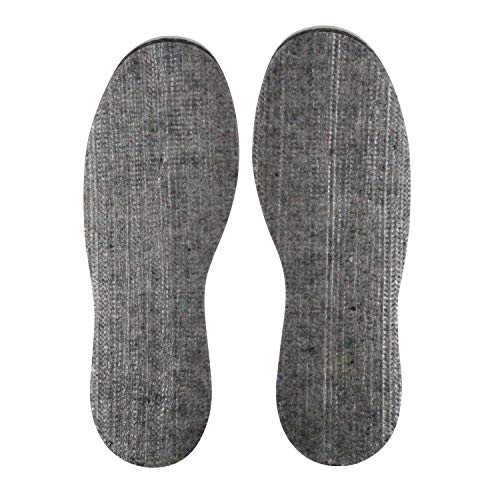
Yaktrax Thermal Cold Weather Insoles for Men and Women, 1 Pair
Check price on Amazon
CURREX EdgePro Thermo Regulating Ski Boot Insoles for Snowboarding, Skiing, & Winter Sports – Ski Boot Inserts with Shock Absorbing Cushioning – for Men & Women – Medium Arch, Large
Check price on Amazon
DryGuy Bootglove, Medium
Check price on Amazon
20 Pcs Ski Ankle Donut Boot Pads, Self-Adhesive EVA Snowboard Shin Pad Ski Boot Fitting Foam Pads Snowboard Liner Padding Ankle Protector Cushion to Reduce Heel Lift & Blisters
Check price on Amazon
Ramede 2 Pairs Waterproof Boot Liners Aluminum Film for Winter, Men's 10 | 11.4" x 4.5" x 10", Warm Boot Socks, Aluminum Film, Waterproof Boots Liners for Outdoor Winter Duck Hunting
Check price on Amazon
30 Pack Ski Snowboard Boots Fitting Pads, Self-Adhesive Foam Padding
Check price on Amazon
Skicuff 32 Pcs Ski & Snowboard Boots Fitting Pads, 24 J Bars 8 Ankle Wraps | Self Adhesive J Bars, Reduces Heel Lift and Ankle Blisters, Custom Foam Padding, Improves Boot Comfort and Stability
Check price on AmazonFinal Thoughts: Ski boot liners are the unsung heroes of on-mountain comfort. Whether you're replacing a packed-out stock liner or upgrading to a custom-molded option, investing in quality liners will transform your skiing experience. Prioritize fit over brand, work with a qualified bootfitter, and care for your liners properly — your feet will thank you on every run. For more footwear guidance, explore our articles on comfortable work boots for wide feet and men's wading boots.