
Snow Hiking Boots: The Complete Guide to Winter Trail Footwear
Everything you need to know about choosing the perfect snow hiking boots — from insulation and waterproofing to traction and comfort on frozen trails.
Explore Top PicksWhy Snow Hiking Boots Matter: Regular hiking boots simply aren't designed for winter conditions. Snow hiking boots combine specialized insulation, waterproof membranes, and aggressive traction to keep your feet warm, dry, and stable on icy, snowy terrain. The right pair can mean the difference between an unforgettable winter adventure and a miserable, dangerous experience.
Why You Need Specialized Snow Hiking Boots
Winter hiking presents unique challenges that standard footwear cannot handle. When temperatures drop below freezing, your feet become vulnerable to frostbite and hypothermia. Snow and ice demand superior traction, while slush and wet conditions require absolute waterproofing. A dedicated pair of snow hiking boots addresses all these concerns in one package.
Unlike casual waterproof snowboots designed for shoveling the driveway or walking around town, snow hiking boots are engineered for active movement on uneven, unpredictable terrain. They offer better ankle support, more aggressive outsoles, and breathable insulation that manages moisture during physical exertion. If you're serious about winter trail adventures, investing in proper footwear is non-negotiable.
Key Features to Look For in Snow Hiking Boots
Insulation
Thinsulate, PrimaLoft, or fleece linings trap body heat. Look for 200g–400g insulation for moderate winter hiking, and 600g+ for extreme cold.
Waterproofing
Gore-Tex or similar membranes prevent snow melt and slush from penetrating. Fully sealed seams and gusseted tongues are essential.
Traction
Aggressive lug patterns with deep treads and rubber compounds that stay soft in freezing temperatures. Some models accept crampons.
Ankle Support
Mid to high-cut designs stabilize your ankle on uneven snow-covered rocks and roots. Essential for preventing sprains.
Weight
Lighter boots reduce fatigue on long hikes. Modern materials allow warmth and protection without excessive bulk.
Breathability
Moisture management is critical. Breathable membranes let sweat vapor escape while keeping external moisture out.
Snow Hiking Boots vs. Regular Winter Boots
| Feature | Snow Hiking Boots | Regular Winter Boots |
|---|---|---|
| Intended Use | Active winter trail hiking | Casual wear, commuting, shoveling |
| Traction | Aggressive, multi-directional lugs | Moderate tread for pavement and light snow |
| Ankle Support | High-cut with rigid support | Low to mid-cut, flexible |
| Insulation | 200g–600g+ for active warmth | Variable, often bulkier but less breathable |
| Waterproofing | Gore-Tex or equivalent, sealed seams | Rubber bottoms or basic water resistance |
| Weight | Optimized for mobility (2–4 lbs per pair) | Often heavier and clunkier |
| Price Range | $120–$350 | $50–$180 |
Pros and Cons of Snow Hiking Boots
✅ Advantages
- Superior warmth in freezing temperatures
- Excellent waterproof protection
- Aggressive traction on ice and snow
- Better ankle support on uneven terrain
- Breathable materials manage sweat
- Durable construction for years of use
- Some models accept crampons for technical terrain
❌ Disadvantages
- Higher price point than regular boots
- Bulkier and heavier than summer hiking boots
- Overheating possible during high-output activity
- Requires proper break-in period
- Limited use in non-winter conditions
- Insulation degrades over time
How to Choose the Right Snow Hiking Boots
Selecting the perfect pair depends on several personal and environmental factors. First, consider your activity level. Casual winter walks require less insulation and support than multi-day backcountry expeditions. For moderate day hikes in temperatures around 20–35°F, a 200g–400g insulated boot with a mid-cut profile works well. For extreme cold below 0°F, look for 600g+ insulation and a high-cut design.
Fit is equally important. Winter boots should accommodate thicker wool socks without being too loose. Your toes need room to wiggle — tight boots restrict circulation and increase frostbite risk. Always try boots on in the afternoon when feet are slightly swollen, and wear the socks you plan to hike in. If you have wide feet, look for wide hiking shoes for men or women's wide options from brands like Keen and Merrell.
Don't overlook the outsole. Vibram and other premium rubber compounds maintain grip in freezing temperatures, while cheap rubber hardens and becomes slippery. Deep, multi-directional lugs shed snow and bite into ice. For technical terrain, choose boots with heel welts that accept strap-on crampons. And always verify the waterproof rating — "water-resistant" is not enough for hiking through slush and wet snow.
Ready to Hit the Winter Trails?
Browse our curated selection of top-rated snow hiking boots below. These picks balance warmth, traction, waterproofing, and comfort for memorable winter adventures.
See Our Top PicksFrequently Asked Questions About Snow Hiking Boots
Can I use regular hiking boots in the snow?
You can, but it's not ideal. Regular hiking boots lack insulation and often have insufficient traction for snow and ice. Waterproofing may also be inadequate for deep snow or slush. For occasional light snow on well-maintained trails, waterproof hiking boots with thick socks might suffice. But for consistent winter hiking, dedicated snow boots are safer and more comfortable.
How much insulation do I need in snow hiking boots?
It depends on your climate and activity level. For active hiking in 15–30°F, 200g–400g insulation is usually sufficient. For standing around or extreme cold below 0°F, 600g–800g is better. Remember that active hiking generates heat, so over-insulating can lead to sweaty feet and blisters. Breathability matters as much as insulation.
Are snow hiking boots good for everyday winter wear?
They can be, but they're designed for trail use. Their aggressive tread may feel clunky on pavement, and excessive insulation can make them uncomfortable indoors. For casual winter wear, consider cute snow boots for women or stylish snow boots that prioritize fashion alongside function. For work in cold conditions, look at winter shoes for work.
How do I waterproof my snow hiking boots?
Most quality snow hiking boots come with built-in waterproof membranes like Gore-Tex. To maintain water resistance, regularly clean mud and salt, then apply a waterproofing spray or wax designed for your boot's material. For leather boots, use a leather boot cleaner and conditioner to keep the leather supple and water-repellent. Reapply treatments each season or after heavy use.
What socks should I wear with snow hiking boots?
Wool or synthetic wool-blend socks are best. Merino wool regulates temperature, wicks moisture, and stays warm even when damp. Avoid cotton — it holds moisture and loses insulation when wet. Choose medium to thick cushioning for winter hiking, and make sure your boots have enough room for the extra thickness without compressing your feet.
How long do snow hiking boots last?
With proper care, a quality pair of snow hiking boots can last 5–10 years or more. Longevity depends on usage frequency, terrain, and maintenance. Inspect soles for wear, check waterproofing regularly, and store boots clean and dry. Insulation may compress over time, reducing warmth. Replace boots when treads are worn smooth, waterproofing fails consistently, or the structure becomes compromised.
Recommended Snow Hiking Boots
⚠️ AFFILIATE DISCLOSURE: This website contains affiliate links. As an affiliate Associate, we earn from qualifying purchases. If you make a purchase through these links, we may receive a small commission at no additional cost to you. Read our full affiliate policy.
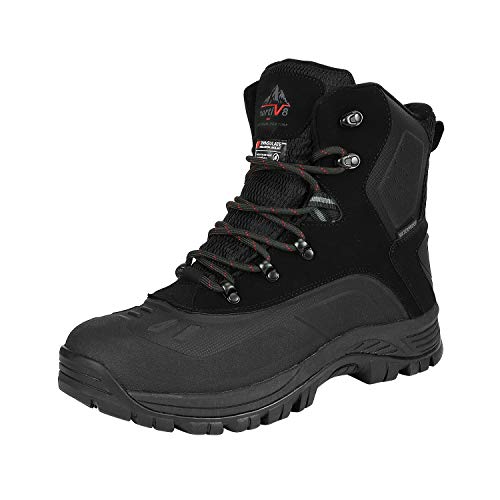
NORTIV 8 Men's Waterproof Hiking Winter Snow Boots,Black/1,11 | Insulated Construction Hunting Ski Work Boots TUNDRA
Check price on Amazon
Columbia Men's Newton Ridge II Waterproof Hiking Boot | High Traction, All Day Comfort, Fully Waterproof, Wide Fit Available
Check price on Amazon
NORTIV 8 Women's Waterproof Hiking Boots,Black,10 | Lightweight Mid-Cut Hiking Work Winter Rain Hunting Duck Boot Trail Camping Trekking Walking Comfortable Outdoor Boot
Check price on Amazon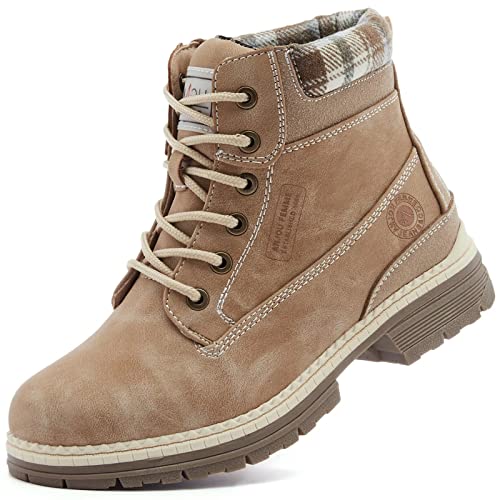
ANJOUFEMME Outdoor Hiking Boots for Women Waterproof - Womens Ankle Boots Lightweight Snow Winter Boots for Trekking Walking
Check price on Amazon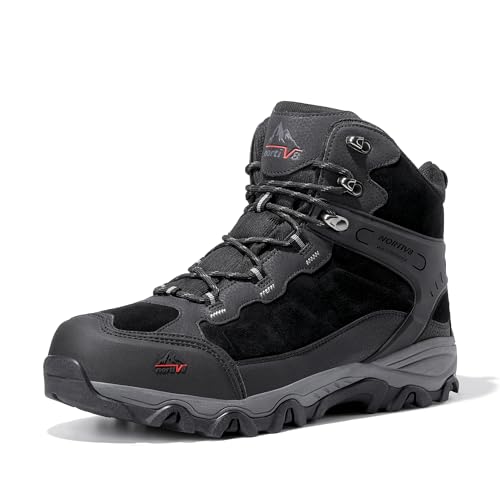
NORTIV 8 Men's Waterproof Lightweight Hiking Boots,Black,10.5 | Mid Top Suede Hiking Boots for Outdoor Trekking, Camping and Mountaineering Paladin
Check price on Amazon
Columbia Men's Newton Ridge II Waterproof Hiking Boot | High Traction, All Day Comfort, Fully Waterproof, Wide Fit Available
Check price on Amazon
NORTIV 8 Men's Waterproof Winter Snow Boots Insulated,Black,11 | Fur Liner Lightweight Outdoor Tall Boots QUEBEC-M
Check price on AmazonFinal Thoughts on Snow Hiking Boots
Investing in a quality pair of snow hiking boots transforms winter from a season of staying indoors into an opportunity for unforgettable outdoor adventures. The right boots keep your feet warm, dry, and stable, allowing you to focus on the beauty of snow-covered landscapes rather than discomfort and safety concerns.
Prioritize insulation, waterproofing, traction, and fit when making your choice. Read reviews, try boots on with proper socks, and don't rush the decision. A great pair of snow hiking boots is an investment that pays dividends in comfort, safety, and enjoyment for years to come. Whether you're tackling a local trail after a fresh snowfall or planning a multi-day winter expedition, the right footwear is your foundation.
Remember to care for your boots properly — clean them after each hike, reapply waterproofing as needed, and store them correctly. With proper maintenance, your snow hiking boots will be a reliable companion for countless winter adventures. Now get out there and enjoy the serenity of the snowy trails!