
Winter Shoes for Work Women: Stay Warm, Safe & Confident
Discover how to choose the best winter work shoes for women. From insulated composite toe boots to waterproof slip-resistant styles, we break down everything you need for cold-weather shifts.
SHOP TOP PICKSWhy this guide matters: Working through winter is tough enough without cold, wet feet. Women's winter work footwear must balance thermal insulation, waterproof protection, slip resistance, and all-day comfort — often in styles that simply weren't designed with women's feet in mind. This guide cuts through the marketing and helps you choose a pair that actually performs.
Why Winter Work Shoes for Women Need Special Attention
Standard work boots are built for general conditions, but winter adds ice, snow, salt, slush, and sub-zero temperatures into the mix. For women, the challenge is compounded: many safety boots are built on men's lasts, which means a poor fit that leads to blisters, fatigue, and reduced stability on slippery ground. The right winter shoes for work women are engineered with narrower heel widths, higher insteps, and lighter materials without sacrificing protection.
Whether you work outdoors in construction, logistics, agriculture, or simply commute through harsh weather to an office, your footwear directly affects your safety and productivity. Cold feet reduce concentration. Wet feet lead to frostbite risk. Poor traction causes falls — one of the most common workplace injuries in winter. Investing in purpose-built winter work footwear is not a luxury; it's a safety decision.
If you're comparing broader options, our guide to winter shoes women covers casual and everyday styles, while this page focuses specifically on workplace-ready performance.
Key Features to Look For in Women's Winter Work Shoes
❄️ Thermal Insulation
Insulation is rated in grams. For winter work, look for 200g to 600g Thinsulate or equivalent. Higher grams mean warmer feet but can cause sweating during active work.
- 200g – Mild winter, active work
- 400g – Standard cold weather, mixed activity
- 600g+ – Extreme cold, stationary work
💧 Waterproofing
Look for sealed seams, waterproof membranes (like Gore-Tex or proprietary liners), and treated leather or synthetic uppers. Waterproof boots keep feet dry from snow, slush, and puddles.
- Full waterproof membrane preferred
- Sealed seams prevent leakage
- Breathable liners reduce sweat
🛡️ Slip Resistance
Ice and packed snow are treacherous. Choose outsoles with deep lugs and rubber compounds rated for cold flexibility. Look for ASTM F2913 or SATRA slip ratings.
- Deep, multi-directional lugs
- Soft rubber that grips in cold
- Oil and slip-resistant ratings
🦺 Toe Protection
If your workplace requires safety toes, choose composite or alloy toes over steel. Composite toes don't conduct cold, making them far more comfortable in freezing temperatures.
- Composite toe: warm, light, non-metallic
- Alloy toe: thinner profile, moderate warmth
- Steel toe: cold transfer, avoid in winter
👣 Fit & Support
Women's feet need women's lasts. Look for brands offering true women's sizing with proper arch support, cushioned insoles, and room in the toe box for thicker socks.
- Women-specific last and width
- Removable, cushioned insole
- Wide toe box options available
⚖️ Weight & Flexibility
Heavy boots cause fatigue. Modern materials like composite toes, EVA midsoles, and synthetic uppers reduce weight while maintaining durability and protection.
- Under 2 lbs per boot ideal
- Flexible sole for natural stride
- Lightweight without sacrificing safety
Best Winter Work Shoes for Women — Top Picks
⚠️ AFFILIATE DISCLOSURE: This website contains affiliate links. As an affiliate Associate, we earn from qualifying purchases. If you make a purchase through these links, we may receive a small commission at no additional cost to you. Read our full affiliate policy.
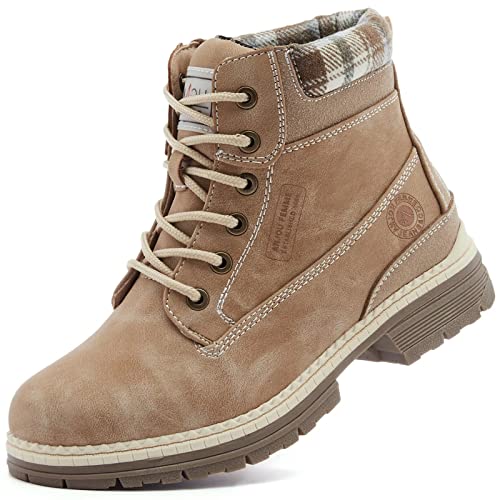
ANJOUFEMME Outdoor Hiking Boots for Women Waterproof - Womens Ankle Boots Lightweight Snow Winter Boots for Trekking Walking
Check price on Amazon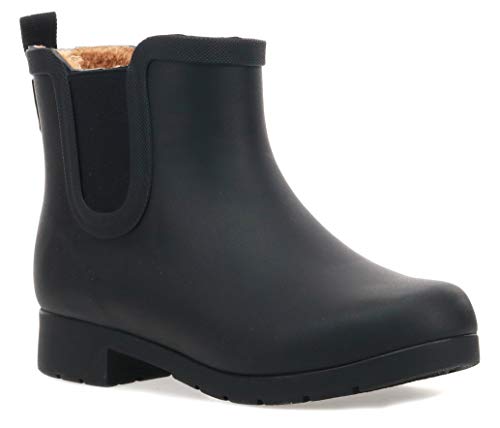
Chooka Women's Waterproof Plush Chelsea Bootie Chelsea Boot, Delridge Black, 7 M
Check price on Amazon
TEMOFON Snow Boots for Women Winter: Waterproof Slip On Fur Warm Snow Boots - Comfortable Walking Ankle Winter Outdoor Shoes Black Size 8
Check price on Amazon
Athlefit Women's Slip on Chelsea Ankle Boots Nude Size 8 | Fall Short Booties Shoes with 2.3-Inch Low Chunky Heel, Round Toe, Lug Outsole, for Daily Wear, Office Work, Casual Outing
Check price on Amazon
HOBIBEAR Women's Waterproof Winter Snow Boots Lightweight Warm Faux Fur Lined Mid-Calf Booties(Grey/New,8
Check price on Amazon
Skechers Women's Easy Going-Modern Hour Slip-In Ankle Boot, Chocolate, 8
Check price on Amazon
todaysunny Womens Combat Winter Boots Fur Lined Snow Boots Lace Up Side Zip
Check price on Amazon
Athlefit Women's Platform Wedge Chelsea Ankle Boots Black Size 8 | Slip On Fall Winter Short Booties, Round Toe, 2 Inch Wedge Low Heel, Non-Slip Lug Sole, Ideal For Shopping, Office, Walking
Check price on AmazonTypes of Winter Work Footwear for Women
Not all winter work shoes are the same. The right choice depends on your job, environment, and how much time you spend outdoors. Here are the main categories to consider:
| Type | Best For | Key Features | Typical Price |
|---|---|---|---|
| Insulated Work Boots | Construction, outdoor labor, cold warehouses | 200g–600g insulation, composite toe, waterproof | $120–$280 |
| Waterproof Hiking-Style Work Shoes | Active jobs, commuting, light outdoor work | Waterproof membrane, grippy outsole, low profile | $90–$200 |
| Slip-On Winter Work Shoes | Quick on/off, indoor-outdoor transitions | Elastic panels, insulated, easy clean | $70–$160 |
| Tall Winter Work Boots | Deep snow, agriculture, outdoor security | Mid-calf or knee-high, aggressive tread, warm lining | $130–$300 |
| Composite Toe Winter Sneakers | Light industrial, warehouse, delivery | Athletic profile, safety toe, insulated, lightweight | $100–$220 |
If your role requires a safety toe, explore our dedicated guide to composite toe work boots for women. Composite toes are the preferred choice for winter because they don't transfer cold like steel. For those who need maximum slip protection on ice, see slip-resistant work boots.
How to Choose the Right Pair: A Step-by-Step Approach
Assess Your Work Environment
Are you indoors, outdoors, or transitioning between both? Outdoor workers need higher insulation and aggressive traction. Indoor workers may only need waterproofing and moderate warmth. Mixed environments benefit from breathable waterproof membranes and removable insulation.
Determine Safety Requirements
Check with your employer about toe protection, electrical hazard (EH) ratings, puncture resistance, and slip resistance standards. Not all workplaces require safety toes — but if yours does, composite is the winter-friendly choice. Our guide to female safety shoes covers certification basics.
Choose the Right Insulation Level
More insulation isn't always better. If you're active, 200g–400g prevents overheating. If you're stationary outdoors, 600g+ keeps you warm. Removable liners offer flexibility across seasons. For extreme cold, look at insulated winter work boots.
Prioritize Fit and Comfort
Try boots on with the socks you'll wear at work. Ensure heel lock, room in the toe box, and no pressure points. Women's-specific lasts make a significant difference. If you have wider feet, explore boots for wide feet and women's wide winter boots.
Test Traction and Waterproofing
Look for deep lugs and soft rubber compounds that stay grippy in cold. Waterproof membranes should be paired with breathable liners to prevent sweat buildup. For wet conditions, waterproof walking shoes for women offer reliable protection.
Consider Weight and Break-In
Lighter boots reduce fatigue. Modern composite materials keep weight down without sacrificing protection. Allow a break-in period, and use aftermarket insoles if you need extra arch support. Our boots break-in guide walks you through the process.
Pros & Cons of Different Winter Work Shoe Materials
✅ Leather Uppers
- Durable and abrasion-resistant
- Naturally water-resistant when treated
- Molds to foot over time
- Professional appearance
❌ Leather Uppers
- Requires regular maintenance
- Heavier than synthetics
- Can crack in extreme cold if untreated
- Higher upfront cost
✅ Synthetic Uppers
- Lightweight and flexible
- Quick-drying and easy to clean
- Lower cost
- Often more breathable
❌ Synthetic Uppers
- Less durable than full-grain leather
- Can crack in extreme cold
- Less breathable in some designs
- Lower abrasion resistance
💡 Pro Tip: For the best balance of warmth, safety, and comfort, choose a boot with a waterproof leather upper, composite toe, 400g insulation, and a slip-resistant rubber outsole. This combination handles most winter work environments effectively.
Winter Work Shoe Care & Maintenance
Even the best winter work shoes need proper care to last. Salt stains, mud, and moisture all take a toll. Here's how to keep your footwear performing:
- Clean after every use: Wipe off salt and mud with a damp cloth. Salt left on leather causes cracking and discoloration.
- Condition leather regularly: Use a leather conditioner to keep uppers supple and water-resistant.
- Re-waterproof as needed: Apply a waterproofing spray or wax every few weeks during heavy winter use.
- Dry properly: Never dry boots near direct heat. Stuff with newspaper and air-dry at room temperature.
- Replace insoles: Swap insoles every few months for freshness and continued arch support.
- Store correctly: Use boot trees or stuff with paper to maintain shape. Store in a cool, dry place.
For detailed care instructions, explore our boot care and maintenance hub. If you need extra warmth, consider toe warmers and boot dryers.
Common Mistakes to Avoid
🚫 Buying Men's Boots in Smaller Sizes
Men's boots are built on different lasts. Sizing down doesn't replicate women's fit. Always choose women-specific designs for proper heel, arch, and toe box alignment.
🚫 Prioritizing Style Over Traction
Fashion winter boots may look great but lack the slip resistance and durability needed for work. Safety comes first — style is a bonus.
🚫 Wearing Too Many Socks
Cramming thick socks into a tight boot reduces circulation, making feet colder. Choose one quality thermal sock and ensure room to wiggle toes.
🚫 Ignoring Waterproof Ratings
Water-resistant is not waterproof. If you work in snow or slush, you need a true waterproof membrane and sealed seams.
🚫 Skipping the Break-In Period
New boots need time to mold to your feet. Wear them for short periods before full workdays to avoid blisters.
🚫 Neglecting Replacement
Worn-out soles and compressed insulation lose effectiveness. Replace boots when tread is smooth or warmth fades — typically every 1–3 seasons of heavy use.
Sizing & Fit Guide for Women's Winter Work Shoes
Getting the right fit is critical for comfort and safety. Here's what to keep in mind:
- Measure at the end of the day: Feet swell during the day, so measure in the afternoon or evening.
- Wear work socks when trying on: The socks you'll wear at work affect fit significantly.
- Allow toe room: You should be able to wiggle toes freely. A thumb's width between your longest toe and the boot end is ideal.
- Check heel lock: Your heel shouldn't slip when walking. If it does, the boot is too long or the wrong shape.
- Consider width options: Many brands offer wide and extra-wide sizes. If standard width pinches, size up in width, not length. See women's wide winter boots and women's wide snow boots.
- Test on inclines: Walk on a ramp or sloped surface to check toe box pressure and heel stability.
For a complete measurement guide, visit our boots fit and measurement page.
Frequently Asked Questions
What is the best insulation for women's winter work boots?
For active work in moderate cold, 200g–400g Thinsulate is ideal. For stationary work or extreme cold, choose 600g or higher. Removable liners offer versatility. Composite toes are preferred over steel in winter because they don't conduct cold.
Are composite toe boots warmer than steel toe?
Yes. Composite toes don't transfer cold the way steel does. In freezing temperatures, steel toes can make your toes feel significantly colder. Composite toes are lighter and non-metallic, making them the better choice for winter work.
How do I know if winter work shoes are truly waterproof?
Look for a waterproof membrane (like Gore-Tex or proprietary equivalents), sealed seams, and treated uppers. "Water-resistant" is not the same as "waterproof." If you'll be in snow or slush, true waterproofing is essential.
Can I wear winter work boots indoors?
Yes, but high insulation can cause sweating indoors. If you transition between indoor and outdoor frequently, choose moderate insulation (200g–400g) and breathable waterproof membranes. Removable liners also help.
How often should I replace winter work shoes?
With heavy daily use, expect to replace them every 1–3 seasons. Signs it's time: worn-out tread, compressed insulation (feet get cold quickly), cracked uppers, or persistent leaks.
What socks should I wear with winter work boots?
Choose moisture-wicking thermal socks made from merino wool or synthetic blends. Avoid cotton, which holds moisture and makes feet cold. One quality pair is better than multiple thin pairs that bunch up.
Are there stylish winter work shoes for women?
Absolutely. Many brands now offer women's winter work footwear that combines safety features with modern styling. Look for Chelsea-style safety boots, low-profile composite toe sneakers, and streamlined waterproof hikers. See our cute women's steel toe boots and stylish winter shoes for ladies guides for inspiration.
Final Thoughts
Choosing the right winter shoes for work women is about balancing protection, warmth, traction, and comfort. Prioritize women-specific fit, composite toe protection if required, adequate insulation for your activity level, and true waterproofing. Don't overlook slip resistance — it's the single most important safety feature on ice and snow.
Invest in quality, care for your boots properly, and replace them when they wear out. Your feet — and your safety — will thank you. For more guidance, explore our related articles on women's slip-on winter boots, women's winter ankle boots, and warm winter boots for women.