
Insulated Winter Work Boots: The Ultimate Buying Guide
When the temperature drops, your feet shouldn't suffer. Discover how to choose the best insulated winter work boots for warmth, safety, and all-day comfort on the job.
SEE TOP PICKSWorking outdoors in winter isn't just uncomfortable—it can be dangerous. Cold feet lead to reduced circulation, numbness, and a higher risk of accidents. That's why insulated winter work boots are not a luxury; they are essential safety equipment. Unlike standard work boot shoes, winter-specific models are engineered to trap heat, block moisture, and maintain traction on ice and snow. This guide will walk you through everything you need to know before you buy.
Why Insulation Matters: A good pair of insulated boots keeps your feet warm even in sub-zero temperatures. But not all insulation is created equal. Understanding the difference between Thinsulate, fleece, and neoprene linings is the first step toward making a smart purchase.
Understanding Insulation Types
The type and amount of insulation determine how warm your boots will keep you. Here's a breakdown of the most common materials you'll find in insulated winter work boots:
Thinsulate
The gold standard for synthetic insulation. It's thin, lightweight, and traps heat while allowing moisture to escape. Ratings like 200g, 400g, and 600g indicate warmth—higher numbers mean warmer boots.
Fleece & Wool
Natural fibers that provide excellent breathability and warmth. Wool is particularly good at regulating temperature and wicking sweat, but it can be bulkier than synthetic options.
Neoprene
Often used in rubber boots, neoprene is waterproof and insulating. It's ideal for wet, slushy conditions but may not breathe as well as other materials.
Reflective Linings
Some high-end boots use reflective barriers that bounce body heat back to your feet. These are lightweight and effective but usually add to the cost.
Temperature Ratings: What Do They Really Mean?
Manufacturers often label boots with temperature ratings (e.g., "-20°F" or "-40°F"). These are guidelines, not guarantees. Your personal tolerance, activity level, and sock choice all play a role. Here's a general guide:
Safety Features to Look For
Insulated winter work boots must meet the same safety standards as their summer counterparts. Key features include:
Safety Toe
Steel, composite, or alloy toes protect against impact and compression. Composite toes are lighter and don't conduct cold, making them a great choice for winter.
Slip Resistance
Look for soles with deep treads and rubber compounds that stay flexible in cold temperatures. This is critical for traction on ice and snow.
Waterproofing
Waterproof membranes like Gore-Tex or proprietary linings keep moisture out while allowing sweat vapor to escape. Wet feet are cold feet.
Electrical Hazard (EH) Protection
If you work near live circuits, ensure your boots are rated for electrical hazard protection. This is common in electricians' boots.
Fit and Comfort: The Make-or-Break Factor
A poorly fitting winter boot is a recipe for blisters, cold feet, and fatigue. Here's how to get the fit right:
- Size Up: Insulation and thick socks take up space. You may need a half-size larger than your regular boots.
- Try Them On in the Afternoon: Your feet swell during the day. Trying boots in the afternoon ensures a more accurate fit.
- Wear Your Winter Socks: Always try on boots with the socks you plan to wear. A thicker sock can change the fit significantly.
- Check the Width: If you have wide feet, look for boots specifically designed for wide feet. Pinching leads to cold feet and discomfort.
- Heel Lock: Your heel should not slip when you walk. A secure heel reduces friction and prevents blisters.
Pros and Cons of Insulated Winter Work Boots
✅ Pros
- Keeps feet warm in freezing temperatures
- Waterproof options prevent wet, cold feet
- Improved traction on snow and ice
- Many models include safety toes and EH ratings
- Can reduce fatigue by keeping muscles warm
❌ Cons
- Often heavier and bulkier than standard boots
- Can be more expensive
- Less breathable, leading to sweaty feet during high activity
- May require a break-in period
- Not ideal for indoor or mild-weather wear
Care and Maintenance Tips
To get the most out of your investment, proper care is essential. Clean your boots regularly to remove salt stains and mud, which can degrade leather and insulation. Re-waterproof them periodically with a suitable product. Always dry them at room temperature—never near a direct heat source, which can crack leather and damage insulation. For more detailed instructions, see our boot maintenance hub.
Top-Rated Insulated Winter Work Boots
⚠️ AFFILIATE DISCLOSURE: This website contains affiliate links. As an affiliate Associate, we earn from qualifying purchases. If you make a purchase through these links, we may receive a small commission at no additional cost to you. Read our full affiliate policy.
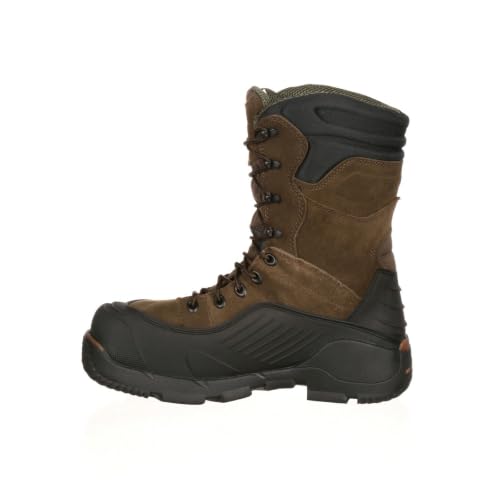
ROCKY Blizzard Stalker Steel Toe Waterproof 1200G Insulated Work Boot, Brown, Size 10(MEN)
Check price on Amazon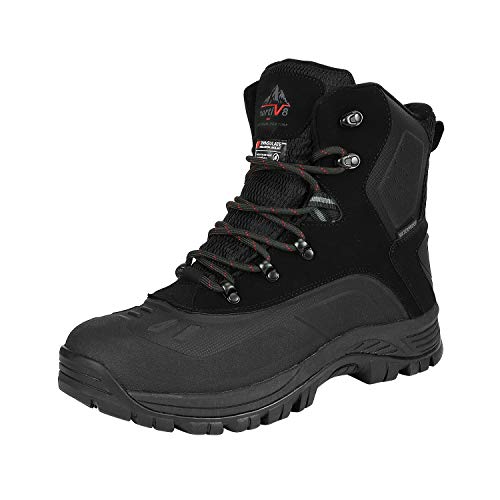
NORTIV 8 Men's Waterproof Hiking Winter Snow Boots,Black/1,12 | Insulated Construction Hunting Ski Work Boots TUNDRA
Check price on Amazon
Carhartt Men's CMC1259 10" Waterproof Insulated Comp Toe Pac Boot,Brown/Black,8 M US
Check price on Amazon
Timberland PRO Men's Siberian 8 Inch Composite Safety Toe Insulated Waterproof Puncture Resistant CSA Industrial Work Boot, Medium Brown, 10.5 Medium
Check price on Amazon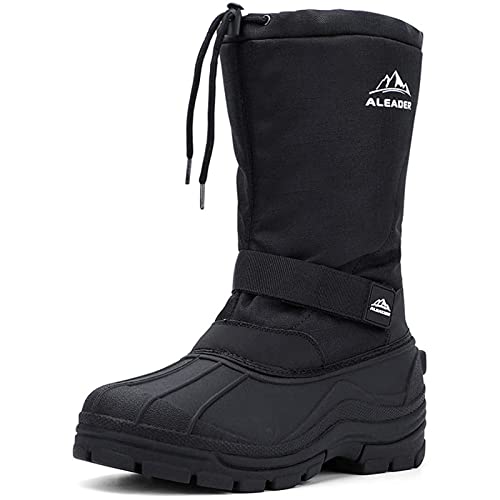
ALEADER Winter Boots for Men, Waterproof Snow Boots Hiking Shoes Black 10 D(M) US
Check price on Amazon
Muck Arctic Pro Tall Rubber Insulated Extreme Conditions Men's Hunting Boots
Check price on Amazon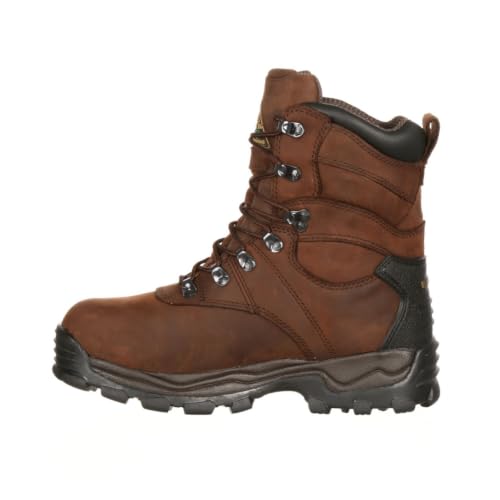
ROCKY Sport Utility 600G Insulated Waterproof Boot, Brown, Size 10(WI)
Check price on Amazon
NORTIV 8 Men's Hiking Winter Insulated Snow Boots,Dark Brown,12 | Waterproof Mens Boots Hunting Winter Work Ankle Slip Resistant Daily Boots
Check price on AmazonFinal Thoughts
Choosing the right insulated winter work boots is an investment in your comfort, safety, and productivity. Don't settle for cold, wet feet. By understanding insulation types, safety ratings, and fit, you can find a pair that keeps you warm and protected all winter long.
Whether you're in construction, landscaping, or any outdoor profession, the right boots make all the difference. Use this guide to make an informed decision and step into winter with confidence. For more detailed comparisons, check out our guide to good work boots for construction.