


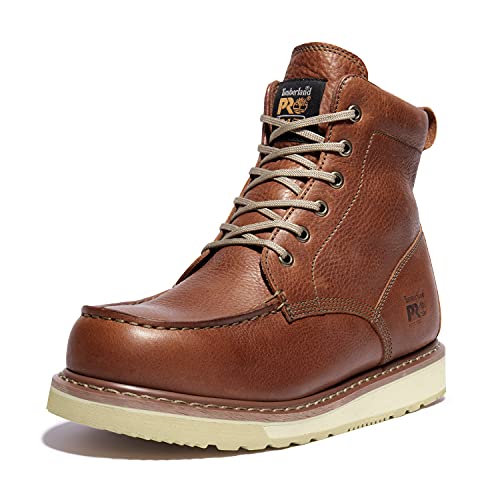
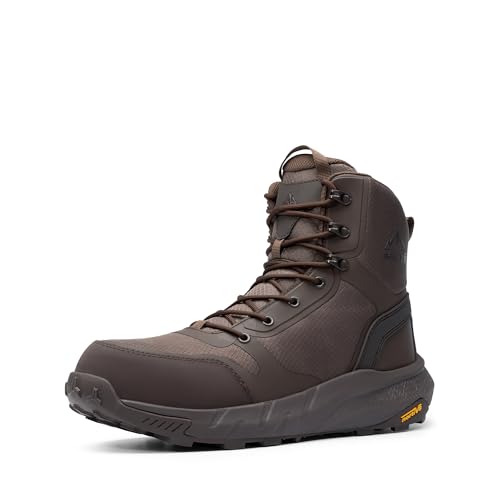

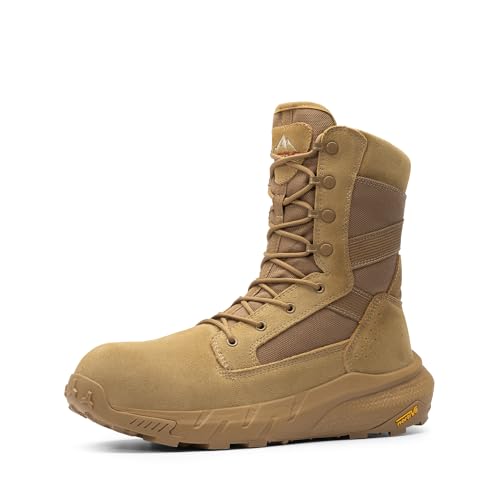
What Makes a Boot an "Electrician's Boot"?
Not all work boots with slip-resistant properties are created equal. Electrician's boots are specifically engineered to minimize the risk of electrical shock. The primary feature is a non-conductive sole, often made from rubber or polyurethane, and a lack of exposed metal in the upper. This construction prevents the wearer from becoming a path to the ground if they accidentally contact a live wire.
The key feature to look for is the **Electrical Hazard (EH) rating**. Boots with this rating have been tested to withstand a specific voltage without allowing a dangerous amount of current to pass through. It's crucial to remember that EH-rated footwear is designed as a secondary source of protection, meant to be used alongside other safety measures like insulated tools and gloves. For those in construction roles where both electrical and impact hazards exist, a boot with both EH and safety toe ratings, like these steel toe construction boots, is an excellent choice. You can also find highly specialized premium work boots that combine multiple safety features.
Key Features to Look For in Electrician's Boots
When you're shopping for work boot shoes, the specific demands of electrical work dictate which features are most important. Beyond the EH rating, consider these critical elements:
- Electrical Hazard (EH) Rated Soles: This is non-negotiable. The sole must be non-conductive and insulated from the upper to provide a barrier against electrical shock.
- Non-Metallic Toe Caps: While some electricians prefer a soft toe for flexibility, if you need impact protection, choose a composite toe instead of steel. A composite toe, found in many composite toe work boots for women and men, won't conduct electricity or transfer heat or cold.
- Slip Resistance: Working in various environments, sometimes with wet or oily floors, demands excellent traction. Look for boots with deep treads and a slip-resistant rating.
- Comfort and Support: You'll be on your feet for hours. Features like cushioned insoles, arch support, and lightweight materials are essential. Many find that a good slip-on work boot offers a great balance of convenience and comfort for quick on-and-off.
- Durability: Leather uppers are standard for their durability and abrasion resistance. A Goodyear welted boot is an excellent investment, as it can be resoled, extending the boot's life significantly.
- Waterproofing: Many electrical jobs occur outdoors or in damp environments. Waterproof materials or treatments keep your feet dry, which is also a safety consideration.
Safety Standards and Ratings Explained
The world of safety footwear is filled with acronyms. Understanding them is key to making an informed purchase. For electricians, the most important is the ASTM F2413 standard, which covers performance requirements for protective footwear. The specific ratings you'll see include:
EH (Electrical Hazard): This rating indicates that the footwear has a non-conductive sole and heel, providing a secondary layer of protection against electrical shock. These boots are a must-have for anyone in the trade. It's also worth noting that some boots designed for other heavy-duty trades, like man working boots for construction or men's safety footwear in general, may also carry an EH rating.
SD (Static Dissipative): This is different from EH. SD footwear is designed to dissipate static electricity from the body to the ground, preventing sparks. This is crucial in environments with explosive atmospheres but is generally *not* what an electrician needs, as it is designed to be conductive, not non-conductive. Always prioritize the EH rating for electrical work.
CD (Conductive): This type of footwear is designed for very specific applications to minimize static buildup, but it offers no protection against electrical shock from live circuits. It's the opposite of what an electrician needs for shock protection.
Choosing the Right Boot for Your Work Environment
An electrician's work environment can vary dramatically, from new residential construction to industrial plant maintenance. Your boot choice should reflect your daily tasks. For indoor work, a lighter, more breathable boot might be preferred. In these cases, a breathable work boot can help keep your feet comfortable. For outdoor and inclement weather, an insulated winter work boot with waterproofing is essential.
Some electricians prefer a pull-on style for convenience and safety, as there are no laces to catch on objects or conduct electricity. A good slip-on work boot can be an excellent choice. For those who prefer a more traditional lace-up, a Goodyear welted boot provides a secure fit and is repairable. Regardless of style, the fit is paramount. A proper fit prevents fatigue and blisters, ensuring you can focus on the job. For women in the field, options like female safety shoes are now available with all the necessary protective features without compromising on fit.
How to Evaluate the Price and Value
Investing in high-quality electrician's boots is investing in your safety. While you can find some budget-friendly options, the price for a reliable, EH-rated pair of boots typically ranges from $120 to $250. Premium models from top brands like Red Wing, Thorogood, or Danner can cost $250 to $400+.
When evaluating value, consider the construction. A boot with a Goodyear welt can be resoled, which means a higher upfront cost can translate to a lower cost-per-year over the boot's lifespan. Think of it as an investment in your career and well-being, not just a purchase. The cost of a single injury far outweighs the price of a top-tier pair of safety boots.